Northern Lights in Atlanta: What’s Possible, What’s Not, and How to Actually See Them
If you live in Atlanta, Georgia and type “Northern Lights Atlanta” into a search bar, you’re usually wondering one of three things:
- Can the northern lights be seen from Atlanta?
- If it happened once, will it happen again?
- If I’m in Atlanta, what’s the realistic way to see the aurora?
This guide walks you through what is and isn’t possible in Atlanta’s skies, how rare aurora sightings here really are, what to do when there’s an alert, and how to plan an aurora-focused trip if you’re starting from Atlanta.
Can You See the Northern Lights From Atlanta?
The honest answer: almost never — but not completely impossible.
The northern lights (aurora borealis) are most commonly seen in high-latitude regions near the Arctic Circle. Atlanta, by contrast, sits at about 33.7° N latitude, far south of the normal auroral “oval.”
Under typical conditions:
- You will not see the northern lights from Atlanta.
- The city’s heavy light pollution makes any faint glow nearly invisible.
- Even in darker rural pockets of north Georgia, sightings are extremely rare.
However, during unusually strong solar storms, the aurora can sometimes extend much farther south than normal. On those rare nights, people in parts of the southeastern U.S. occasionally report a faint glow, often low on the northern horizon.
In short:
- Day-to-day reality: Don’t expect to see the northern lights in Atlanta.
- Extreme-event reality: In a major geomagnetic storm, there’s a small chance of a subtle, low-on-the-horizon aurora visible from very dark areas north of the city.
Why Atlanta Is a Tough Place for Aurora Viewing
Even during strong solar events, Atlanta has two big challenges:
1. Latitude
- The farther south you are, the less often the aurora reaches your sky.
- Atlanta is far outside the typical “aurora belt,” so only exceptional storms push the lights this far down.
2. Light Pollution
Atlanta’s bright metro area washes out faint, diffuse light in the sky. To have any chance during a strong event, you’d need:
- Very dark skies (away from interstates, shopping centers, and neighborhoods)
- Clear weather
- Good visibility toward the northern horizon
For most residents staying inside the perimeter (ITP) or near dense suburbs, city light alone makes aurora spotting almost impossible.
Has Atlanta Ever Seen the Northern Lights?
Residents in Georgia sometimes share stories or photos from unusually strong solar storms when the aurora reportedly dipped south enough to be visible from parts of the state.
Common patterns from those rare nights:
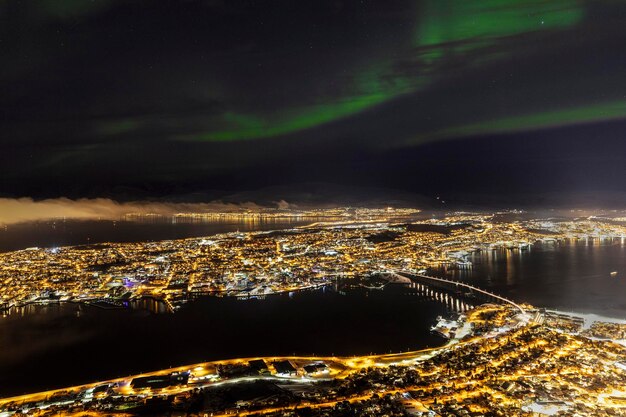
- The aurora doesn’t usually look like bright, dancing curtains you see in Arctic photos.
- It may appear more like:
- A faint red or green glow low in the north
- Slightly brighter or oddly colored bands in the upper sky
- Long-exposure photography can show far more vivid color than the human eye sees.
When these events happen, people around north Georgia, especially in rural or mountain areas, have a better chance than those in central Atlanta.
If you hear that “the northern lights might be visible in Atlanta,” it usually means:
If There’s an Aurora Alert While You’re in Atlanta
Occasionally, space weather alerts make the news, and you may hear that the northern lights could be visible “as far south as Georgia.” Here’s how to make the most of that opportunity from Atlanta.
Step 1: Manage Your Expectations
Even on strong nights:
- Atlanta’s skyline and glow will likely block your view.
- The aurora, if visible at all, will probably be faint, and closer to north Georgia’s darker skies than the downtown area.
Think of it as a fun long shot, not a guaranteed show.
Step 2: Get as Far From City Lights as You Can
Driving even 45–90 minutes can make a big difference. Look for areas:
- Well north of I-285
- Away from large towns, malls, or industrial lighting
- With open views of the northern horizon (fields, hilltops, or lakefronts)
Common directions people from Atlanta consider for darker skies:
- North Georgia mountains (generally darker, more rural)
- Less-developed areas in Pickens, Gilmer, Fannin, Union, Rabun, or similar counties
If you want a structured dark-sky experience, some Atlantans look toward larger natural areas or state parks. Always check gate hours, access rules, and safety conditions before you go.
Step 3: Basic Viewing Tips
If there’s a reasonable chance of aurora visibility:
- Time: Late evening to after midnight often offers the best chance.
- Look north: Focus on the northern portion of the sky, especially higher above the horizon.
- Avoid lights: Turn off car headlights when parked safely, avoid phone screens, and let your eyes adjust to the dark for 20–30 minutes.
- Photography:
- A camera (or phone) with a night/long-exposure mode can reveal colors you might not see with your eyes.
- A tripod or stable surface helps avoid blurry images.
Even if you don’t see the aurora, this kind of outing can still be a good stargazing night if skies are clear.
Best Places Near Atlanta for Darker Skies
Here’s a simple overview of how locations around north Georgia compare for potential aurora viewing during rare strong events. This is about sky darkness, not a promise of aurora visibility.
| Area (Starting From Atlanta) | Typical Drive Time | Sky Conditions (Relative) | Aurora Chance vs. City |
|---|---|---|---|
| Inside I-285 (downtown/midtown) | 0–20 minutes | Very bright, heavy light pollution | Extremely low |
| Suburbs (Alpharetta, Marietta) | 20–45 minutes | Bright but slightly less than downtown | Very low |
| Exurban north (Cumming, Canton) | 45–75 minutes | Some darker pockets, but mixed lighting | Slightly better |
| Rural north Georgia counties | 1.5–3 hours | Much darker skies, clearer horizon views | Best regional chance |
💡 Tip: If the news is saying the northern lights might be visible “down to Georgia,” most Atlantans who want a real shot head north toward more rural areas, not just outside the Perimeter.
What the Northern Lights Actually Look Like From This Far South
People in Atlanta sometimes imagine the camera-ready displays seen in places like Iceland or Alaska. In reality, from a southern latitude like Georgia during a strong event, the aurora:
- Is often subtle, more like a glow than distinct “curtains”
- May show up as:
- Pale greenish-white patches
- Reddish or purplish tints higher in the sky
- Slow-moving bands or faint rays
Your eyes may register only a weak whitish or grayish light, while photos show much richer colors. This is normal — cameras are more sensitive in these conditions.
Planning an Aurora Trip When You Live in Atlanta
If seeing a truly vivid northern lights display is on your bucket list, relying on a rare event over Atlanta is not practical. Many Atlanta residents instead plan dedicated aurora trips from here.
Typical strategies:
- Fly from Hartsfield–Jackson (ATL) to high-latitude destinations known for regular aurora.
- Aim for late fall through early spring in those locations, when nights are longer and darker.
- Prioritize areas with:
- Dark, rural surroundings
- Good weather patterns for clear nights
- Local tours or guides who specialize in aurora chasing
While this requires more planning and budget, it significantly increases the odds of seeing a bright, overhead aurora rather than a faint horizon glow.
Staying Informed About Aurora Possibilities From Atlanta
If you’re curious and want to be ready in case another rare event happens, you can:
- Follow space weather alerts and geomagnetic storm forecasts.
- Keep an eye on local Atlanta news outlets or weather teams; they often translate technical forecasts into practical guidance (“possible visibility as far south as…”).
- Join local astronomy or stargazing groups:
- Atlanta-area astronomy clubs sometimes share alerts when sky events are likely to be visible from north Georgia and may organize observing meetups for major celestial events.
These communities can help you quickly understand whether a forecast is serious enough to justify a late-night drive north out of the city.
Key Takeaways for “Northern Lights Atlanta”
- Routine visibility: The northern lights are not a regular or reliable phenomenon in Atlanta.
- Rare exceptions: During strong solar storms, there’s a small chance of faint aurora visible from darker, rural areas north of the city — but almost never from within Atlanta’s bright core.
- Best strategy locally:
- Watch for major alerts.
- Be prepared to drive to darker skies in north Georgia.
- Use realistic expectations and consider photography to capture faint detail.
- Best strategy overall: If you truly want to experience dramatic northern lights, consider planning a dedicated trip from Atlanta to a region where the aurora is common.
For most Atlantans, “northern lights in Atlanta” is less about catching a guaranteed show over the skyline and more about being ready for a rare, memorable surprise — and knowing when it’s worth heading north into darker Georgia skies.