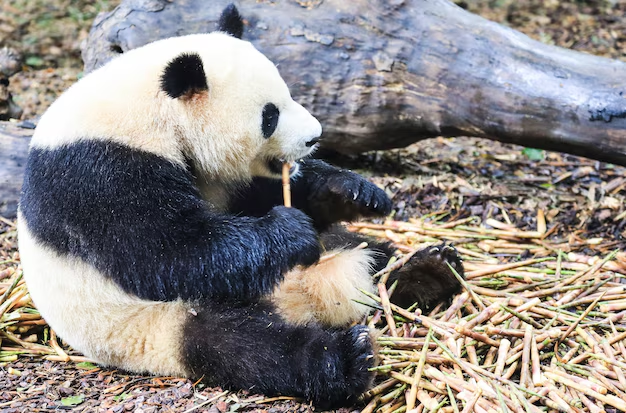
Panda Birth at Zoo Atlanta: What Atlanta Visitors and Locals Should Know 🐼
Few Atlanta stories capture as much excitement as a panda birth at Zoo Atlanta. Whether you live in the city, are planning a visit, or are just curious about how it all works here, panda births are a big deal — for Atlanta and for global conservation.
This guide walks you through what happens when a giant panda cub is born at Zoo Atlanta, how you can see the pandas, what to expect during special viewing periods, and how to plan your visit around these milestone moments.
Panda Births at Zoo Atlanta: Why They Matter
Zoo Atlanta, located in Grant Park at 800 Cherokee Ave SE, Atlanta, GA 30315, has been home to giant pandas for years and has played a notable role in panda conservation and breeding.
When a panda cub is born in Atlanta, it is:
- A major conservation event – Giant pandas are a protected species, and successful births support international conservation goals.
- A citywide attraction – Residents and visitors often plan special trips to see the new cub once public viewing begins.
- A carefully managed process – The zoo follows strict animal-care protocols for mom and baby.
If you hear that there’s been a panda birth at Zoo Atlanta, it usually means a period of behind-the-scenes care followed by limited, then expanded, public access as the cub grows.
What Happens Right After a Panda Birth at Zoo Atlanta
Immediate Care and Monitoring
When a panda cub is born:
- The mother and cub are kept in a quiet, private den area.
- Veterinary and animal care teams monitor the pair closely, especially in the first days and weeks.
- Staff typically limit noise, sudden changes, and crowding around the panda building.
For Atlanta visitors, this means that you might not be able to see the cub right away, even if the birth is widely publicized.
Limited Public Viewing at First
In many past panda births, Zoo Atlanta has:
- Restricted initial access to the indoor panda habitats.
- Offered updates via media, announcements, or signs on-site instead of immediate in-person viewing.
- Slowly adjusted public access as the cub and mother stabilized.
If you’re planning a trip right after a panda birth is announced, be prepared that you may only see the adult pandas or possibly none of the pandas if the building is temporarily closed to protect the animals.
When Can You See a Panda Cub in Atlanta?
Typical Timeline (Approximate, Not Guaranteed)
While exact timing can vary depending on animal health and behavior, this general pattern is common:
| Time After Birth | What Usually Happens for Visitors |
|---|---|
| First few weeks | No public viewing of the cub; mother and cub off exhibit. |
| 1–3 months | Occasional glimpses in news or zoo updates; public still unlikely to see the cub in person. |
| Around 3–6 months | Zoo may begin limited cub viewing depending on cub development and behavior. |
| 6+ months | Cub often spends more time on exhibit; viewing becomes more consistent. |
Atlanta locals sometimes make repeat visits over several months because the viewing experience improves over time as the cub becomes more active, mobile, and visible.
How to Check Current Viewing Status
Before you head to Grant Park, it helps to confirm what’s available that day. You can:
- Call Zoo Atlanta’s main phone line (commonly listed on their public contact materials) to check current exhibit status.
- Review the day’s exhibit updates and alerts at the zoo’s main entrance or guest services desk once you arrive.
- Look for posted signs near the panda area explaining temporary closures or reduced viewing if mother and cub need privacy.
💡 Tip for Atlanta residents: If you live nearby, consider picking a weekday morning when the zoo is generally quieter. This can improve your experience if panda viewing is open but limited.
Visiting Zoo Atlanta During a Panda Baby Boom
Location, Parking, and Timing
Zoo Atlanta Address
800 Cherokee Ave SE
Atlanta, GA 30315
Things to keep in mind during a high-interest period like a panda birth:
- Parking: Zoo parking and nearby street parking around Grant Park can fill up faster than usual during big animal events. Arrive early, especially on weekends.
- Peak times: Late mornings and early afternoons tend to be busiest.
- Weather: Atlanta’s hot, humid summers can influence when animals are most active. Pandas may be more active during cooler morning hours.
Tickets and Crowd Expectations
During major news events such as a new panda cub:
- Ticket demand may increase, especially on weekends, school breaks, or holidays.
- Families often plan visits specifically so kids can see “the baby panda,” so strollers and family groups are common.
- Some viewing areas around the panda habitat may become brief bottlenecks while visitors stop to take photos.
If you prefer a more relaxed visit:
- Aim for non-holiday weekdays.
- Visit earlier in the day when temperatures and crowds are lower.
What You’ll Actually See at the Panda Exhibit
Early Stages
When cub viewing first begins, expect:
- The cub may be sleeping, nursing, or partly hidden next to mom.
- Viewing often happens through glass or behind barriers to keep animals and guests safe.
- Staff may limit the number of people gathering in one spot and encourage guests to keep moving.
As the Cub Grows
Later in the first year, the experience usually becomes more exciting for visitors:
- The young panda explores, climbs, and plays more.
- There may be longer windows of time when both mother and cub are visible.
- You might see interactions between the cub and enrichment items (climbing structures, toys, or scent-based enrichment).
Atlanta families often plan return trips specifically at this stage, when kids are more likely to see the cub being curious and playful.
Planning a Panda-Focused Day in Atlanta
If you’re building your day around seeing the pandas and possibly a new cub, it can help to plan the rest of your schedule around Grant Park and nearby neighborhoods.
Combine With Other Nearby Activities
Close to Zoo Atlanta, you’ll find:
- Grant Park itself, with walking paths, playgrounds, and picnic spots.
- Oakland Cemetery a short drive away, a historic landmark that many locals explore before or after a zoo visit.
- Neighborhoods like Cabbagetown and Reynoldstown, which offer local eateries and coffee shops for a meal or snack break.
This makes it easy to structure your day so that if panda viewing is limited or busy, you still have worthwhile stops nearby.
Tips for Atlanta Parents Bringing Kids to See a Panda Cub
- Prepare expectations: Explain that baby animals sometimes sleep a lot and may be hard to see, especially early on.
- Bring binoculars for kids: Even though the viewing is fairly close, binoculars can make the experience more special and help little ones spot the cub.
- Avoid nap-time clashes: If your child naps mid-day, aim for a morning visit, when pandas are often more active and your child is more patient.
- Have a backup plan: If panda viewing is closed or the cub is not visible, explore other popular exhibits (like elephants, gorillas, or reptiles) so the visit still feels rewarding.
How Atlanta Residents Can Follow Panda Birth Updates
When a panda birth occurs at Zoo Atlanta, updates are typically shared through:
- Public announcements and local news outlets
- Zoo information boards at the front gate and around the panda building
- Occasionally, educational materials on panda conservation, explaining how Atlanta’s efforts connect to global programs
For residents who want to stay in the loop:
- Look out for seasonal events or educational talks the zoo may schedule related to pandas and conservation.
- Check whether the zoo is highlighting special panda-themed programming during school breaks or holidays, especially after a high-profile birth.
Practical Questions Atlanta Visitors Often Ask
Is there a special ticket just to see the pandas?
Access to the pandas, including a new cub if on exhibit, is typically included with general admission. There is usually not a separate panda-only ticket. However, exhibit access can change based on animal needs, so admission doesn’t guarantee cub viewing at any specific time.
What if I’m visiting from out of town and really want to see the cub?
If your travel dates are fixed:
- Aim to visit early in the day.
- Build in some flexibility to loop back to the panda area later during your visit if the cub isn’t visible initially.
- Understand that animal health and welfare decisions come first, so there’s always some chance the cub may be off view.
Are there specific rules near the panda exhibit?
Guests are generally expected to:
- Keep noise levels low
- Avoid tapping on glass or making sudden loud sounds
- Follow staff instructions about where to stand and how long to remain in viewing areas
These guidelines help keep both the mother panda and cub comfortable, especially when crowds gather.
When you hear about a panda birth at Zoo Atlanta, it signals an important moment for wildlife conservation and a unique opportunity for Atlanta residents and visitors. With a bit of planning around timing, expectations, and crowd levels, you can make the most of your visit and increase your chances of seeing one of the city’s most beloved animals grow up right here in Atlanta.