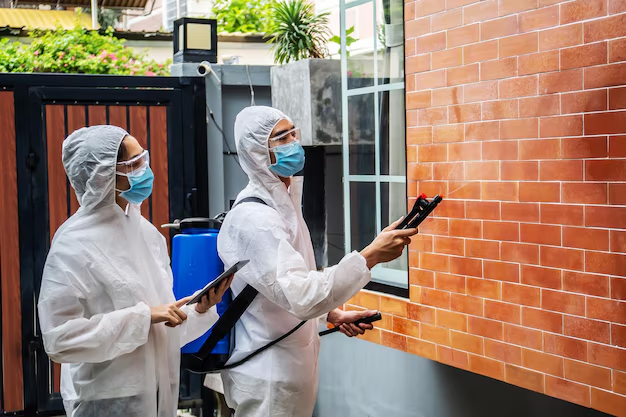
Pest Exterminator in Atlanta: How to Handle Pests in the City (The Smart Way)
Living in Atlanta, Georgia means warm weather, lush trees, and…plenty of bugs and wildlife. From cockroaches in Midtown condos to rats in older homes in Grant Park and mosquitoes around Westside yards, pests are a year-round reality here.
If you’re searching for a pest exterminator in Atlanta, this guide walks you through:
- Common pests in Atlanta (and when to worry)
- DIY vs. professional extermination
- How pest control typically works in Atlanta
- Local rules, safety considerations, and who to call
- What to ask an Atlanta exterminator before you hire them
Why Pests Are So Common in Atlanta
Atlanta’s humid subtropical climate, older housing stock, and tree canopy give many pests exactly what they need: warmth, shelter, and moisture.
Some reasons pests are especially persistent here:
- Mild winters allow many insects and rodents to survive year-round.
- High humidity supports ants, roaches, mosquitoes, termites, and mold-loving pests.
- Mature trees and older buildings create gaps, cracks, and entry points into homes.
- Dense urban and suburban development pushes wildlife (rats, squirrels, raccoons) closer to people.
Because of this, many Atlanta residents treat pest control as routine home maintenance rather than a one-time fix.
Common Atlanta Pests and What You’re Likely Dealing With
1. Cockroaches
Very common throughout Atlanta, especially in:
- Older homes (Kirkwood, West End, East Point area)
- Multi-unit buildings (Downtown, Midtown, Buckhead apartments)
- Moist or cluttered spaces (basements, kitchens, utility rooms)
Types you might see:
- American cockroaches (often called “palmetto bugs”) – large, reddish-brown, often in basements, crawlspaces, or drains.
- German cockroaches – smaller, tan with stripes; usually tied to kitchens, food, and clutter.
Signs you need an exterminator:
Persistent roaches even after cleaning, seeing them in daytime, or finding droppings and egg casings.
2. Ants
Atlanta residents often deal with:
- Odorous house ants in kitchens and bathrooms
- Carpenter ants in damp or rotting wood
- Fire ants in yards, parks, and around foundations
Neighborhoods with lots of trees and mulch beds (Virginia-Highland, Decatur, Sandy Springs, Brookhaven) are particularly prone.
When to call a pro:
If ants keep returning despite baits and barrier sprays, or if you suspect carpenter ants damaging wood.
3. Termites
Termites are a major concern in metro Atlanta due to the warm, moist climate and older wooden structures.
Common scenarios:
- Suburban homes in areas like Stone Mountain, Smyrna, Marietta, and College Park
- Houses with crawlspaces, moisture issues, or poor drainage
- Homes with wood-to-ground contact, old decks, or wood piles near the house
Warning signs:
- Swarmers (flying termites) in spring
- Mud tubes along foundations
- Hollow-sounding or damaged wood
For termites, professional treatment is strongly recommended in Atlanta, and many homeowners maintain an ongoing termite bond or warranty.
4. Rodents (Rats and Mice)
Rats and mice are common in:
- Older neighborhoods with alleys and restaurants (Downtown, Old Fourth Ward, South Atlanta, Westview)
- Homes near wooded areas or rail lines
- Houses with gaps around doors, roofs, or crawlspace vents
Signs:
- Droppings, gnaw marks, noises in walls or attic
- Greasy rub marks along baseboards
- Chewed food packaging
DIY traps can help, but full exclusion (sealing entry points) is often needed, which is where Atlanta exterminators specialize.
5. Mosquitoes
With Atlanta’s humidity and frequent rainfall, mosquitoes are a seasonal issue across the city, especially:
- Yards with standing water (buckets, birdbaths, clogged gutters)
- Near creeks, retention ponds, and low-lying areas
- Shaded backyards, especially near dense vegetation
Certain pest companies offer yard treatments during mosquito season, but reducing standing water and improving drainage is critical.
6. Bed Bugs
Bed bugs can show up anywhere—apartments, hotels, student housing, and single-family homes. They’re more often reported in:
- High-density housing areas
- Locations with frequent travel or short-term rentals
These are difficult to eliminate without professional help. Bed bug treatments in Atlanta may involve heat treatments, steam, targeted insecticides, or multiple visits.
7. Wildlife Issues
Not strictly “bugs,” but very common around Atlanta:
- Squirrels, raccoons, and opossums in attics
- Bats in rooflines or eaves
- Snakes around foundations, sheds, or woodpiles
Many pest extermination companies in Atlanta also offer wildlife removal and exclusion.
DIY vs. Professional Pest Exterminator in Atlanta
When DIY Might Be Enough
For minor, occasional problems, you might start with:
- Sealing small cracks and gaps
- Cleaning and decluttering
- Using store-bought baits or traps
- Reducing moisture (fixing leaks, using dehumidifiers)
DIY can be reasonable for:
- A few sugar ants you can track to a single trail
- One or two spiders or centipedes
- Occasional kitchen roach sightings that stop with better sanitation and simple baits
When to Call a Professional Exterminator in Atlanta
Consider a licensed pest control company if:
- You see regular or increasing pest activity
- You suspect termites, bed bugs, or a rodent infestation
- You’ve tried DIY methods with little or no improvement
- You manage or live in multi-unit housing, where pests spread quickly
- You need long-term prevention, not just a quick spray
In Atlanta, many residents schedule quarterly or bi-monthly pest control as part of standard home upkeep, especially in pest-prone areas.
How Pest Control Services Typically Work in Atlanta
While every company is different, a typical Atlanta pest exterminator may follow steps like these:
1. Inspection
The technician usually:
- Walks the interior and exterior of your property
- Checks kitchens, bathrooms, attics, basements, and crawlspaces
- Looks for entry points, nests, droppings, tunnels, or moisture problems
- Identifies the type of pest and severity of infestation
For termites, they may more closely inspect foundations, crawlspaces, and exterior wood.
2. Treatment Plan
You’ll typically get an explanation of:
- Which pests they’re targeting
- What products or methods they use (sprays, baits, traps, dusts, monitors, exclusion)
- Where treatments will be applied (indoors, outdoors, attic, crawlspace)
- Whether multiple visits are expected
Atlanta providers often offer:
- General pest plans (roaches, ants, spiders, some beetles)
- Specialty treatments (termites, rodents, bed bugs, mosquitoes, wildlife)
3. Initial Service
During the first visit, the exterminator may:
- Treat common entry points, cracks, and crevices
- Apply a barrier treatment around the exterior
- Place baits or traps in strategic locations
- Make basic recommendations (trash storage, food storage, drainage tweaks)
For larger pest issues, they may schedule follow-up visits right away.
4. Follow-Up and Ongoing Prevention
For many Atlanta homes, ongoing service may include:
- Regular inspections to spot early activity
- Refreshing exterior barriers
- Checking and resetting bait stations and traps
- Adjusting the plan as seasons change (heavier treatments in spring/summer, more rodent focus in fall/winter)
Because Atlanta’s pests are persistent, a maintenance plan often provides better long-term control than one-time service.
Safety and Regulations for Pest Control in Atlanta
Licensing and Oversight
In Georgia, pest control professionals must be licensed. Oversight is typically handled by:
- Georgia Department of Agriculture – Structural Pest Control Section
- Headquarters (Atlanta area office):
19 Martin Luther King Jr. Drive SW
Atlanta, GA 30334
Phone: (404) 656-3641 (main state agriculture office – they can direct you to pest control licensing)
- Headquarters (Atlanta area office):
You can contact state officials or visit their public resources to:
- Verify if a pest control company is properly licensed
- Learn about your rights as a consumer
- Ask how complaints are handled
Safety in Homes with Children, Pets, or Sensitive Individuals
When hiring an exterminator in Atlanta, make sure to:
- Ask what products they’ll use and where they’ll be applied.
- Tell them if you have children, pets, or anyone with allergies or sensitivities in the home.
- Follow all prep instructions, such as covering dishes, moving furniture, or vacating your home for a period if required.
Many Atlanta providers use targeted applications rather than broad interior spraying, especially for routine treatments.
What to Ask an Atlanta Pest Exterminator Before You Hire
Use this quick checklist when you speak with companies:
Key Questions
- Are you licensed and insured in Georgia?
- What pests does your standard service cover, and what is considered “specialty” (extra)?
- How often do you recommend service for my area and type of home?
- What treatment methods do you use for my specific problem (roaches, termites, rodents, etc.)?
- What preparation do I need to do before you come?
- Is your treatment safe for pets and children when used as directed?
- Do you provide written service details and pricing before starting?
- How do you handle follow-up visits if the pests come back between treatments?
Typical Services You’ll See Offered in Atlanta
Here’s a simple overview of common service types you might encounter:
| Service Type | Common Use in Atlanta | Notes |
|---|---|---|
| General Pest Control | Roaches, ants, spiders, some beetles inside/outside | Often done quarterly or bi-monthly as ongoing maintenance |
| Termite Control | Subterranean termites in homes with wood and crawlspaces | Often includes inspection, treatment, and a bond/warranty |
| Rodent Control | Rats, mice in attics, basements, walls | Usually involves trapping and sealing entry points |
| Mosquito Treatment | Seasonal yard treatments, especially spring–fall | Should be combined with standing water reduction |
| Bed Bug Treatment | Multi-visit or heat treatments for infested rooms or units | Prep work from the resident is usually required |
| Wildlife Removal | Squirrels, raccoons, bats, opossums in attics or crawlspaces | Often includes exclusion (sealing) and humane trapping/removal |
Approximate Timing and Expectations in Atlanta
While specific timing and cost vary by provider and property:
- Inspections: Often scheduled within a few days, especially for urgent issues.
- First treatment: Many companies treat on the same day as inspection or shortly after.
- Termite work: May take longer for planning and paperwork, especially if you’re getting or renewing a termite bond.
- Results:
- General pests: often noticeable improvement within days to a couple of weeks.
- Rodents: depends on how quickly entry points are identified and sealed.
- Bed bugs and termites: may require multiple visits and ongoing monitoring.
Local Resources If You Need Help or Have Concerns
If you live in Atlanta and have questions beyond what a company tells you, these public resources may help:
City of Atlanta – Code Enforcement / Housing Issues
- For pest problems tied to property conditions in rental housing, you can contact city code enforcement or housing inspection offices to ask about your rights and responsibilities as a tenant or landlord.
Fulton County Board of Health – Environmental Health Division
- Main office (Atlanta area):
10 Park Place South SE
Atlanta, GA 30303
Main line: (404) 613-1205 - They can provide guidance on sanitation, mosquito issues, and environmental health concerns.
- Main office (Atlanta area):
Neighborhood or HOA Offices
- Many Atlanta neighborhoods and homeowner associations set their own standards for trash storage, yard maintenance, and structural upkeep, which can help reduce pest problems.
Practical Prevention Tips for Atlanta Homes and Apartments
To get the best results out of any exterminator—and reduce the need for repeated treatments—focus on prevention:
- Seal entry points
- Caulk around windows and doors
- Install or repair door sweeps
- Screen vents where appropriate
- Reduce food access
- Store food in sealed containers
- Clean up crumbs and spills quickly
- Take out trash regularly and use tightly fitting lids
- Control moisture
- Fix plumbing leaks
- Keep gutters clean and direct water away from foundations
- Use dehumidifiers in damp basements or crawlspaces
- Maintain your yard
- Trim vegetation away from the house
- Avoid stacking firewood against the exterior wall
- Eliminate standing water where mosquitoes breed
These steps are especially important in humid, wooded Atlanta neighborhoods, where pests have plenty of natural shelter nearby.
For anyone living in or moving to Atlanta, GA, understanding how local pests behave—and how pest exterminators typically operate in the region—can help you respond quickly, choose the right services, and keep your home more comfortable year-round.