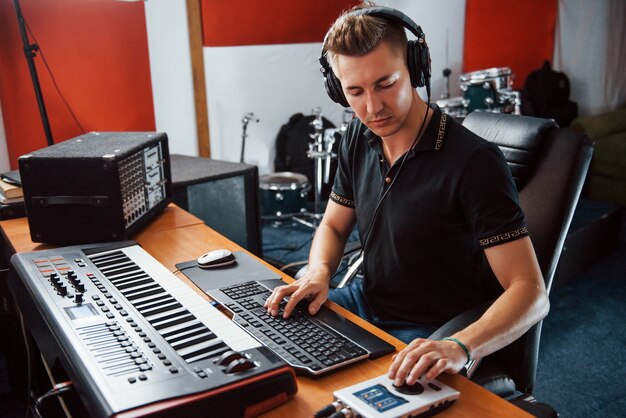
Recording Studios in Atlanta: How to Find the Right Studio for Your Sound
Atlanta is one of the world’s most influential music cities. From hip-hop and R&B to gospel, trap, pop, rock, and film scoring, the city’s recording studios support a huge range of artists, producers, and content creators.
Whether you’re an independent artist, podcaster, or visiting producer looking to work in Atlanta, Georgia, this guide walks you through how recording studios in the city typically operate, what to expect, and how to choose the right space for your project.
Why Atlanta Is a Major Recording Hub
Atlanta’s recording scene is shaped by:
- Strong hip-hop and R&B culture – Many chart-topping artists record in Atlanta.
- Independent and underground scenes – A lot of up-and-coming artists track mixtapes, demos, and full projects here.
- Content creators and podcasters – Many studios now serve YouTubers, streamers, and podcasters as well as musicians.
- Film and TV production – The growth of Georgia’s film industry has increased demand for studios that can handle VO, ADR, and scoring.
For someone living in or visiting Atlanta, this means you have access to everything from high-end commercial studios with large tracking rooms to smaller project and home-based studios that are more budget-friendly.
Common Types of Recording Studios in Atlanta
Most recording studios in Atlanta fall into a few broad categories. Knowing the difference helps you book the right one.
1. Full-Service Commercial Recording Studios
These are larger, professional spaces designed for label projects, serious indie releases, and commercial work.
Typical features:
- Multiple rooms (A, B, sometimes C) with different sizes and acoustics
- Large live rooms for bands, choirs, or drum tracking
- High-end microphones, preamps, and consoles
- In-house engineers and sometimes staff producers
- Ability to handle tracking, mixing, and sometimes mastering
You’ll usually find these studios in commercial or warehouse districts in and around Downtown, Midtown, West Midtown, and nearby industrial areas. Parking ranges from on-site lots to street parking.
These spaces tend to be more expensive, but they’re ideal if:
- You need top-tier sound quality
- You’re recording a full album or major single
- You have a label, management, or bigger budget
- You need room for a full band or multiple vocalists
2. Mid-Sized and Boutique Studios
These are often run by engineers, producers, or small teams and cater heavily to local and regional artists.
Common traits:
- One or two main rooms (control room + vocal booth or small live room)
- Focus on vocal recording, beat sessions, and mixing
- Often located in office parks, lofts, or mixed-use buildings throughout the city, including areas like West End, East Atlanta, and the Perimeter suburbs
- Rates that are accessible to serious independents but still professional
These studios are a fit if:
- You’re recording vocals over beats, EPs, or singles
- You want a consistent engineer to build a sound with
- You prefer a more personal, less corporate environment
3. Project, Home, and Creator-Focused Studios
Atlanta has a large number of smaller studio setups, sometimes inside residences, rehearsal spaces, or co-working style creative hubs.
They typically offer:
- One main room that combines recording and mixing
- Focus on rap, R&B, songwriting, podcasting, or content creation
- More flexible hours, including late-night sessions
- Lower hourly or block rates
These spaces can work well if:
- You’re early in your career and testing ideas or recording demos
- You need a budget-friendly place to track often
- You’re recording podcasts, voiceovers, or content that doesn’t require a big live room
Because they’re more informal, it’s especially important to:
- Ask for recent audio examples
- Confirm equipment, acoustics, and noise control
- Clarify house rules, guest limits, and security ahead of time
4. Podcast and Voiceover Studios
With so many creators in Atlanta, there are dedicated spaces for:
- Podcasting and talk shows
- Audiobooks and voiceover
- Remote recording and live streaming
Features often include:
- Broadcast-quality microphones
- Acoustic treatment designed for spoken word clarity
- Options for remote guests, phone calls, and live mixing
- Sometimes, video and lighting equipment for video podcasts
These studios are often found in:
- Downtown and Midtown office buildings
- Creative co-working hubs
- Purpose-built podcast spaces in larger media studios
What You Can Record in an Atlanta Studio
Studios across Atlanta support many kinds of projects:
- Rap and hip-hop vocals over purchased or custom beats
- R&B and pop vocals, harmonies, and vocal production
- Bands and live instruments (drums, guitar, bass, keys, horns, strings)
- Choirs and gospel groups, especially in studios with larger rooms
- Podcasts and interviews
- Voiceover and ADR for film, TV, and commercials
- Songwriting and demo sessions
- Mixing and mastering-only sessions (sending in your files remotely)
When you contact a studio, be specific:
- What genre are you recording?
- How many people will be in the session?
- Do you need full band tracking or just vocals?
- Do you need mixing, mastering, or production as well?
Typical Studio Services in Atlanta
Most recording studios in Atlanta offer some mix of the following.
Tracking (Recording)
This is the actual recording of audio: vocals, instruments, or dialogue.
You bring:
- Yourself, your group, or your band
- Any instruments or hard drives you need
- Your reference tracks or beats
The studio provides:
- Engineer (if included in the rate)
- Mics, headphones, recording software
- The recording space and monitoring
Mixing
Some artists record elsewhere and come to an Atlanta studio just for the mix.
You provide:
- Multitrack stems or session files
- Notes or reference songs
The engineer:
- Balances levels, EQ, compression, and effects
- Creates stereo or Dolby-style mixes depending on the room’s capabilities
Mastering
Not every studio masters in-house, but many offer:
- Basic stereo mastering for singles and albums
- Adjusting loudness, EQ, and dynamics for release
Higher-end studios may work with specialist mastering engineers, either in Atlanta or remotely.
Production and Beat-Making
Especially in hip-hop and R&B, studios often connect you with:
- Producers and beatmakers
- Writers and top-liners
- Musicians for live instruments
You may be able to:
- Lease or buy beats on-site
- Build custom tracks during a session
- Co-write songs with in-house or partner writers
Podcast & Content Services
Creator-focused studios may offer:
- Podcast hosting support
- Basic editing and post-production
- Video recording setup
- Advice on publishing and distribution
How Much Do Recording Studios in Atlanta Cost?
Rates vary widely depending on studio type, engineer, gear, and location, but you’ll typically see:
- Project / home setups: lower hourly rates, sometimes with minimum blocks (e.g., 2–4 hours)
- Boutique and mid-level studios: moderate hourly rates, with discounts for half-day or full-day blocks
- High-end commercial studios: higher hourly or day rates, often aimed at labels and established artists
Studios may charge:
- Hourly rates (with or without engineer included)
- Block rates (3, 4, 8, or 12 hours)
- Flat rates for mixing or mastering per song
- Additional fees for:
- Extra guests
- Late-night sessions
- Last-minute bookings or cancellations
- Use of certain instruments (like grand pianos or drum kits)
When you book in Atlanta, it’s wise to confirm:
- What’s included (engineer, gear, plugins)
- Payment methods and deposit requirements
- Cancellation or rescheduling policy
- Whether parking is free, paid, or limited
Key Neighborhood Considerations for Atlanta Studios
Recording studios in Atlanta are spread across the metro area. Some general patterns:
Downtown & Midtown
- Good for: access to transit, proximity to businesses and hotels
- Consider: parking, traffic, and event nights
West Midtown and West End
- Popular for: creative warehouses, loft studios, production houses
- Often offers: larger spaces suited for bands and content creators
East Atlanta, Decatur area
- Frequent home to: indie and boutique studios
- Good for: smaller, artist-run environments
Perimeter areas (Sandy Springs, Dunwoody, Tucker, etc.)
- Often more suburban-feeling
- Easier parking, sometimes quieter surroundings
South Atlanta / College Park / East Point
- Strong presence of urban and hip-hop focused studios
- Convenient to Hartsfield–Jackson Atlanta International Airport if you’re flying in
Because neighborhoods vary in traffic, safety, and parking, it helps to:
- Check the exact street and cross streets
- Confirm parking rules and after-hours access
- Start with daytime sessions if you’re unfamiliar with the area
What to Look For When Choosing an Atlanta Recording Studio
Use this simple checklist to narrow options and compare studios.
1. Sound Quality and Portfolio
Ask for:
- Recent songs or projects tracked or mixed at the studio
- Audio examples similar to your style or genre
You want to hear:
- Clear vocals, balanced mixes, and low noise or echoes
- A sound that matches how you want your record to feel
2. Engineer Experience
In Atlanta, the engineer often makes as much difference as the room itself.
Consider:
- Have they worked with artists at your level and in your genre?
- Can they handle vocal tuning, comping, and creative effects if needed?
- Are they comfortable with your DAW or file formats?
If you already have an engineer, check whether the studio allows outside engineers and whether there’s a different rate for that.
3. Gear and Room Setup
You don’t need to know every brand, but you should confirm:
- There’s at least one treated vocal booth or controlled space
- They have reliable mics and headphones
- The control room is set up for accurate monitoring
If you’re tracking drums or a band, ask about:
- Room size and isolation
- On-site drum kits, amps, and keyboards
4. Location, Access, and Parking
Since Atlanta traffic can be heavy, factor in:
- Distance from your home, hotel, or airport
- Whether there’s secure parking or a garage
- Public transit options if needed (for example, whether the studio is near a MARTA rail or bus line)
5. Studio Policies and Atmosphere
Every studio operates differently. Ask about:
- Guest policies (how many people you can bring)
- Food and drink rules
- Smoking and vaping policies
- Security measures, especially for late-night sessions
- Whether the environment matches how you like to work:
- Quiet and focused
- Lively and social
- A mix of both
Example Information You Might Collect About an Atlanta Studio
When you’re comparing studios, it can help to build a quick reference like this:
| Detail | What to Confirm |
|---|---|
| Name & Location | Neighborhood, approximate address, parking situation |
| Studio Type | Commercial, boutique, project, or podcast/VO |
| Main Services | Tracking, mixing, mastering, production, podcasting |
| Rates | Hourly and block rates, what’s included |
| Engineer | Included or separate fee, experience, genre familiarity |
| Room Setup | Vocal booth, live room, control room, isolation options |
| Availability | Daytime, evenings, weekends, late-night options |
| Policies | Deposits, cancellations, guest limits, conduct expectations |
Practical Tips for Booking a Studio Session in Atlanta
A little preparation goes a long way in getting value from your session.
Before You Book
- ✅ Clarify your goals: single, demo, EP, podcast episode, or full album
- ✅ Estimate time honestly; complex vocals and editing take longer
- ✅ Organize your files: labeled stems, session files, and reference tracks
- ✅ Ask about the engineer: who will actually be running your session
Before You Arrive
Bring:
- A USB drive or external hard drive
- Instrument cables, picks, drumsticks, or chargers you rely on
- Printed or digital lyrics and notes
Plan:
- Your route and parking so you’re not late in Atlanta traffic
- Breaks if you’re doing a long session
During the Session
Communicate clearly about:
- The sound you’re going for
- Any must-have effects or references
- Which takes you like or dislike
Keep track of:
- Rough mixes or bounces the engineer gives you
- How you’ll receive final files (email, download, drive)
After the Session
- Confirm:
- When you’ll get final files or mixes
- The format (WAV, MP3, stems)
- Back up everything in two separate places
- Note what worked well and what didn’t for your next Atlanta session
Where to Find and Evaluate Atlanta Recording Studios
To explore recording options around Atlanta, people commonly use:
- Local search engines and map services
- Artist communities and open mics around neighborhoods like East Atlanta, Little Five Points, and West End
- Music schools, colleges, and arts programs that may have leads on studios and engineers
- Referrals from DJs, producers, and performers active in the city
When you identify a few promising studios, reach out with:
- Your project description (genre, number of songs, timeline)
- Your budget range and preferred dates
- A request for audio samples of their recent work
Living in or visiting Atlanta, Georgia gives you access to a deep and diverse recording ecosystem. By understanding the different types of studios, what services they offer, and how to evaluate them, you can choose a space that fits your sound, your budget, and the way you like to work.