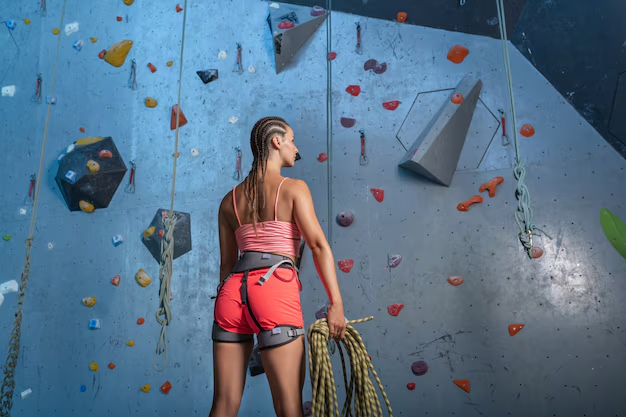
Rock Climbing in Atlanta: Gyms, Outdoor Spots, and How to Get Started
Atlanta has become a major hub for rock climbing in the Southeast. Whether you want to climb indoors after work, train seriously for big trips, or take your first steps on real rock, you can do it all starting from Atlanta, Georgia.
Below is a practical guide to rock climbing in Atlanta—where to go, what to expect, and how to get started safely and affordably.
Indoor Rock Climbing in Atlanta
Indoor gyms are the easiest way to climb in Atlanta. They offer controlled environments, rental gear, and instruction for all levels.
What to Expect at Atlanta Climbing Gyms
Most Atlanta climbing gyms offer:
- Bouldering (short walls, no ropes, thick pads)
- Top-rope climbing (climber is tied in; rope anchored at top)
- Lead climbing (advanced roped climbing, clipping gear as you go)
- Rental gear (shoes, harness, chalk bag)
- Intro classes and belay certification
- Youth programs, camps, and teams
- Fitness areas, yoga, and training boards at many locations
You generally sign a waiver, get a quick orientation, and either:
- Climb independently (if you already know how), or
- Join a beginner class or bouldering session.
Indoor climbing is popular for:
- After-work workouts
- Rainy or hot summer days
- Learning basics before going outside
Popular Types of Indoor Climbing
Bouldering
- No ropes; 10–16 ft walls with padded floors
- Focus on powerful, technical movement
- Great for beginners because you only need shoes and a quick briefing
- Common in Midtown, Westside, and other central areas
Top-rope and lead climbing
- Taller walls, usually 30–50 ft
- Requires a belayer (partner managing the rope)
- Gyms often require a belay test to climb on ropes independently
- Good for people who like endurance and the “height” factor
If you’re brand new, staff often recommend:
- 🤝 Try bouldering first to get comfortable with movement, or
- 🎓 Take an Intro to Climbing / Belay Class to learn how ropes work.
Outdoor Rock Climbing Near Atlanta
There’s almost no natural cliff rock within downtown Atlanta, but the city is a gateway to world-class outdoor climbing within a few hours’ drive.
How Far Is Real Rock From Atlanta?
Here’s a simple overview of major outdoor options Atlanta climbers commonly use:
| Area / Destination | Approx. Drive from Downtown ATL | Main Style |
|---|---|---|
| Stone Mountain Park | ~30–40 minutes east | Limited roped & scrambling |
| Boat Rock Preserve (SW ATL) | ~25–30 minutes southwest | Bouldering (granite) |
| Chattahoochee River NRA | ~20–40 minutes north | Scrambles, limited boulders |
| Sand Rock, AL | ~2 hours west | Sport & trad, some boulders |
| Chattanooga, TN area | ~2–2.5 hours north | Top-tier bouldering & roped |
| Tallulah Gorge, GA | ~2 hours northeast | Trad, advanced multipitch |
| Tennessee Wall, TN | ~2.5 hours north | Trad climbing |
Driving times vary with traffic, but for most Atlanta climbers:
- After-work: Indoor gyms or very close bouldering spots
- Weekends: Day trips to Alabama, North Georgia, or Tennessee
Local-ish Outdoor Spots
Boat Rock (Southwest Atlanta area)
- One of the closest true outdoor bouldering areas to Atlanta
- Granitic boulders with short, technical climbs
- Requires pad(s), partner, and familiarity with outdoor ethics
- Climbing here is generally best for people who have climbed indoors first
Stone Mountain (East of Atlanta)
- Huge granite dome easily seen from much of metro Atlanta
- Limited amounts of technical roped climbing and scrambling
- Some routes and areas are restricted; rules can change
- Many people hike here rather than climb, but it’s relevant for those exploring local rock options
Chattahoochee River National Recreation Area
- Multiple units along the river north of the city (e.g., Cochran Shoals, Powers Island, Palisades)
- Not a major technical climbing destination, but some people explore short problems or scrambles on the river bluffs
- Good for mixing hiking, trail running, and light scrambling rather than full climbing days
For more extensive roped climbing or high-quality bouldering, most Atlanta climbers drive to:
- Sand Rock (Cherokee Rock Village), Alabama
- Areas around Chattanooga, Tennessee
- North Georgia outcrops and gorges
Outdoor climbing generally requires:
- Proper gear (shoes, pads, harness, rope, protection depending on style)
- Knowledge of anchors and safety systems
- Awareness of landowner rules, parking, and leave-no-trace practices
Many climbers learn the basics indoors, then take an outdoor transition course run out of Atlanta or nearby areas.
How to Start Rock Climbing in Atlanta (Step-by-Step)
If you live in or are visiting Atlanta and want to try rock climbing, here’s a simple pathway.
1. Start Indoors
Indoor gyms are the safest and simplest place to begin:
- You can rent everything you need (shoes, harness).
- Staff can walk you through basic rules.
- You don’t need prior experience or a partner to get started with bouldering or certain beginner programs.
Look for:
- “Intro to Climbing” or “Belay Class” on gym schedules
- Day passes or first-time visitor deals
- Family or youth programs if you are bringing kids
2. Learn the Basics
Within a few sessions, aim to understand:
- How to fall safely on bouldering pads (land on feet, roll if needed)
- How grades work (indoor routes or problems are labeled by difficulty)
- Basic climbing movement (footwork, balance, using legs instead of just arms)
- If using ropes, how to tie in and belay under supervision and then through a gym test
Many Atlanta climbers build a base by going 1–2 times per week indoors before considering outdoor climbing.
3. Find Partners and Community
You do not need to know climbers already to get started in Atlanta. Many people:
- Join beginner classes, where partners are often assigned
- Ask about community nights, meetups, or social climbs run by gyms or local clubs
- Meet partners through:
- College outdoor programs
- Atlanta-based climbing clubs
- Community boards or social groups centered around particular gyms
Good partners will:
- Take safety seriously
- Welcome questions
- Be patient with beginners
4. Transition Outdoors (If You Want To)
Outdoor climbing around Atlanta is rewarding but more complex than gym climbing.
Common paths:
- Take an “Intro to Outdoor Climbing” course through a guide service or climbing program
- Join a club trip where more experienced members mentor newer climbers
- Continue climbing indoors while slowly building outdoor skills
Outdoor climbing adds additional responsibilities:
- Recognizing loose rock and natural hazards
- Building and evaluating anchors (for roped climbing)
- Managing weather, navigation, and access rules
- Practicing leave-no-trace: packing out trash, minimizing chalk marks, staying on trails, respecting closures and wildlife
What You Need to Climb in Atlanta
Basic Gear for Indoor Climbing
You can rent gear at most Atlanta gyms, but if you go regularly, you may want to buy:
- Climbing shoes – snug but not painfully tight
- Chalk bag + chalk – helps with sweaty hands
- If you rope climb:
- Harness – properly fitted to your waist and legs
- Belay device + locking carabiner
Many people start with rentals, then buy shoes once they know they like climbing.
Clothing and What to Bring
Wear:
- Stretchy, comfortable clothing (athletic shorts, leggings, t-shirts)
- Socks are optional with climbing shoes; many people climb without them, but some prefer light socks with rentals
- A reusable water bottle
Avoid:
- Very loose shorts (they can ride up in a harness)
- Jewelry that can catch
- Anything you can’t move freely in
Safety and Accessibility in Atlanta Climbing
General Safety Tips
- Always follow gym rules and staff instructions.
- Double-check knots, harness buckles, and belay setup before climbing.
- Respect your limits; it’s normal to fall on boulders or hang on the rope when you’re learning.
- Choose beginner-friendly routes and problems first; staff can recommend where to start.
For outdoor climbing:
- Do not climb on private property without explicit permission.
- Follow posted signs and closures in parks and preserves.
- If you are unsure how to set up anchors, build rappels, or evaluate rock quality, seek qualified instruction rather than improvising.
Kids and Families
Atlanta is generally very family-friendly for indoor climbing. Many gyms offer:
- Designated family hours
- Birthday party options
- Youth teams, camps, and after-school programs
For younger children:
- Bouldering areas often have height or age guidelines.
- Roped climbing may require a parent or guardian to belay (after training).
- Staff can help size harnesses and shoes.
Accessibility Considerations
Some Atlanta gyms and outdoor programs make efforts to be more accessible, such as:
- Wheelchair-accessible entrances and restrooms
- Auto-belay systems that allow solo roped climbing without a partner
- Programs that work with adaptive athletes
If you have specific accessibility needs, it can help to:
- Call the gym ahead of time and ask about their setup
- Inquire about adaptive or inclusive climbing events
Costs and Ways to Save in Atlanta
Typical cost categories for climbing in Atlanta include:
- Day passes – one-time access, usually includes bouldering and ropes
- Gear rental – shoes, harness, chalk bag
- Memberships – monthly or annual, better if you climb often
- Classes – intro courses, belay lessons, advanced clinics
- Guided outdoor trips – separate from gym fees
Ways to reduce cost:
- Ask about first-time visitor specials or new climber packages
- Check for student, teacher, military, or first responder discounts
- Use punch passes if you climb occasionally but not weekly
- Watch for community nights or discounted hours during less busy times
Practical Tips for Atlanta Climbers
- 🌡️ Beat the heat: In summer, Atlanta gets hot and humid. Indoor gyms are ideal midday; outdoor climbing is best early morning or later afternoon.
- 🚗 Plan for traffic: If you’re driving to a suburban gym or out-of-town crag, factor in Atlanta rush hour, especially along I‑75, I‑85, and the Perimeter (I‑285).
- 🧴 Hydrate: Both indoor and outdoor climbing can be demanding; bring water, especially in warm months.
- 🗺️ Check access info: For places like Boat Rock or Stone Mountain, look up current parking, hours, and any climbing-related rules before you go.
- 🌲 Respect local crags: Pack out trash, avoid loud music in natural areas, and be considerate of nearby residents and other visitors.
Atlanta offers a strong mix of modern climbing gyms, quick local bouldering, and access to some of the best outdoor climbing areas in the Southeast within a half-day drive. Whether you’re just visiting or planning to climb regularly as a local, starting indoors, connecting with the community, and learning good safety practices will set you up to enjoy rock climbing in and around Atlanta for years to come.