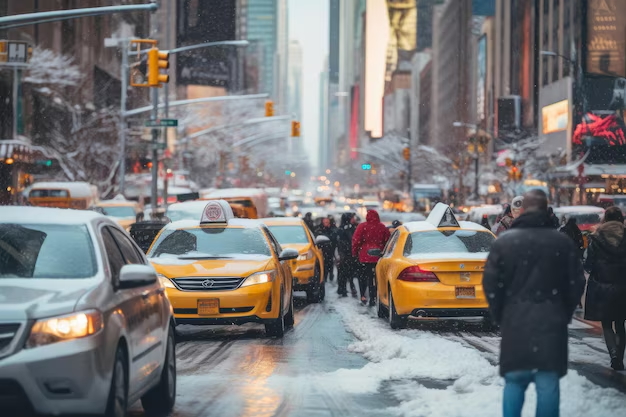
Snowpocalypse Atlanta: What Really Happens When the City Shuts Down for Snow
If you live in Atlanta, you already know: it doesn’t take much winter weather for things to get chaotic. When people say “Snowpocalypse Atlanta,” they’re usually talking about those rare, dramatic snow and ice events that bring the city to a standstill—most famously the January 2014 winter storm that stranded thousands of drivers on I-285, I-75, and I-85.
This guide walks through what “Snowpocalypse” means in Atlanta, why small amounts of snow cause big problems here, and what you can realistically do before, during, and after a major winter weather event in the city.
What “Snowpocalypse Atlanta” Means
In Atlanta, Snowpocalypse is a nickname for a severe winter weather event that:
- Brings snow, sleet, or freezing rain to metro Atlanta
- Quickly turns roads into sheets of ice
- Causes massive traffic jams, accidents, and abandoned vehicles
- Closes schools, government offices, and businesses
- Leads to flight delays and cancellations at Hartsfield-Jackson Atlanta International Airport
Because serious winter weather is relatively rare here, the city’s infrastructure and driver habits are built around heat and thunderstorms, not long-lasting ice.
Why Atlanta Struggles So Much With Snow and Ice
A few local realities make “Snowpocalypse Atlanta” more likely to feel extreme:
1. Marginal Temperatures and Fast Freezing
Atlanta often sits right around the freezing mark during winter storms. That means:
- Snow can quickly melt on warmer pavement
- Then temperatures drop again and that meltwater refreezes as ice
- Light snow can hide a layer of clear, hard-to-see black ice
This is especially dangerous on bridges and overpasses along I-285, I-75, I-85, GA-400, and the Downtown Connector.
2. Limited Snow and Ice Equipment
Compared with northern cities, Atlanta and many surrounding counties have:
- Fewer salt trucks and plows
- Less capacity to clear all roads quickly, especially side streets and neighborhood hills
- A focus on major interstates and primary arterials first
That’s why neighborhoods in hilly areas like East Atlanta, Virginia-Highland, Midtown side streets, or parts of Buckhead can stay icy even after the main roads are improved.
3. Driving Culture and Road Layout
Metro Atlanta is:
- Car-dependent – most people drive, even for short trips
- Spread out, with long commutes from suburbs like Marietta, Roswell, McDonough, and Lawrenceville
- Laced with wide, fast-moving highways
When a winter storm hits during rush hour, thousands of cars can be stuck at once. Even a minor collision can quickly back up traffic for miles.
Looking Back: The 2014 “Snowpocalypse” in Atlanta
When people mention Snowpocalypse Atlanta, they usually mean the January 28, 2014 storm.
Here’s a quick recap of what happened:
- A winter weather event brought about 2 inches of snow, but it fell during the afternoon rush hour.
- As snow melted and refroze, roads turned into solid ice within hours.
- Many schools, businesses, and government offices released people at the same time, causing a mass exodus onto highways.
- Thousands of drivers were stuck overnight on interstates, including I-285, I-75, I-85, and I-20.
- Students were stranded at schools, and some residents had to walk home or shelter at businesses and churches.
This event permanently shaped how Atlantans talk about winter weather. Today, when a winter storm is forecast, you’ll often hear people say: “We don’t want another Snowpocalypse.”
How Atlanta Prepares for Winter Weather Now
Local governments and agencies in the metro area have made changes since 2014 to reduce the chances of another full-scale Snowpocalypse.
Key Players in Atlanta Winter Weather Response
City of Atlanta Department of Transportation (ATLDOT)
- Coordinates road treatments and plowing within city limits.
- Public Works / ATLDOT offices are generally based around 55 Trinity Ave SW, Atlanta, GA 30303.
Georgia Department of Transportation (GDOT)
- Handles interstates and major state routes.
- GDOT’s District 7 (covering much of metro Atlanta) is based in Chamblee.
Atlanta-Fulton County Emergency Management Agency (AFCEMA) and
Atlanta Office of Emergency Management- Coordinate emergency response, warming centers, and public alerts.
Hartsfield-Jackson Atlanta International Airport
- Has its own de-icing and snow-removal protocols for runways and taxiways.
What’s Different Now
During a winter weather threat, it’s now common to see:
- Earlier school closures or e-learning days in Atlanta Public Schools and surrounding districts
- Telework recommendations for city and state employees
- Pre-treatment of major roads and overpasses with brine or salt
- More consistent public alerts via local news, social media, and emergency notification systems
You’ll usually hear terms like “Winter Weather Advisory” or “Winter Storm Warning” from local weather outlets based in Atlanta when trouble is expected.
What To Expect When Atlanta Faces a Snowpocalypse-Level Event
If you’re living in or visiting Atlanta during a major winter storm, here’s what realistically happens.
Roads and Traffic
You can expect:
- Rapid road closures on icy stretches, especially ramps and bridges
- Accidents and stalled vehicles on interstates and major connectors
- Neighborhood streets in areas like Grant Park, Inman Park, Old Fourth Ward, Kirkwood, and Buckhead hills to be icy and difficult to navigate
- Public fears of “another Snowpocalypse” leading to people leaving work early, crowding roads all at once
Main takeaway: Do not plan on normal drive times; travel may be unsafe or impractical for hours or even a day or two on side streets.
MARTA and Transit
Metro Atlanta’s main transit system, MARTA, may:
- Stay open on reduced schedules
- Temporarily suspend some bus routes on steep or unsafe roads
- Experience delays on rail lines if conditions deteriorate
If you’re counting on MARTA, check for:
- System-wide alerts
- Changes to bus routes near hilly or less-traveled areas
Flights and the Atlanta Airport
At Hartsfield-Jackson Atlanta International Airport (ATL):
- Airlines may proactively cancel or delay flights
- De-icing operations can add time to departures
- Passenger volumes can surge right before or after a storm window
If you’re flying:
- Expect longer lines
- Watch for rebooking options
- Build in extra travel time to the airport in case of slower roads, even on main routes like I-85, I-75, I-285, and Camp Creek Parkway.
Practical Prep: How Atlantans Can Get Ready for the Next Snowpocalypse
You don’t need to panic-buy, but a small amount of preparation goes a long way in Atlanta’s winter storms.
Home Preparation 🏠
For Atlanta homes, especially older ones in neighborhoods like Decatur, West End, East Atlanta, and Midtown, consider:
Basic supplies
- Bottled water
- Non-perishable food for a few days
- Flashlights and batteries
- Blankets and warm layers
Power outage readiness
- Fully charge phones and devices
- Keep a small battery pack ready if possible
- Know where your breaker box is
Heat awareness
- Many homes rely on electric heat pumps, which may struggle in extreme cold or outages
- Have extra blankets and warm clothing available
Car Preparation 🚗
In Atlanta, most people are caught in Snowpocalypse situations inside their vehicle. Prepare for that:
Keep in your car:
- Basic first-aid kit
- Small snacks and bottled water
- Jacket, hat, gloves, and blanket
- Phone charging cable for your car
- Ice scraper or an old credit card that can help with ice on windows
Fuel and maintenance:
- Try to keep your gas tank at least half full when winter weather is in the forecast
- Check tire tread and pressure – important on slick roads
Work and School Planning
For many Atlantans, the big challenge is timing:
- Ask your employer about remote work or adjusted hours when winter weather is predicted.
- Make a plan with your child’s school or daycare for early dismissals or closures.
- If you use after-school programs or activities, check how they handle weather closings.
Staying Informed During a Winter Weather Event in Atlanta
When a Snowpocalypse-type event is brewing, reliable, local information matters.
Where Atlantans Commonly Get Updates
You can usually find timely local details from:
- Local TV and radio stations based in Atlanta
- City of Atlanta and Fulton/DeKalb County government alerts
- Official accounts for:
- GDOT
- Atlanta Department of Transportation
- MARTA
- Hartsfield-Jackson Atlanta International Airport
These sources typically provide updates on:
- Road closures and icy spots
- School and government office closures
- Warming centers or emergency shelters
- Transit changes and flight disruptions
Key Atlanta Contacts and Resources (For Planning Purposes)
Here is a quick-reference style summary of important Atlanta-area entities relevant in a Snowpocalypse scenario:
| Need / Topic | Who Handles It (Atlanta Area) | Typical Focus |
|---|---|---|
| Icy interstates and state roads | Georgia Department of Transportation (GDOT) | Treating and clearing I-285, I-75, I-85, I-20, GA-400, etc. |
| City streets & bridges | City of Atlanta Department of Transportation (ATLDOT) | Brine, salt, and plowing on city-managed roads |
| Emergency management (city) | Atlanta Office of Emergency Management | Alerts, coordination with police, fire, and shelters |
| County-level emergencies | Fulton/DeKalb County EMA and other county EMAs | Regional response, especially outside city limits |
| Public transit | MARTA | Adjusted schedules, bus route changes, rail operations |
| Air travel & airport operations | Hartsfield-Jackson Atlanta International Airport (ATL) | Flight operations, de-icing, terminal alerts |
For urgent, life-threatening emergencies during any severe winter weather in Atlanta, residents and visitors should call 911.
What Visitors to Atlanta Should Know About a Snowpocalypse
If you’re visiting Atlanta when snow or ice is in the forecast:
- Don’t underestimate 1–2 inches of snow here—it can still mean hours of gridlock.
- If you’re staying in Downtown, Midtown, Buckhead, or near the airport, consider:
- Using MARTA instead of driving if service is operating safely
- Walking to nearby food or essentials when conditions are bad, rather than moving your car and risking getting stuck
- If you rented a car and are not used to driving on ice, it’s usually safer to stay put once the storm begins.
Many Atlantans will voluntarily stay off the roads during the worst of the weather, which helps crews focus on treating major routes.
After the Storm: How Long Until Atlanta Recovers?
Atlanta usually recovers relatively quickly, but timing depends on:
- Sun and temperature – sunshine and temperatures above freezing help melt ice fast.
- Shaded, tree-lined streets in areas like Morningside, Druid Hills, or parts of Decatur may stay icy longer.
- Side streets and neighborhood hills may take an extra day or more to become safely drivable.
As conditions improve, you’ll see:
- Schools and offices moving from closed to delayed starts
- More MARTA bus routes restored
- Gradual reopening of city services
If you can be flexible, it often pays to delay non-essential trips for half a day to let ice melt and traffic settle.
When people talk about “Snowpocalypse Atlanta,” they’re really talking about how a small amount of wintry weather can expose the city’s vulnerabilities: limited winter infrastructure, heavy reliance on cars, and tricky freeze-thaw conditions. Understanding how Atlanta responds, how roads and services are affected, and how to prepare at home or on the road can help you navigate the next winter storm more safely and with far less stress.