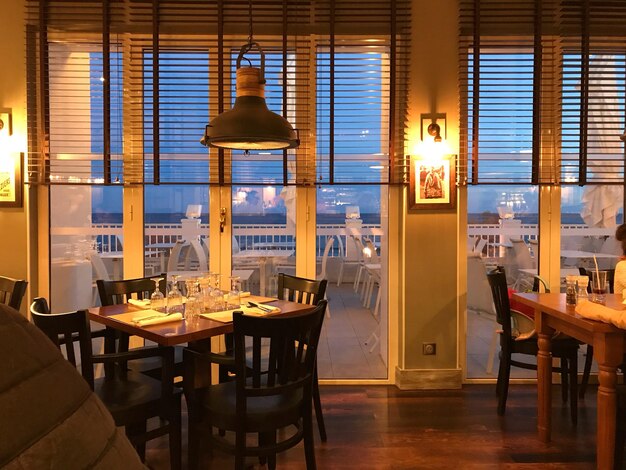
Staplehouse in Atlanta: What Happened, Where It Is Now, and How to Visit
If you’ve searched for “Staplehouse Atlanta”, you’re probably wondering whether the famed restaurant is still open, what it’s doing now, and how you can experience it on your next trip to Atlanta, Georgia.
Here’s a clear, locally focused guide to what Staplehouse is today, how it has evolved, and what that means for you as an Atlanta resident or visitor.
A Quick Overview: Staplehouse’s Journey in Atlanta
Staplehouse started as a highly acclaimed, reservation-only restaurant in Atlanta’s Old Fourth Ward, known for its creative tasting menus and nonprofit-driven mission connected to the Giving Kitchen.
Over time, it shifted away from a formal dining room and transitioned into a more flexible model focused on:
- A market-style space with prepared foods and pantry items
- Casual food and drink service
- A community-minded approach to hospitality
Because the restaurant’s format has changed over the years, what you’ll experience at Staplehouse today is not the white-tablecloth, multi-course tasting menu people may remember from its early days.
Where Is Staplehouse in Atlanta?
Staplehouse has been based in the Old Fourth Ward neighborhood, a central and highly walkable part of Atlanta that’s popular with locals and visitors.
Typical details associated with Staplehouse include:
- Neighborhood: Old Fourth Ward, Atlanta, GA
- Area landmarks nearby:
- Krog Street Market
- Atlanta BeltLine Eastside Trail
- Martin Luther King Jr. National Historical Park
Because restaurant concepts, hours, and uses of the building can change, it’s smart to:
- Check the most current description of Staplehouse before you go
- Confirm whether it is currently operating as a market, events space, or other concept
- Verify hours; many Atlanta hospitality businesses adjust hours seasonally or after major changes
Is Staplehouse Still a Restaurant?
This is one of the most common questions Atlanta diners have.
Staplehouse is no longer operating as the formal, tasting-menu restaurant that originally made it famous.
Instead, its use has evolved over time. Depending on when you’re reading this, Staplehouse may be offering:
- Market-style retail (prepared foods, pantry goods, wine, etc.)
- Casual service like sandwiches, snacks, or small plates
- Events or private bookings, depending on the current concept
Because this can change, locals typically:
- Look up the latest information shortly before planning a visit
- Treat Staplehouse as a flexible, evolving space rather than a fixed-format restaurant
What Staplehouse Has Represented in Atlanta’s Food Scene
Even if you’re not able to book a formal dinner there today, understanding Staplehouse helps explain a lot about Atlanta’s modern restaurant culture.
Staplehouse has been associated with:
- Creative, chef-driven cuisine that helped put Atlanta on national dining maps
- A mission-oriented model, historically linked with helping hospitality workers through nonprofit support
- The growth of Old Fourth Ward as a serious food destination, alongside places near the BeltLine and Krog Street Market
For someone moving to or visiting Atlanta, Staplehouse often comes up in conversations about:
- How the city’s food scene has evolved
- How restaurants here experiment with new formats (dining room → market → hybrid concepts)
- The connection between community support and dining out in Atlanta
Planning a Visit: What to Know Before You Go
Because Staplehouse’s model has changed over time, planning ahead is important.
1. Check the Current Concept and Hours
Before you head to Old Fourth Ward:
- ✅ Confirm whether Staplehouse is open to the public on the day you plan to go
- ✅ See if it’s currently operating as:
- A market
- A casual food and drink spot
- An events-only or private space
In Atlanta, it’s common for chef-driven spots to:
- Close on Mondays or early in the week
- Offer shorter hours on certain days
- Adjust service based on season or staffing
2. Consider Transportation and Parking
Old Fourth Ward is centrally located and relatively easy to reach:
- Driving: Street parking can be limited, especially near the BeltLine. Some visitors park near Krog Street Market or in nearby paid lots and walk.
- Rideshare: Many Atlanta locals use rideshare services to avoid parking stress, especially on weekends.
- Walking/Biking: If you’re already near Inman Park, Edgewood, or Poncey-Highland, the walk or bike ride via the BeltLine is often straightforward.
What to Expect in and Around Staplehouse’s Neighborhood
Even if Staplehouse’s current operation is limited when you visit, the Old Fourth Ward area is worth exploring:
Nearby Attractions
- Atlanta BeltLine Eastside Trail – A major walking and biking path with public art, skyline views, and easy access to food and drink.
- Krog Street Market – An indoor market with multiple food stalls and local vendors.
- Martin Luther King Jr. National Historical Park – Includes the historic Ebenezer Baptist Church and the King Center.
Food & Drink Context
Old Fourth Ward has become known for:
- Chef-driven concepts and experimental menus
- Bars and cafes that cater to both locals and visitors
- A mix of casual and higher-end dining within a short walk
If your original goal was to have a destination meal like Staplehouse once offered, the broader Atlanta dining scene now includes several spots that residents consider “special-occasion–worthy,” especially in neighborhoods like:
- Old Fourth Ward
- Inman Park
- West Midtown / Westside
- Buckhead
You can use Staplehouse’s area as a starting point and build an evening around the BeltLine, snacks, and drinks nearby.
How Staplehouse Fits into Atlanta’s Nonprofit and Hospitality Community
Historically, Staplehouse was closely associated with the Giving Kitchen, an Atlanta-based nonprofit that supports food service workers facing crises.
For Atlanta residents, that connection helped highlight:
- The challenges many local hospitality workers face
- How restaurants and nonprofits can work together
- Why supporting mission-driven concepts can have a broader community impact
If you’re interested in the service side of Atlanta’s food scene, exploring local nonprofits and community-oriented restaurants can be a meaningful way to engage with the city beyond just eating out.
Tips for Atlantans and Visitors Interested in Staplehouse
Here’s a quick summary to help you decide what to do next:
| If you are… | What to do regarding Staplehouse in Atlanta |
|---|---|
| A local foodie | Check the latest details on what Staplehouse currently offers, then plan a visit to its Old Fourth Ward space or build a food crawl around the BeltLine nearby. |
| A first-time visitor | Treat Staplehouse as a point of interest in a broader Old Fourth Ward itinerary that includes the BeltLine, Krog Street Market, and nearby restaurants. |
| Researching Atlanta’s food culture | Use Staplehouse as a case study in how Atlanta restaurants innovate, adapt, and connect with nonprofit efforts. |
| Planning a special occasion | Look into Staplehouse’s current use (market or events) and also consider other chef-driven spots in Old Fourth Ward, Inman Park, West Midtown, or Buckhead. |
Key Takeaways About Staplehouse Atlanta
- Staplehouse is no longer the formal tasting-menu restaurant many people remember, but it continues to play a role in Atlanta’s hospitality landscape.
- It remains closely associated with Old Fourth Ward, near major destinations like the Atlanta BeltLine and Krog Street Market.
- The exact format (market, casual service, events) can change, so always check the latest details before visiting.
- Even if you don’t dine there, Staplehouse is part of the story of how Atlanta’s restaurant scene has grown more creative, community-focused, and nationally recognized.
For anyone living in or visiting Atlanta, understanding Staplehouse gives useful context for exploring the city’s food neighborhoods—especially Old Fourth Ward—and making the most of your time eating and walking around the east side of town.