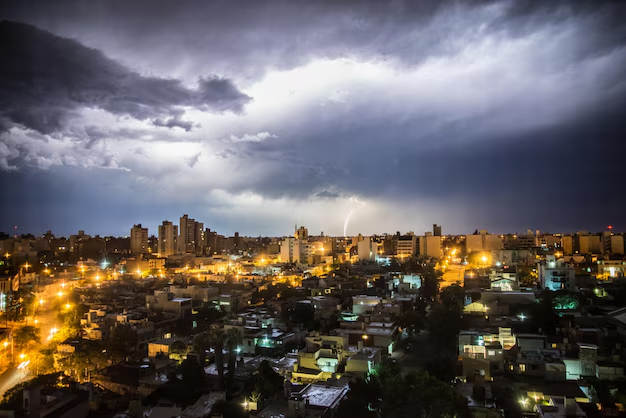
Storms in Atlanta: What to Expect and How to Be Ready in the ATL
Atlanta may be known for its tree-lined neighborhoods, busy interstates, and booming skyline, but locals also know it for its intense storms. Whether you live in Midtown, commute from Gwinnett, or are visiting Downtown for a weekend, understanding how storms in Atlanta work—and how the city responds—can make a big difference in how safe and prepared you feel.
This guide focuses specifically on storm risks in Atlanta, Georgia, what typically happens during severe weather, and the practical steps you can take before, during, and after a storm.
The Types of Storms Atlanta Usually Gets
Atlanta’s weather is shaped by its humid subtropical climate and location in the Southeast. That means you’ll most commonly encounter:
1. Thunderstorms and Heavy Rain
These are some of the most frequent storms in Atlanta, especially from spring through early fall.
You can expect:
- Short but intense downpours
- Frequent lightning
- Occasional hail
- Sudden gusty winds
Pop-up storms on hot afternoons are very common. These can flood low-lying streets and underpasses in minutes, especially in parts of Downtown, Westside, and along I-75/I-85 where drainage can be stressed by heavy rain.
2. Severe Thunderstorms and Tornadoes
Atlanta is not in the very core of “Tornado Alley,” but tornadoes and tornado-warned storms do happen, especially in:
- Early spring (March–April)
- Late fall
These storms can bring:
- Damaging straight-line winds
- Large hail
- Isolated tornadoes
Many long-time residents remember past storms that brought tornado damage into areas like Downtown, Cabbagetown, and East Atlanta. While those events are not everyday occurrences, warnings are taken seriously in the metro area.
3. Tropical Storm and Hurricane Remnants
Atlanta is far from the coast, but remnants of Gulf and Atlantic storms often track inland and pass over north Georgia.
These systems can bring:
- Extended periods of heavy rainfall
- Flooding of creeks and streams, such as along Peachtree Creek, South River, and Chattahoochee River tributaries
- Downed trees and power lines due to soggy ground and wind
Even when the storm is “only” a tropical depression by the time it reaches Atlanta, the rain and flooding risk can still be significant.
4. Winter Storms and Ice
Every few years, Atlanta may experience:
- Freezing rain or ice
- Sleet or light snow
While not as common as thunderstorms, these winter storms can shut down roads, cause major traffic problems, and lead to power outages, especially on hilly streets and shaded neighborhoods.
Key Storm Risks in Atlanta Neighborhoods
Because of its trees, terrain, and infrastructure, storms in Atlanta create certain recurring challenges.
1. Downed Trees and Power Outages
Atlanta is heavily wooded—one reason it’s often praised as a “city in a forest.” During storms:
- Fallen trees are common on residential streets, especially in older neighborhoods like Virginia-Highland, Inman Park, Grant Park, and Buckhead.
- Power outages can be widespread when storms knock trees into power lines.
Residents commonly report:
- Hours to days without power in pockets of the city after major storms
- Traffic lights out at major intersections
- Tree limbs blocking driveways or roadways
2. Flash Flooding and Road Hazards
Short, intense rain can overwhelm storm drains. In Atlanta, this often leads to:
- Flooded underpasses along major roads
- Water collecting in low-lying intersections or older drainage systems
- Creeks rising quickly, especially in neighborhoods near:
- Peachtree Creek (e.g., parts of Buckhead, Brookwood, and Lindbergh)
- South River and tributaries on the south and east side
It’s common to see road closures during heavy storms. Local authorities consistently warn drivers not to attempt to drive through flooded roads.
3. Tornado and Wind Damage
While not an everyday event, when strong storms move over the metro area:
- Roof damage, broken windows, and snapped trees can occur
- Tornado warnings may cover several counties, including Fulton, DeKalb, Cobb, Clayton, and Gwinnett
Many residents rely on phone alerts and local news to track these storms as they move rapidly through the area.
How Atlanta Communicates Storm Warnings
Understanding how alerts work in Atlanta helps you act quickly when storms hit.
National Weather Service (NWS) Warnings
Atlanta’s alerts typically come from the National Weather Service (NWS) office in Peachtree City, which covers the metro area. They issue:
- Severe Thunderstorm Watches/Warnings
- Tornado Watches/Warnings
- Flash Flood Warnings
- Special Weather Statements
These alerts are pushed to:
- Wireless Emergency Alerts on most smartphones
- Local TV and radio stations
- Weather apps and NOAA weather radios
Local Government and Agency Updates
Several agencies in the Atlanta area provide important storm-related information:
City of Atlanta – Office of Emergency Management
- Coordinates citywide emergency response and public messaging.
Fulton County Emergency Management Agency (for much of Atlanta proper)
- Assists with county-level alerts and preparation guidance.
DeKalb, Cobb, Clayton, and Gwinnett Emergency Management
- Important if you live or work outside the City of Atlanta but still in the metro.
Local residents often sign up for county-specific alert systems for text and email notifications about storms, road closures, and emergency instructions.
Where to Go if Storms Turn Serious
If a storm becomes severe, knowing your safe places in Atlanta can be crucial.
At Home in Atlanta
In most single-family homes or townhomes:
- Go to an interior room on the lowest floor (bathroom, hallway, closet) without windows.
- Avoid rooms with large trees immediately outside windows during high winds.
- In apartments or condos:
- Move to interior hallways or stairwells away from glass.
- If you’re on a high floor and a tornado warning is issued, go to a lower interior level if it’s safe to do so.
In Public Places
If you’re in a mall, office building, or stadium in Atlanta:
- Follow staff instructions; large venues like State Farm Arena, Mercedes-Benz Stadium, and major office towers usually have emergency shelter plans.
- Generally, move away from:
- Large glass windows
- Open atriums
- Seek:
- Interior hallways
- Designated shelter areas
On the Road in Atlanta
Storms can move fast. If you’re in the car:
- Avoid stopping under bridges or in flooded underpasses.
- If you see water covering a road, turn around instead of driving through it.
- During a tornado warning, if possible:
- Safely exit the highway and seek a sturdy building.
- As a last resort, some people lower themselves in a low ditch or area away from cars and trees, but this is a last-option scenario.
Practical Storm Preparation for Atlanta Residents
Preparing for storms in Atlanta doesn’t have to be complicated. A few basics can make a big difference.
Home Storm Prep Checklist
Before storm season (or as soon as possible):
- Trim trees and remove dead limbs near your house, especially around rooflines and power lines.
- Clean gutters and downspouts so heavy rain can drain properly.
- Make sure your sump pumps or drainage systems are working if your home has a basement.
- Store or secure outdoor furniture, grills, and trash bins that might blow away in strong winds.
- Keep flashlights, batteries, and a battery-powered radio in an easy-to-find place.
- Maintain a basic emergency kit, including:
- Bottled water
- Non-perishable food
- First-aid supplies
- Necessary medications
- Copies of important documents
Power Outage Preparedness
Power outages are common during storms in Atlanta. To prepare:
- Keep charged backup batteries or power banks for phones.
- Know where your flashlights and candles are (and use candles with caution).
- Consider a cooler and ice packs for short-term food preservation if you lose power.
- If you have medical equipment that needs power, plan ahead with:
- Backup power options, or
- An alternate location where you could go during an extended outage.
What to Do During a Storm in Atlanta
When storm warnings go out, taking quick, simple actions helps keep you safer.
During Heavy Rain and Thunderstorms
- Move indoors and stay away from windows.
- Unplug non-essential electronics if lightning is frequent.
- Avoid using corded phones and standing in water (such as showers) during intense lightning.
- Postpone driving if possible; storm conditions often worsen traffic on I-285, I-75, I-85, and GA 400.
During a Tornado Warning
If a tornado warning is issued for your part of Atlanta:
- Go to your identified safe space immediately (interior room, lowest floor).
- Protect your head and neck with pillows, blankets, or a mattress.
- Do not stand at windows to watch the storm.
- Keep a charged phone with you for updates and a flashlight in case power goes out.
During Tropical Storm Remnants
When Atlanta is in the path of a tropical system:
- Expect prolonged rain; move cars away from areas prone to flooding or under trees with large overhanging limbs.
- Avoid parking in low-lying garages, especially near creeks.
- Plan travel around the worst of the storm; many residents stay off the roads during peak conditions.
After the Storm: Cleanup, Safety, and Local Help
Once the storm passes, Atlanta residents often immediately focus on damage checks and cleanup.
Post-Storm Safety Basics
- Watch for downed power lines; treat all of them as live and keep your distance.
- Avoid walking or driving through standing water, which may hide:
- Open manholes
- Debris
- Strong currents in flooded creeks
- Be careful using chainsaws and ladders around damaged trees and roofs.
City and Utility Services
These local organizations are typically involved after storms:
City of Atlanta – Department of Public Works
Handles:
- Road debris
- Blocked storm drains
- Some street-level cleanup
Georgia Power (and other local utilities)
Handles:
- Power restoration
- Downed power line reports
Residents frequently:
- Report power outages directly to their power company
- Report downed trees blocking public streets or sidewalks to city or county public works departments
- Contact emergency services (911) for life-threatening situations, such as arcing power lines, fires, or trapped individuals
For non-emergency issues, people often use:
- City or county non-emergency numbers
- Online reporting forms
- Local 311 systems where available
Simple Storm Readiness Snapshot for Atlanta
Here’s a quick-reference view tailored to typical Atlanta storm concerns:
| Storm Issue | What Atlanta Residents Commonly Do | Key Local Considerations |
|---|---|---|
| Heavy Thunderstorms | Check weather apps, stay off roads if possible, bring pets indoors | Frequent lightning, quick-moving storms, rush hour impacts |
| Flash Flooding | Avoid underpasses and low-lying roads, reroute around closures | Certain intown areas flood quickly; “turn around, don’t drown” applies |
| Tornado Warnings | Move to interior rooms, monitor alerts, keep helmets or cushions handy | Warnings can cover multiple counties; watch neighborhood-specific info |
| Downed Trees/Outages | Report to city/utility, use flashlights, check on neighbors | Tree damage is common; some neighborhoods experience frequent outages |
| Tropical Remnants | Plan errands around weather, secure outdoor items, check for creek/river flooding | Extended rain can cause river and creek levels to rise over several days |
| Winter Storms/Ice | Stay off roads, stock basic supplies, watch for black ice | Even light ice can severely impact Atlanta traffic and power |
Tips for Visitors Experiencing a Storm in Atlanta
If you’re visiting Atlanta for business, a convention, or sightseeing:
- Know your hotel’s emergency procedures. Large hotels in Downtown, Midtown, and Buckhead usually have established shelter areas.
- Keep a small travel emergency kit: phone charger, flashlight app, basic snacks, bottled water.
- If a major storm is forecast, consider:
- Adjusting outdoor plans (e.g., trips to Piedmont Park, BeltLine, Zoo Atlanta, or outdoor stadiums)
- Allowing extra travel time and staying tuned to local weather updates
- Rideshares and public transit (like MARTA) may be delayed during intense storms, especially if flooding or debris affects major roads or rail lines.
Staying Storm-Smart in Atlanta
Living in or visiting Atlanta means getting used to fast-changing weather and powerful storms, but with some awareness and basic preparation, most people go through storm season safely.
Knowing:
- The types of storms Atlanta gets,
- How local warnings are issued,
- What to do before, during, and after a storm,
gives you a clear, practical roadmap for handling severe weather in the city.
Whether you’re in a Midtown high-rise, a single-family home in Southwest Atlanta, a condo in Buckhead, or a hotel Downtown, being storm-ready in Atlanta comes down to staying informed, having a simple plan, and acting quickly when warnings are issued.