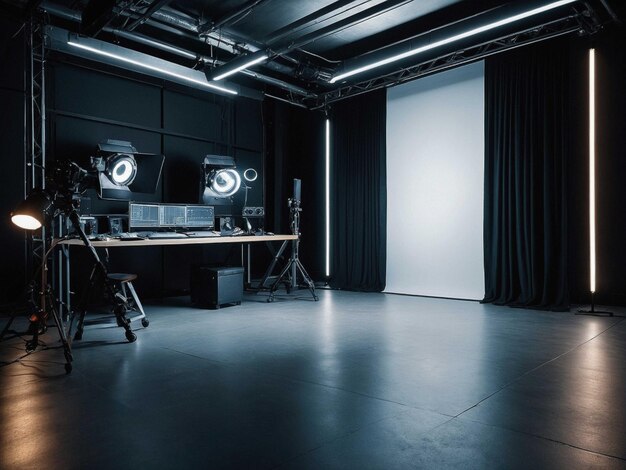
Studio Space Atlanta: How to Find the Right Creative Studio in the City
Atlanta has become a major hub for film, TV, photography, podcasting, music, and digital content creation. If you search for “studio space Atlanta,” you’ll see everything from massive soundstages to small photography lofts and rehearsal rooms.
Whether you’re a local creative, a business planning a shoot, or a visitor producing a one-time project, it helps to understand how studio space works specifically in Atlanta—where to look, what to expect, and how to choose the right space for your needs and budget.
What “Studio Space” Usually Means in Atlanta
When people in Atlanta say “studio space,” they might mean several different types of facilities:
- Film/TV soundstages – large, often warehouse-style spaces with high ceilings and drive-in access.
- Photography studios – cycloramas, natural-light lofts, themed sets, and backdrop-based studios.
- Podcast and recording studios – audio-treated rooms with mics, mixers, and sometimes engineers on-site.
- Creative flex spaces – multi-use rooms for content creators, live streams, classes, and small events.
- Dance/rehearsal studios – mirrored rooms for choreography, theatre, and performance rehearsals.
- Coworking + studio hybrids – desks, offices, and small production rooms combined.
In Atlanta, these are concentrated in certain neighborhoods and corridors, and the type of studio you need will usually determine which part of the city makes the most sense.
Key Studio Areas in Atlanta
1. Downtown, Midtown, and Old Fourth Ward
These intown neighborhoods are popular for:
- Photography and video content studios
- Creative loft spaces
- Podcast studios
- Brand shoots and corporate content
You’ll find many studios in and around:
- Midtown – near Peachtree Street, West Peachtree Street, and the Arts Center area.
- Old Fourth Ward & Edgewood – refurbished industrial buildings and lofts close to the BeltLine.
- Castleberry Hill – a historic district with brick industrial buildings and artist lofts, just southwest of downtown.
These areas are convenient if you:
- Need to be near downtown corporate offices, hotels, or attractions.
- Want city views or a creative urban backdrop.
- Don’t need extremely large soundstage-style spaces, but want polished, flexible creative studios.
2. West Midtown and the Westside
West Midtown and the surrounding Westside area have become a hotbed for:
- Photography studios
- Production warehouses
- Content creator spaces
- Design and maker studios
You’ll see many creative spaces near Howell Mill Road, Marietta Street, and in former industrial buildings that have been converted into multi-tenant creative complexes. This area can be a strong fit if you want:
- Easy loading and parking
- A mix of industrial and modern aesthetics
- Access to both I-75/85 and central Atlanta
3. Southwest Atlanta and South Metro (Near the Airport)
This part of the metro area is heavily influenced by Atlanta’s film boom. Nearby, you’ll find:
- Major film studios and soundstages
- Large warehouse-style production spaces
- Facilities positioned for easy access to Hartsfield–Jackson Atlanta International Airport
If you’re working with:
- Larger crews
- Set builds
- Vehicle access requirements
- Frequent out-of-town talent flying in
…this region can be especially practical. The airport area and nearby cities like Union City, College Park, and East Point often host bigger or more industrial-style production spaces.
4. Eastside: Decatur, Kirkwood, East Atlanta
The eastside tends to have:
- Smaller-scale photo and content studios
- Artist and maker spaces
- A mix of home-based and commercial studios
These are often good for:
- Portrait sessions
- Branding shoots
- Small video projects
- Workshops and classes
If your crew is based in Decatur, East Atlanta, or Kirkwood, booking on the eastside can cut down on cross-city travel.
Common Types of Studio Space in Atlanta
Photography & Video Studios
Atlanta is full of photography and video studios designed for:
- Portraits and headshots
- Fashion and editorial
- Product photography
- Music videos
- Social media content
Typical features:
- White or colored backdrops
- Cyc walls (cycloramas) for seamless backgrounds
- Natural light from large windows or skylights
- Continuous lighting or strobe kits available to rent
- Dressing rooms, makeup stations, and small client lounges
These studios are heavily clustered:
- West Midtown / Westside
- Old Fourth Ward / Edgewood / Inman Park
- Castleberry Hill
- Some South Atlanta and airport-adjacent locations
When comparing options, Atlanta creatives often look for:
- Ceiling height and usable shooting depth
- Window orientation (for natural light shooters)
- Noise level for video work
- Free parking vs. paid decks or street parking
Film & TV Soundstages
For narrative projects, commercials, and larger video shoots, Atlanta offers:
- Soundstages – larger, acoustically treated studios suitable for building sets.
- Warehouse conversions – big spaces used for set building and larger crews.
- Backlot-style environments – exterior areas mimicking city streets or unique settings (often in big facilities).
Most of the major, named film studios are located in the greater metro area (often outside the downtown core). For independent producers and smaller agencies based in Atlanta, it’s common to:
- Work in mid-sized stages within city limits or near the perimeter.
- Use flex studios or warehouses in industrial corridors.
- Book short-term rentals for specific shoot days.
For very large productions, many teams coordinate directly with large facilities in the metro region and then house talent and crews in downtown or Midtown Atlanta hotels for convenience.
Podcast & Recording Studios
Atlanta’s music and podcasting scene is active year-round. Across the city you’ll find:
- Podcast studios – outfitted with mics, headphones, mixers, and sometimes video recording setups.
- Music recording studios – vocal booths, control rooms, and live rooms.
- Hybrid spaces – combining podcast sets, livestream rigs, and photo/video corners.
Common locations:
- Midtown and Downtown – near businesses and media offices.
- West Midtown / Westside – in creative complexes.
- South and East Atlanta – in mixed-use and commercial strips.
When choosing a podcast or recording studio in Atlanta, people often prioritize:
- Sound treatment and noise control (especially with traffic, MARTA, and nearby trains in mind).
- Whether an engineer or producer is included.
- Parking and building access (some studios are in multi-story commercial buildings with controlled entry).
Dance, Rehearsal, and Performance Studios
Atlanta also has many:
- Dance studios
- Theatre rehearsal spaces
- Choreography and performance studios
These studios are used for:
- Professional dancers and companies
- Touring artists rehearsing tour choreography
- Local theater and indie performances
- Fitness and movement classes
You’ll find them:
- Throughout the city, with clusters in Midtown, Southwest Atlanta, and East Atlanta.
- In mixed-use commercial centers and dedicated arts complexes.
They’re often rented by the hour, half-day, or for recurring weekly time slots.
How Studio Rentals Usually Work in Atlanta
Booking Models You’ll See
Across Atlanta, studios typically rent in one of several ways:
- Hourly rentals – popular with photographers, podcasters, and small teams.
- Half-day or full-day rentals – common for video, commercial, or larger photo shoots.
- Monthly or membership-based access – for regular content creators or businesses.
- Long-term production leases – for extended shoots, ongoing shows, or recurring projects.
For many smaller to mid-sized studios, booking is done:
- Online via a booking platform
- Directly by email or phone
- Through an inquiry form with a response from the studio manager
Rates and What Affects Pricing
Rates in Atlanta vary widely depending on:
- Location (Midtown vs. further out, walkable vs. fully industrial)
- Size and ceilings (small room vs. full warehouse)
- Included equipment (lights, grip gear, backdrops, audio gear)
- Amenities (kitchen, green room, dedicated parking, freight elevators)
In general, you can expect:
- Smaller photo or podcast rooms: hourly pricing
- Larger, more specialized spaces: minimum hours or half-day/day requirements
- Bigger productions: custom quotes based on scale and needs
Deposits, Insurance, and Policies
Many Atlanta studios will require:
- Security deposits – especially for larger or higher-risk shoots.
- Proof of insurance – general liability coverage is common and often required for commercial or corporate bookings.
- Signed rental agreements – outlining use of space, overtime charges, and damage policies.
Typical policies include:
- Overtime fees if you stay past your scheduled time.
- Cleaning fees if the space is left messy or if you’re bringing large builds.
- Restrictions or extra charges for:
- Smoke or haze machines
- Glitter, confetti, or fake blood
- Large props or complex set builds
Practical Considerations Specific to Atlanta
Traffic, Timing, and Transit
Atlanta’s traffic can be significant, especially:
- Weekday mornings (roughly 7–9 AM)
- Evenings (roughly 4–7 PM)
When booking or scheduling:
- Allow extra time for crew and client arrivals, particularly if people are crossing the city or coming from the suburbs.
- If your studio is near downtown, Midtown, or Buckhead, anticipate potential delays and limited street parking.
- MARTA rail stations near certain studios (e.g., Arts Center, Midtown, Five Points, Garnett) can be useful for crew without cars, but many studios are still more accessible by car.
Parking and Loading
Many Atlanta studios are in:
- Older industrial buildings
- Refurbished warehouses
- Mixed-use commercial centers
When evaluating a space, it’s smart to ask:
- Is parking free, paid, or limited?
- Is there ground-level loading or a freight elevator?
- Are there height limits in parking decks for grip trucks or vans?
This matters a lot on busy corridors like Peachtree Street, around Midtown, or near popular BeltLine segments where parking can be tight.
Noise and Sound Issues
Because Atlanta has:
- Busy streets
- Freight train lines
- Ongoing construction in many neighborhoods
…sound-sensitive projects should consider:
- Whether the studio is near MARTA rail lines, major highways, or active train tracks.
- The time of day—some areas are noisier during rush hour or near nightlife districts.
- If the room is fully sound-treated or just “quiet enough” for typical use.
For podcasts, voiceover, and music recording, confirm that the studio is designed for audio, not just general “content creation.”
Quick Comparison: Types of Studio Space in Atlanta
| Type of Studio | Best For | Typical Areas | Common Booking Style |
|---|---|---|---|
| Photography studio | Portraits, fashion, products, branding shoots | West Midtown, O4W, Castleberry | Hourly / half-day |
| Video / content studio | YouTube, brand videos, small commercials | Midtown, Westside, South Atlanta | Hourly / half-day / full-day |
| Soundstage / warehouse | Narrative film, large sets, big crews | South Metro, industrial corridors | Full-day / multi-day |
| Podcast / audio studio | Podcasts, voiceover, small audio projects | Midtown, West Midtown, East Atlanta | Hourly |
| Dance / rehearsal studio | Choreography, theatre, performance rehearsals | Midtown, SW Atlanta, Eastside | Hourly / recurring slots |
| Creative flex space | Mixed media content, workshops, small events | Intown neighborhoods, BeltLine | Hourly / event blocks |
How to Choose the Right Studio Space in Atlanta
When narrowing down your options, focus on a few key questions:
1. What exactly are you producing?
- Photo-only: Look for good light, backdrops, and easy client access.
- Talking-head video: Prioritize quiet, controllable sound and space for lights.
- Narrative/complex shoots: You’ll likely need more square footage, higher ceilings, and possibly a soundstage.
- Podcast or music: Choose spaces specifically built and treated for audio.
2. How many people are coming?
Atlanta studios often list maximum occupancy. Consider:
- Talent and crew
- Clients, agency reps, or brand guests
- Hair/makeup, wardrobe, or behind-the-scenes content shooters
Overcrowding can make a shoot difficult; choose a space that comfortably fits your team plus equipment.
3. How will people get there?
- If your team is based all over the metro, a studio close to a major interstate or near the Perimeter (I-285) can help balance commute times.
- For out-of-town clients staying downtown or in Midtown, studios in those same areas or nearby West Midtown reduce transport hassles.
- If talent is flying in the same day, consider studios on the south side for smoother airport connections.
4. What’s your budget and schedule?
In Atlanta:
- Prime-time weekend slots and evenings may cost more or book out faster, particularly at popular photo and content studios.
- Weekday daytime rates can sometimes be easier to secure and more flexible.
- If you need frequent access (e.g., weekly podcast episodes), ask about package deals or memberships.
Tips for a Smooth Studio Experience in Atlanta
A few Atlanta-specific tips can help your shoot or session go smoothly:
Confirm building access details
Some studios are in secured buildings that require codes, call boxes, or check-in at front desks. Get these details in advance.Pad your schedule for traffic
If you’re crossing town on the Downtown Connector (I-75/85), especially near rush hour, build in extra time for arrivals.Check for special event days
Large events near Mercedes-Benz Stadium, State Farm Arena, Piedmont Park, or Georgia World Congress Center can affect traffic and parking in nearby districts.Ask about nearby food options
For longer shoot days, it’s useful to know if you’re near food in Midtown, West Midtown, Old Fourth Ward, or if you’ll need catering or delivery.Clarify A/C and climate control
In converted warehouses and older buildings, confirm whether the space stays comfortable during Atlanta’s hot, humid summers.
Helpful Local Contacts and Resources
While specific private studios change over time, a few stable Atlanta resources can help you navigate the local production ecosystem:
Atlanta Mayor’s Office of Film & Entertainment
55 Trinity Avenue SW, Suite 1750
Atlanta, GA 30303
Phone: (404) 330-6006
This office helps coordinate film-friendly policies and can be a starting point if you’re planning larger productions or need guidance on permits within the city.Georgia Film Office (State Level)
75 Fifth Street NW, Suite 1200
Atlanta, GA 30308
Phone: (404) 962-4000
They maintain information about production activity across the state and can point you toward broader resources for larger shoots in the Atlanta metro area.
These offices do not operate individual studios, but they can help you better understand Atlanta’s production environment, permitting, and general support for media projects.
By focusing on what you’re producing, where your team is coming from, and the specific features you need in a space, you can navigate the many studio space options in Atlanta with confidence—and choose a location that fits both your creative goals and the realities of Atlanta’s layout, traffic, and production culture.