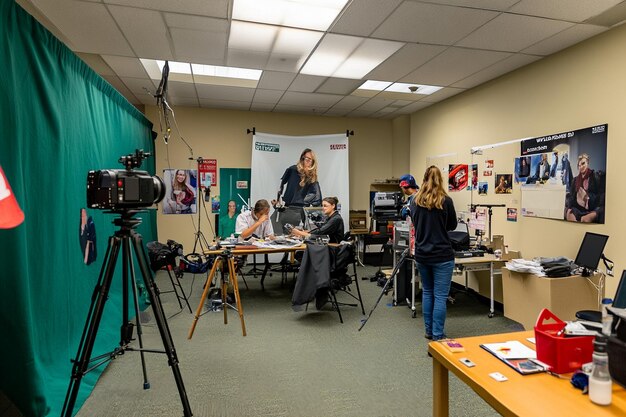
Studios in Atlanta: Where to Record, Create, and Collaborate in the City
Atlanta has grown into one of the country’s busiest hubs for film, TV, music, podcasting, and photography. If you search for “studios Atlanta,” you could be looking for anything from a recording booth for your first EP to a soundstage for a commercial shoot.
This guide walks through the main types of studios in Atlanta, how they’re typically used, what to expect in each, and how to choose the right option for your needs—whether you live here, you’re here for a project, or you’re planning a future move or production.
Types of Studios in Atlanta
Most creative and production spaces in Atlanta fall into a few big categories:
- Film and TV studios
- Music recording studios
- Podcast and voiceover studios
- Photography and video content studios
- Dance and rehearsal studios
- Shared creative studio spaces and maker spaces
Each type serves different needs, has different pricing structures, and is clustered in slightly different parts of the metro area.
Film & TV Studios in Atlanta
Atlanta is a key player in the “Y’allywood” film and TV world. A lot of large-scale productions are based around the metro area, supported by soundstages, backlots, and production campuses.
What film and TV studios in Atlanta typically offer
Larger facilities around Atlanta often include:
- Full soundstages (for narrative, commercials, and TV)
- Green screen or LED volume stages
- Production offices and conference rooms
- Wardrobe, hair, and makeup rooms
- Set construction shops and prop storage
- On-site parking and loading docks
Some campuses are designed for major studio productions, while others are sized more for indies, commercials, music videos, or streaming content.
Where film and TV production clusters in Atlanta
You’ll find major studio infrastructure within and just outside the city:
- South metro / near the airport – Popular for large studio campuses and convenient access to Hartsfield–Jackson Atlanta International Airport.
- Westside / northwest Atlanta – Increasingly home to production spaces and warehouses converted to stages.
- Suburban hubs around the metro – Many large soundstages are technically outside city limits but still serve the Atlanta production ecosystem.
If you’re visiting Atlanta for a shoot, it’s common to:
- Base talent and key crew in Midtown, Downtown, or Buckhead for hotel access and dining.
- Commute to studio campuses elsewhere in the metro for principal photography.
- Use the Georgia Film Office (60 Executive Park South NE, Atlanta, GA 30329 | main state offices) as a starting point for location and regulatory guidance.
How to approach booking a film studio in Atlanta
When reaching out to a studio, be ready to discuss:
- Type of project (feature, series, commercial, corporate, music video)
- Square footage and ceiling height requirements
- Sound needs (true soundstage vs. warehouse)
- Power requirements and rigging needs
- Union vs. non-union crew expectations
- Insurance coverage and production company registration
For smaller productions, Atlanta also has independent soundstages and cyclorama spaces that rent by the day or by the project rather than locking into long-term deals.
Music Recording Studios in Atlanta
Atlanta is globally recognized for hip-hop, R&B, trap, gospel, and pop. The city has everything from home-based production rooms to full-service commercial recording studios.
What you’ll typically find in Atlanta recording studios
Studios around the city commonly offer:
- Control rooms with professional monitoring
- Vocal booths and live rooms
- Tracking rooms for bands and ensembles
- Mixing and mastering services
- Producer rooms or writing rooms
- Session musicians and engineers (by arrangement)
Many studios cater to independent artists, not just major labels, so it’s normal for local artists to book time by hour, half-day, or full day.
Common neighborhoods and areas for music studios
Recording studios are spread around the metro, often in:
- Downtown, Midtown, and West Midtown – Accessible to artists, close to nightlife and venues.
- South Atlanta and the airport area – Popular with touring artists flying in and out.
- Northside (Buckhead, Sandy Springs, and nearby areas) – Home to a number of long-established studios and production houses.
- Eastside neighborhoods – Smaller independent and boutique spaces.
What to ask before booking a music studio in Atlanta
When contacting studios, clarify:
- Rates (hourly vs. block booking)
- Whether the price includes an engineer or producer
- Equipment list (microphones, preamps, instruments, outboard gear)
- DAW and plug-ins used (Pro Tools, Logic, Ableton, etc.)
- Parking and access (important if you’re bringing gear)
- House rules (guests, smoking/vaping, food, and late sessions)
If you’re new to the city or just getting started:
- Many studios are open to new artists and can guide you through the process.
- Some offer bundle pricing for tracking, mixing, and mastering on smaller projects like EPs or demos.
Podcast & Voiceover Studios in Atlanta
The rise of podcasting and remote voice work has created a demand for smaller, sound-treated rooms with broadcast-quality audio and easy connectivity.
Typical features of Atlanta podcast and VO studios
You’ll often see:
- Acoustically treated rooms or booths
- Podcast tables with multiple microphones and headphones
- Call-in and remote recording setups
- Video podcasting options (multi-camera setups)
- Editing and post-production services
Many are located in central areas with good transit and parking, making them practical for interviews with in-person guests.
When a dedicated podcast studio makes sense
Using a studio instead of DIY recording in an apartment or office can help when:
- You’re hosting guests or a panel and need professional sound.
- You’re creating a branded or corporate podcast.
- You need video + audio and don’t want to manage all the gear.
- You’re in town briefly and want a turnkey, “walk in and talk” setup.
When shopping around, ask about:
- Hourly or membership pricing
- On-site producer or engineer support
- Remote recording options for out-of-town guests
- File delivery (raw vs. edited, turnaround times)
Photography & Content Studios in Atlanta
For everything from portraits and fashion to product photography, social media content, and music videos, Atlanta has a range of rental photo and video studios.
What photography and content studios usually offer
Many Atlanta studios provide:
- Cyclorama walls (white, sometimes green or color options)
- Natural light lofts with large windows
- Background paper in multiple colors
- Continuous and strobe lighting (available as add-ons)
- Props, furniture, and set pieces
- Dressing rooms and makeup stations
These are often booked by:
- Photographers and videographers serving local clients
- Brands and agencies shooting campaigns or product content
- Influencers and creators doing reels, TikToks, or YouTube content
- Musicians shooting cover art and visuals
Where photo and content studios often cluster
You’ll see many studios in:
- Westside / West Midtown – Warehouses and creative loft conversions.
- Downtown and Castleberry Hill – Historic buildings and industrial lofts.
- East Atlanta and surrounding neighborhoods – Smaller, independent creative spaces.
Tips for booking a content studio in Atlanta
Ask about:
- Base rental vs. add-ons (lights, backdrops, equipment)
- Maximum occupancy and insurance requirements
- Noise levels (if you’re recording audio as well)
- Parking and freight elevators if you’re bringing sets or larger props
- Climate control (important in Atlanta summers, especially in warehouse spaces)
Dance, Rehearsal, and Performance Studios
Atlanta supports a strong dance, theater, and live performance community. If you need a space to rehearse or teach, there are studios geared exactly for that.
Typical features of dance and rehearsal studios
Most spaces provide:
- Sprung or hardwood floors
- Mirrored walls
- Sound systems for music playback
- Barres (for ballet-focused studios)
- Changing rooms and basic amenities
They’re commonly used for:
- Weekly classes (ballet, hip-hop, contemporary, cultural dances)
- Audition prep and choreography
- Theater rehearsals and blocking
- Fitness and movement classes
Studios are spread throughout the city, often near:
- Arts districts and performing arts centers
- Colleges and universities
- Neighborhood community centers
If you’re planning to rent rehearsal space, clarify:
- Whether they allow outside instructors to bring in students
- Insurance requirements for class or workshop leaders
- Availability during peak hours (evenings and weekends can fill up fast)
Shared Creative Studios & Maker Spaces
Beyond traditional media studios, Atlanta also has shared creative spaces where artists, designers, and entrepreneurs can rent:
- Desks and offices
- Workshops and fabrication areas
- Recording booths or photo bays
- Meeting and event spaces
These can be helpful if you:
- Want to build a long-term creative practice in Atlanta
- Need occasional use of high-end tools (3D printers, CNC, fabrication tools, etc.)
- Prefer being part of a community of other creatives
Membership models vary, but often include:
- Monthly or annual memberships
- Drop-in day passes
- Discounted hourly rates on specialized spaces or equipment
Quick Comparison: Types of Studios in Atlanta
Below is a simple at-a-glance guide to help you narrow down what you might need:
| Type of Studio | Best For | Typical Location Patterns |
|---|---|---|
| Film & TV soundstages | Features, TV, streaming series, large commercials | South metro, west side, and surrounding suburbs |
| Recording studios | Music, vocals, mixing, mastering | Across the metro; strong clusters in core city & north |
| Podcast/VO studios | Podcasts, audiobooks, remote interviews, voiceover | Central city and business districts |
| Photo/video studios | Portraits, fashion, content creation, product shoots | Downtown, West Midtown, Castleberry Hill, east side |
| Dance/rehearsal spaces | Classes, rehearsals, workshops, audition prep | Throughout neighborhoods and near arts centers |
| Shared creative spaces | Ongoing creative work, light production, collaboration | City core and revitalized industrial areas |
Practical Tips for Using Studios in Atlanta
A few Atlanta-specific considerations can make your experience smoother:
1. Plan around traffic and transit
Atlanta traffic can be heavy, especially during weekday rush hours. When booking studio time:
- Factor in extra travel time if you’re crossing town.
- Confirm parking availability and costs.
- If using MARTA, check how close the studio is to the nearest rail or bus stop.
2. Understand standard booking practices
Across many Atlanta studios, you’ll commonly encounter:
- Minimum booking times (often 2–4 hours for booths, longer for stages)
- Deposit requirements to hold dates
- Overtime rates if you run late
- Cancellation policies with specific cutoffs
Ask for terms in writing so expectations are clear.
3. Confirm what is and isn’t included
Studios vary widely on what’s included in the base rate. Always clarify:
- Gear (mics, lights, backdrops, cameras, instruments)
- Staff (engineers, assistants, producers, front desk)
- Amenities (Wi-Fi, kitchen access, lounge, green room)
- Security (building access after hours, on-site personnel)
4. Check local noise and usage rules
If you’re working late, loud, or with large groups, ask about:
- Building quiet hours if in mixed-use or residential areas
- Restrictions on pyrotechnics, haze, or special effects
- Insurance requirements for bigger productions or events
Where to Start If You’re New to Atlanta
If you’re not sure where to begin:
For film/TV and large productions:
Use the Georgia Film Office (a division of the Georgia Department of Economic Development, based in Atlanta) as a central resource for understanding permitting, incentives, and major facilities around the metro area.For independent creators and small teams:
Look for creative collectives, co-working spaces, and mid-sized studios that specifically mention working with independent artists, small businesses, or new podcasters.For long-term relocation:
Many Atlanta creatives start by renting project-based studio time, then transition to monthly spaces once they understand which neighborhood, commute, and community fit them best.
In Atlanta, “studios” can mean anything from a multi-soundstage film campus to a single, well-treated podcast room. By focusing on your project type, budget, and preferred part of the city, you can narrow down the options and find a studio setup that works for how you live, create, and work in Atlanta.