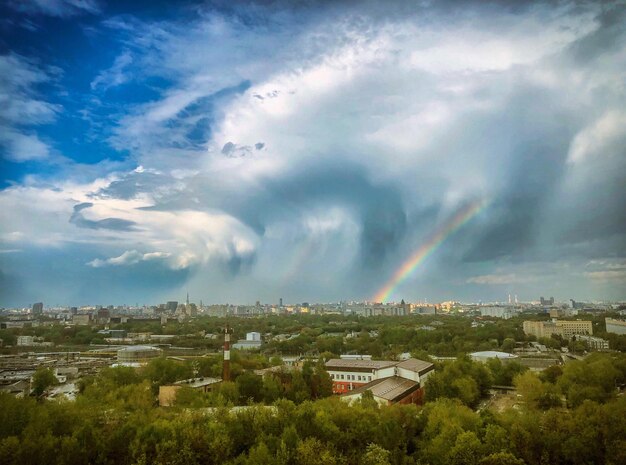
Tornadoes in Atlanta: What Residents and Visitors Need to Know
Tornadoes are not just a “Midwest” problem. Atlanta, Georgia is firmly in a tornado-prone region, and severe weather can develop quickly, especially in spring and late fall. Whether you live in the city, commute in for work, or are visiting for a few days, understanding tornado risks in Atlanta and knowing what to do can make a real difference in your safety.
Is Atlanta at Risk for Tornadoes?
Yes. Metro Atlanta regularly experiences severe thunderstorms and occasional tornadoes.
Atlanta sits in the Southeast U.S., a region known for:
- Frequent severe thunderstorms
- Fast-moving storm systems
- Nighttime storms, which can be especially dangerous because people are asleep
While not every storm produces a tornado, Atlanta has seen:
- Tornadoes in dense urban areas (including downtown in past years)
- Damage in suburbs like Cobb, DeKalb, Clayton, Fayette, and Gwinnett counties
- Severe weather outbreaks affecting air travel, major highways, and power infrastructure
For everyday life, this means Atlanta residents should treat tornado preparedness as a normal part of living here—like knowing how to drive in heavy rain or navigate I-285 traffic.
When Are Tornadoes Most Common in Atlanta?
Tornadoes can happen at any time of year, but Atlanta typically sees more severe weather:
- Primary “tornado season”:
March – May (spring) - Secondary peak:
November – early January (late fall/winter systems) - Most common times of day:
Late afternoon and evening, but overnight tornadoes do occur
Because storms can intensify quickly and sometimes hit after dark, having multiple ways to get warnings is especially important in Atlanta.
Key Tornado Terms You’ll Hear in Atlanta Forecasts
Understanding weather alerts helps you react faster:
Tornado Watch
A tornado watch means:
- Conditions are favorable for tornadoes
- You should:
- Stay aware of the weather
- Review where you’d go for shelter
- Charge your phone and portable batteries
Watches for Atlanta are usually issued by the Storm Prediction Center and shared by:
- National Weather Service (NWS) Atlanta/Peachtree City
- Local TV/radio stations
- Weather apps and alert services
Tornado Warning
A tornado warning means:
- A tornado has been sighted or indicated by radar in your area
- Take shelter immediately
In metro Atlanta, tornado warnings are often issued for specific counties and polygons, so knowing which county you’re in (Fulton, DeKalb, Cobb, etc.) is crucial.
Tornado Emergency
Occasionally, the NWS may issue a tornado emergency when a confirmed, strong tornado is moving into a populated area.
If you see this alert for part of metro Atlanta:
- Treat it as life-threatening
- Get to your lowest, safest interior shelter with no delay
Who Issues Tornado Warnings for Atlanta?
Tornado warnings for Atlanta and the surrounding metro area are issued by:
National Weather Service – Atlanta/Peachtree City Office
4 Falcon Drive
Peachtree City, GA 30269
Public Weather Info Line: 770-486-1133 (general office; not for emergencies)
They coordinate with:
- Fulton County Emergency Management
- City of Atlanta emergency services
- Local media and alert systems
For immediate emergencies, always call 911, not the NWS office.
How Tornado Alerts Reach You in Atlanta
In and around Atlanta, you might receive tornado warnings through:
- Wireless Emergency Alerts (WEA) on smartphones
Automatically sent by carriers for serious warnings, including tornado warnings. - NOAA Weather Radio
Many Atlanta residents use radios programmed for Fulton, DeKalb, Cobb, Gwinnett, and Clayton counties, among others. - Local TV and radio
Stations typically break into programming during tornado warnings with maps, radar, and tracking information. - County-based alert systems
For example, systems managed by county emergency management agencies in Fulton, DeKalb, Cobb, Gwinnett, etc. - Tornado sirens
Some parts of metro Atlanta have outdoor warning sirens. These are mainly meant for people outdoors, not as your only warning method.
👉 Tip for Atlanta residents:
Know your county, nearby major cross streets, and which side of I-285 or I-20 you’re on. Many alerts and TV graphics use these as reference points.
Where Are Tornadoes Most Likely in Atlanta?
Tornadoes can affect any part of metro Atlanta, including urban neighborhoods and suburbs. Patterns often include:
- South and west metro (Fulton, Douglas, Coweta, Fayette, Clayton) frequently see storm systems entering from Alabama.
- North and east metro (Cobb, Cherokee, Gwinnett, DeKalb, Rockdale) can experience strong storms moving along major interstates like I‑75, I‑85, and I‑20.
However:
- No part of Atlanta is completely “safe” or exempt.
- Past storm tracks don’t guarantee future safety in any neighborhood.
For planning, think in terms of your specific building and shelter options, not just which side of town you’re on.
What To Do If There’s a Tornado Warning in Atlanta
If You’re at Home (House or Townhome)
Move quickly to the safest interior space:
- Go to a:
- Basement, if you have one
- Interior room on the lowest floor (bathroom, closet, hallway) with no windows
- Stay away from exterior walls and glass
- Put as many walls between you and the outside as possible
- Get low to the ground and protect your head and neck with:
- A mattress
- Thick blankets
- Sturdy shoes and a helmet (bike or sports helmet can help)
Avoid:
- Rooms with large windows
- Rooms under large, heavy items that might collapse (like heavy furniture or appliances overhead)
If You Live in an Apartment or High-Rise in Atlanta
This is common in Midtown, Downtown, Buckhead, and other dense areas.
- Go to:
- An interior hallway, stairwell, or bathroom on the lowest floor you can reach quickly
- Avoid elevators during severe weather
- If you’re on a very high floor and cannot get lower in time:
- Move to a small interior room (bathroom or closet)
- Stay away from windows and exterior walls
- Some buildings have posted severe weather shelter areas—learn where these are ahead of time if you live or work in the building.
If You’re in a Mobile Home or Temporary Structure
Mobile homes are especially vulnerable in tornadoes.
- If a tornado warning is issued:
- Leave the mobile home and go to a sturdy building or pre-identified shelter if at all possible
- Many areas of metro Atlanta have:
- Community shelters
- Designated safe rooms in nearby public buildings
Check with:
- Local county emergency management
- Your mobile home park office or management to identify where to go before storms happen.
If You’re Driving in Atlanta During a Tornado Warning
This can happen on large interstates like I‑75, I‑85, I‑20, I‑285, GA‑400, or surface streets.
- If you can safely exit and shelter in a sturdy building, do so.
- Avoid stopping under bridges or overpasses; they can create wind tunnels and increase danger.
- If no building is available and a tornado is visible and approaching:
- Stay in the car, keep your seatbelt on
- Get as low as possible below window level
- Cover your head and neck
or - If you can safely reach a low-lying area like a ditch and there is no flooding, you may lie flat and cover your head
Driving around to “outrun” a tornado in Atlanta’s traffic is usually not realistic. Focus on getting to a sturdy building quickly and safely.
If You’re Visiting Atlanta (Hotel, Convention, or Event)
If you’re staying in a Downtown, Midtown, or airport-area hotel:
- Ask the front desk about:
- Severe weather procedures
- Designated shelter areas (often stairwells or interior hallways on lower floors)
- During a warning:
- Follow hotel staff instructions
- Avoid large glass atriums, lobbies, or open spaces
- Move to interior hallways away from windows
If you’re at a stadium, concert, or outdoor festival:
- Follow instructions from event staff or security
- Many large venues in Atlanta have weather plans and will direct people to safer areas or halt events when necessary.
Simple Atlanta Tornado Safety Checklist
Quick Reference: What To Do Before, During, and After
| Stage | What You Should Do in Atlanta |
|---|---|
| Before | Know your county, shelter spots, and how you’ll get alerts 📲 |
| Watch | Charge devices, secure outdoor items, review shelter plan |
| Warning | Go immediately to lowest interior room; avoid windows and vehicles |
| During | Protect head/neck, stay low, listen to weather radio or alerts |
| After | Watch out for downed lines, gas smells, and debris; follow local officials |
Building a Tornado “Go Kit” for Atlanta
Keeping a small emergency kit ready is practical in a city that sees severe weather and potential power outages.
Consider including:
- Battery-powered or hand-crank weather radio
- Flashlights and extra batteries
- Basic first-aid supplies
- Bottled water and simple non-perishable snacks
- Copies of important documents in a waterproof pouch
- List of important phone numbers (family, doctor, landlord, insurance)
- Sturdy shoes, work gloves, and a whistle
- Any essential medications (stored safely and rotated as needed)
Store this kit in or near your primary shelter area (interior closet, basement, or hallway).
Local Agencies and Contacts for Tornado Information in Atlanta
These organizations play a role in severe weather readiness and response:
City of Atlanta – Office of Emergency Preparedness
Often coordinates city-level planning, alerts, and preparedness programs.
City Hall (main government complex)
55 Trinity Avenue SW
Atlanta, GA 30303
Main Information Line: (404) 330-6000 (ask for emergency preparedness details)
Fulton County Emergency Management Agency (EMA)
Covers much of the City of Atlanta.
Fulton County Emergency Services
130 Peachtree Street SW, Suite 1100
Atlanta, GA 30303
Main Line: (404) 612-5700
Georgia Emergency Management and Homeland Security Agency (GEMA/HS)
State-level preparedness, including severe weather resources.
Georgia Emergency Management and Homeland Security Agency
935 E. Confederate Avenue SE
Atlanta, GA 30316
Public Information: (404) 635-7000
These offices can provide:
- County and city alert system registration information
- Preparedness guides tailored to Georgia and metro Atlanta
- Details on any community shelters or public safe rooms (where available)
What To Expect After a Tornado in Atlanta
If a tornado or serious storm impacts part of Atlanta, you may experience:
- Power outages
Georgia Power and local utilities may need time to restore service, especially if tree damage is widespread. - Blocked roads and debris
Downed trees and power lines can affect major corridors and neighborhood streets. - Detours and delays on interstates and MARTA routes
- Boil-water advisories in some cases if water systems are affected
Practical steps:
- Stay away from downed power lines and report them to your utility or 911.
- Avoid entering heavily damaged buildings until they are checked for safety.
- Listen for updates from:
- City of Atlanta
- Fulton and surrounding counties
- Local TV and radio stations
If you rent in Atlanta and your home is damaged, contact:
- Your landlord or property manager as soon as it is safe
- Your renter’s insurance provider, if you have coverage
How Visitors Can Stay Weather-Aware in Atlanta
If you’re traveling to Atlanta for business, a conference, or vacation:
- Enable location-based emergency alerts on your phone.
- Check the local forecast each day, especially in spring and late fall.
- Learn the name of your hotel’s county (many airport-area hotels are in Clayton County, while most city-center hotels are in Fulton or DeKalb).
- Ask hotel staff where the severe weather shelter areas are.
Being prepared doesn’t require detailed meteorology—just a basic sense of local risk and a simple plan.
Living in or visiting Atlanta means dealing with thunderstorms and, occasionally, tornado threats. By knowing how tornadoes are handled in the city, where to get local alerts, and where you’ll shelter if a warning is issued, you can navigate Atlanta’s weather with confidence and stay as safe as possible.