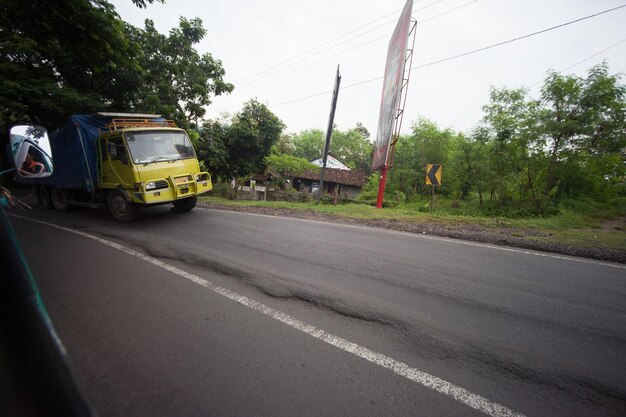
Tow Truck Services in Atlanta: What Drivers Need to Know
When you type “tow truck Atlanta” into a search bar, it usually means one thing: you need help on the road, and you need it fast. Whether you broke down on the Downtown Connector, got a flat in Buckhead, or found your car booted near Georgia State, understanding how towing works in Atlanta, Georgia can save you time, money, and stress.
This guide walks through how tow truck services work in Atlanta, how to choose a company, what to expect to pay, and what to do if your car gets towed or impounded.
Common Reasons You Might Need a Tow in Atlanta
In Atlanta, people commonly call a tow truck for:
- Breakdowns on I-75/I-85, I-20, I-285, GA-400, or major surface streets
- Accidents on busy corridors like Peachtree Street, Moreland Avenue, or Piedmont Road
- Flat tires or blowouts (especially on pothole-prone side streets)
- Dead battery or electrical issues when parked at home, work, or a shopping center
- Lockouts if keys are inside the vehicle
- Illegal parking or private property tows from apartment complexes, parking decks, or lots around Midtown and Downtown
- Relocation or long-distance transport, such as moving a non-running car to a repair shop or storage
Understanding which situation you’re in will help you decide whether to call 911, your insurance/roadside plan, or a private tow truck company.
Emergency vs. Non-Emergency Towing in Atlanta
When to Call 911 or Law Enforcement
Use 911 in Atlanta when there’s an immediate safety issue, such as:
- A crash with injuries or major damage
- A disabled vehicle in a live lane of traffic (especially on interstates)
- A vehicle posing a hazard (smoke, leaking fluids, blocking emergency access)
In these cases, Atlanta Police or Georgia State Patrol may dispatch a tow truck as part of the response, especially if the car cannot be safely driven away.
On state highways and interstates in the Atlanta area, the Georgia Department of Transportation (GDOT) operates HERO/CHAMP units that can assist with incidents and help arrange tows if needed.
When to Call a Private Tow Truck Company
For non-emergencies, like a dead battery in your driveway or a mechanical issue in a shopping center parking lot, you’ll typically call:
- Your roadside assistance provider (insurance, auto club, or vehicle manufacturer program), or
- A local Atlanta towing company directly
In these cases, you can shop around a bit for price and service, ask questions, and choose who comes out.
Types of Tow Truck Services Available in Atlanta
1. Light-Duty Towing
This covers most passenger cars, SUVs, and small trucks. Common situations:
- Breakdowns around Midtown, Buckhead, Downtown, Westside, East Atlanta, and surrounding neighborhoods
- Short-distance tows to local mechanics
- Parking lot recoveries from malls, campuses, or apartment complexes
2. Flatbed Towing
Flatbed trucks are often used for:
- All-wheel drive or luxury vehicles
- Vehicles with significant damage
- Cars with very low clearance
- Long-distance transport (for example, from Atlanta to a suburban repair shop)
If you own a high-value or modified car in neighborhoods like Vinings, Sandy Springs, or Brookhaven, you may want to specifically request a flatbed.
3. Heavy-Duty Towing
Heavy-duty tow trucks are used for:
- Buses, box trucks, semis, and large commercial vehicles
- RVs and large work vans
- Vehicles with specialized equipment
These are less common for everyday drivers but are important for commercial fleets and businesses operating around Atlanta’s industrial areas and distribution centers.
4. Roadside Assistance (No Tow Needed, If Possible)
Many Atlanta drivers also use tow truck companies for on-the-spot roadside help, including:
- Jump-starts
- Tire changes
- Fuel delivery
- Lockout assistance
- Winching (pulling a car out of a ditch or stuck area)
In some cases, a simple roadside service can get you moving again without needing a full tow, which can be cheaper and faster.
How Much Does a Tow Truck Cost in Atlanta?
Exact prices vary by company and time of day, but most Atlanta drivers will see costs broken down like this:
| Cost Component | What It Means | What to Expect in Atlanta (Typical Range) |
|---|---|---|
| Hook-up / base fee | Flat charge for dispatching the truck and loading vehicle | Commonly a flat rate |
| Per-mile charge | Fee per mile from pickup to drop-off | Often a per-mile rate after a base distance |
| After-hours fee | Extra charge for late night or holiday service | May apply, ask before confirming |
| Winching fee | Extra for pulling vehicle out of ditch/obstruction | Usually an additional flat or per-foot fee |
| Storage fees | If vehicle is taken to a storage lot or impound | Charged daily once vehicle is in the lot |
💡 Ask these questions before you agree to a tow in Atlanta:
- What is the total estimated cost, including mileage and any added fees?
- From where and to where are you calculating mileage?
- Is there an extra charge for nights, weekends, or holidays?
- Is there a separate fee if you need winching, a flatbed, or roadside services (like a jump-start)?
If you have roadside assistance through your auto insurance, credit card, or manufacturer, call them first; they may cover or cap towing charges to approved destinations in the Atlanta area.
What To Do If Your Car Is Towed in Atlanta
Sometimes your car isn’t broken down – it’s just gone. In Atlanta, cars are commonly towed for:
- Parking violations (expired meters, no-parking zones, blocking driveways)
- Unauthorized parking on private property (apartments, shopping centers)
- Certain traffic-related enforcement situations
Step 1: Figure Out Who Towed Your Car
If you believe your car was towed from a public street inside the city limits of Atlanta:
- You can contact the Atlanta Police Department non-emergency line at (404) 658-6666.
- Be ready with your license plate number, vehicle description, and last known location.
If your car was towed from private property, like an apartment complex or commercial lot:
- Look for signs at the lot entrance or near your parking spot.
- Those signs usually list the towing company’s name, phone number, and sometimes address.
- Call the listed company directly to confirm they have your vehicle.
Step 2: Confirm the Impound Lot Location and Fees
When you reach the tow company, ask:
- Exact address of the lot
- Total charges so far (including tow and storage)
- Accepted payment methods (cash, card, etc.)
- Documents required to retrieve the car (usually government-issued ID and proof of ownership or registration)
If law enforcement ordered the tow, your vehicle might be at a city-contracted or police-ordered impound lot, and procedures are more formal.
Step 3: Get Your Vehicle Back as Soon as Possible
Daily storage fees can add up quickly in Atlanta. To minimize costs:
- Retrieve the vehicle as soon as you legally can.
- If you can’t afford to fully fix it on the spot, you may consider having it towed again from the impound lot to a more affordable location (like your home or a mechanic) to stop storage fees from adding up.
Understanding Atlanta Rules on Private Property Towing
In and around Atlanta, many apartment complexes, student housing areas, and commercial lots use private tow companies to enforce parking rules.
Common rules drivers run into:
- Permit-only parking for residents and their guests
- Time-limited parking for restaurants or retail customers
- No overnight parking in some shopping center lots
- Strict enforcement in areas near Georgia Tech, Georgia State, and Midtown/Downtown offices
Before you park:
- Look for posted signs at lot entrances and near any pay stations.
- Verify whether you need a hang tag, dashboard permit, or validation ticket.
- Don’t assume free parking, especially in high-demand areas like Atlantic Station, Edgewood, or the BeltLine corridor.
If you believe your car was wrongfully towed from private property:
- Take photos of the area and signage once you’re aware of the tow.
- Keep receipts from the tow company.
- You may ask the tow company for a detailed invoice and basis for the tow, and, if needed, seek legal advice or explore local civil complaint options.
Using Roadside Assistance and Insurance in Atlanta
Many Atlanta drivers don’t realize they already have towing benefits through:
- Auto insurance policies (optional roadside coverage)
- Credit cards that provide roadside services
- New vehicle warranties or certified pre-owned programs
- Membership-based auto clubs
Common coverage features:
- Towing up to a certain number of miles per incident
- Limited number of service calls per year
- Coverage for jump-starts, tire changes, fuel delivery, and lockouts
Before you pay a private tow company out of pocket:
- Check your insurance card or app.
- Call the roadside assistance number listed.
- Ask if they dispatch directly in the Atlanta area or reimburse if you arrange your own tow.
If you arrange your own tow and plan on reimbursement, keep:
- The original receipt
- The tow company’s name, date, and mileage
- Any relevant police reports or incident details
Safety Tips While Waiting for a Tow Truck in Atlanta
Breakdowns around Atlanta can be especially stressful on busy interstates and tight in-town roads. To stay safer while you wait:
- Move your car off the road if it’s safe: onto the shoulder, a side street, or a parking lot.
- Turn on hazard lights and, if available, set out reflective triangles or flares.
- On highways like I-75/85 or I-285, if it’s unsafe to stay in the car, carefully move away from traffic behind a guardrail if possible.
- If someone offers unsolicited help and you feel uncomfortable, you can say you already have a tow coming and stay in a public, visible area if possible.
- Keep valuables out of sight, and don’t hand over your keys to anyone unless you are sure they are the dispatched tow truck operator.
How to Choose a Tow Truck Company in Atlanta
When you have the option to choose, consider:
Location and response time
- Ask how long it will take to reach areas like Downtown, Buckhead, Decatur, or College Park, depending on where you are.
Services offered
- Confirm they can provide flatbed towing, roadside assistance, or heavy-duty towing if needed.
Transparent pricing
- Ask for all fees upfront, including mileage, hook-up, after-hours, and winching if applicable.
Drop-off flexibility
- Make sure they will tow to your preferred mechanic, dealership, or home within the metro area.
Availability
- Many companies operate 24/7, which is important in a city where traffic and incidents can happen at any hour.
Key Contacts and Helpful Atlanta Resources
While specific private tow company recommendations aren’t listed here, these official and commonly used contacts can be useful:
Atlanta Police Department (non-emergency)
- Phone: (404) 658-6666
- Use for: Checking if your car was towed from a public street, non-emergency incident reports.
Emergency (citywide)
- Phone: 911
- Use for: Crashes with injuries, vehicles in dangerous positions on major roads or interstates.
Georgia Department of Transportation (GDOT) – General Info
- Main information line (widely published): (404) 631-1990
- Use for: General questions about state-managed roads and incidents (not a direct towing line, but helpful for roadway-related information).
For private property towing information, posted signs at the lot or complex are usually your best source for the exact tow company and contact details.
Having a clear plan for tow truck services in Atlanta can make a stressful moment far more manageable. Knowing who to call, what to ask, and how local towing and impound rules work puts you in a better position the next time your vehicle needs help anywhere in the Atlanta metro area.