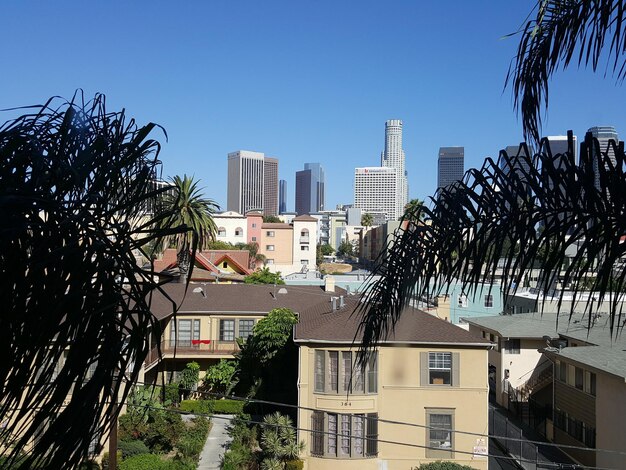
Townhouses for Rent in Atlanta: Neighborhoods, Prices, and How to Find the Right One
Looking for townhouses for rent in Atlanta puts you in a good spot: the city has a wide mix of options, from sleek, modern units near the BeltLine to quieter, family-friendly townhome communities in the suburbs. The key is understanding where to look, what’s typical for Atlanta, and how to protect yourself as a renter.
Below is a practical guide tailored to living and renting in Atlanta, Georgia.
Why Choose a Townhouse in Atlanta?
Many Atlantans choose townhouses because they strike a balance between apartment convenience and single-family home space.
Common advantages in Atlanta:
- More space than a typical apartment (often 2–3 stories, multiple bedrooms).
- Private entrances and often a garage or assigned parking.
- Outdoor areas such as small yards, patios, or balconies.
- HOA-maintained exteriors in larger communities, so you may have less yard work.
- Often located close to MARTA stations, BeltLine segments, or major job centers.
Potential tradeoffs:
- Higher rent than comparable apartments in the same area.
- HOA rules that can affect things like parking, pets, and exterior decorations.
- Shared walls, so it’s not as private as a detached home.
Key Atlanta Areas for Townhouses for Rent
Atlanta’s townhouse rental market varies a lot by neighborhood. Here’s how different areas commonly compare.
Intown & BeltLine-Friendly Areas
These are popular if you want walkability, nightlife, or short commutes.
Midtown & Old Fourth Ward
- What to expect: Modern townhomes, smaller communities, and renovated older units.
- Typical features: Rooftop decks, contemporary finishes, gated entries.
- Appeal: Close to Piedmont Park, Atlanta BeltLine Eastside Trail, MARTA Midtown Arts Center Station, and major employers.
- Tradeoff: Higher rents and competition for parking.
Inman Park, Virginia-Highland, and Poncey-Highland
- What to expect: Smaller townhome clusters and duplex-style townhomes.
- Appeal: Easy access to Ponce City Market, local restaurants, and intown trails.
- Tradeoff: Limited inventory; units rent quickly.
West Midtown & Upper Westside
- What to expect: Newer townhome communities near Howell Mill Road and Marietta Boulevard.
- Appeal: Restaurants, breweries, and relatively quick access to Downtown.
- Tradeoff: Some areas are still transitioning; check noise and traffic patterns.
Buckhead & North Atlanta
Buckhead (Peachtree, Lenox, and surrounding areas)
- What to expect: Luxury townhouses, often in gated communities.
- Appeal: Proximity to Lenox Square, Phipps Plaza, major office towers, and GA 400.
- Tradeoff: Premium pricing and stricter leasing standards (credit, income).
Brookhaven & Chamblee (just outside Atlanta city limits)
- What to expect: Townhome communities with more of a suburban feel, plus MARTA access at Brookhaven/Oglethorpe and Chamblee stations.
- Appeal: Good option if you work in Buckhead or Perimeter but want a quieter setting.
Westside, Southwest, and Near the Stadium
West End & Adair Park
- What to expect: Some townhomes near the Atlanta BeltLine Westside Trail and MARTA West End Station.
- Appeal: More budget-conscious than Midtown, plus intown convenience.
- Tradeoff: Block-by-block variation; it’s wise to visit at different times of day.
Vine City & English Avenue (near Mercedes-Benz Stadium)
- What to expect: Limited but growing townhouse-style developments.
- Appeal: Close to Downtown and major sports/entertainment venues.
- Tradeoff: Rapidly changing area; check parking, safety, and future construction plans.
Eastside Inside & Just Outside the Perimeter
Kirkwood, Edgewood, East Atlanta Village
- What to expect: Newer and renovated townhomes in mostly residential streets.
- Appeal: Neighborhood feel with local restaurants and parks such as Coan Park.
- Tradeoff: Inventory can be limited; some streets are quieter than others.
Decatur (City of Decatur & surrounding DeKalb areas)
- What to expect: Townhomes near Downtown Decatur, Emory, and CDC.
- Appeal: Walkable downtown, strong schools (for long-term planning), MARTA access.
- Tradeoff: Rents can be higher than other nearby eastside areas.
Suburban-Style Townhomes Around Atlanta
If you live, work, or study near the Perimeter (I‑285), you’ll find larger townhome communities in:
- Sandy Springs – Near GA 400, Perimeter business district.
- Dunwoody – Close to Perimeter Mall and corporate offices.
- Smyrna & Vinings – Good if you frequent The Battery Atlanta or work in Cumberland.
- Mableton & Austell – Typically more budget-friendly with a quieter feel.
These areas often feature amenities like pools, clubhouses, and shared green spaces.
Typical Features of Atlanta Townhouses for Rent
While every property is different, many Atlanta-area townhomes offer:
- 2–4 bedrooms, often with at least 2.5 bathrooms.
- Multi-level layout (garage or bonus room on lower level; main living above).
- Garage or driveway parking, sometimes tandem.
- In-unit laundry (washer/dryer or hookups).
- HOA amenities like:
- Community pool
- Fitness room
- Dog park
- Gated entry
When touring, pay attention to:
- Stairs: Many Atlanta townhomes have multiple flights—important if you have mobility concerns.
- Sound: Ask about noise between shared walls.
- Parking rules: Some HOAs are strict about guest parking and overnight street parking.
- Trash & recycling: Pickup location and days vary by community and county.
How Much Do Townhouses for Rent in Atlanta Cost?
Pricing changes with the market, but in general:
| Area Type | What You Often See | Relative Cost* |
|---|---|---|
| Midtown, Old Fourth Ward, Buckhead | Newer/luxury townhomes, walkable locations | $$$–$$$$ |
| Intown Eastside (Inman, Kirkwood) | Small communities, mixed older/newer units | $$–$$$ |
| Westside, West End | Newer clusters, some emerging areas | $$ |
| Near Suburbs (Smyrna, Decatur, etc.) | Larger communities, more amenities | $$–$$$ |
| Farther Suburbs | More space, more parking, fewer walkable spots | $–$$ |
*Relative to other Atlanta areas, not exact dollar amounts.
Your rent will also depend on:
- Number of bedrooms and bathrooms.
- Included utilities (if any).
- Garage vs. street parking.
- Age and condition of the townhome.
Where and How to Search for Atlanta Townhouse Rentals
1. Online Rental Platforms (General)
Most Atlantans start with major rental websites and apps. Use filters such as:
- Property type: Townhouse or Townhome
- Price range
- Pet-friendly
- Number of bedrooms
- Neighborhood or ZIP code (e.g., 30308 for Midtown, 30312 for Old Fourth Ward)
Set alerts for your target neighborhoods so you’re notified as soon as units come up.
2. Local Real Estate Agents and Property Managers
Many Atlanta townhouse owners use licensed real estate agents or property management companies to handle leasing.
- Larger firms often have townhome communities in Buckhead, Sandy Springs, Smyrna, and Decatur.
- If your situation is more complex (relocating, corporate move, or tight timeframes), an agent can help you narrow choices and schedule showings efficiently.
To verify a broker or agent is licensed in Georgia, you can check with the:
Georgia Real Estate Commission & Appraisers Board
229 Peachtree Street NE, International Tower, Suite 1000
Atlanta, GA 30303
Phone: (404) 656-3916
3. Driving or Walking Target Neighborhoods
In many Atlanta neighborhoods, you’ll still find “For Rent” signs in front of townhomes or posted on community boards.
Useful areas to drive or walk:
- Midtown/Old Fourth Ward around the BeltLine.
- West Midtown off Howell Mill and Marietta Boulevard.
- Smyrna/Vinings near Cumberland Parkway.
- Brookhaven/Chamblee around Peachtree Road NE.
Write down phone numbers, community names, and building numbers to follow up later.
4. Corporate, University, and Medical Area Options
If you work or study near:
- Emory University / CDC (Druid Hills/Decatur)
- Georgia Tech (Midtown/West Midtown)
- Perimeter Center (Dunwoody/Sandy Springs)
You’ll find clusters of townhomes oriented toward professionals and graduate students. Neighborhood Facebook groups and local housing boards can be useful, especially around Emory and Georgia Tech.
Understanding Lease Terms for Atlanta Townhouses
Before you sign, read your lease carefully. Common local points to watch:
Lease Length
- Many Atlanta townhome leases are 12 months.
- Some communities offer shorter terms (3–6 months), often at a higher monthly rate.
- Long-term corporate rentals or relocation packages may have custom terms.
Rent, Deposits, and Fees
Expect some combination of:
- Security deposit (often equal to one month’s rent, though it can vary).
- Application fee and sometimes a background/credit check fee.
- Pet deposit or pet fee, plus possible monthly pet rent.
- Parking or garage fees (less common for townhomes, but possible in gated/intown setups).
- Potential HOA move-in/move-out fee.
Make sure you understand:
- What’s refundable vs. nonrefundable.
- Whether the landlord or the HOA charges certain fees.
Utilities and Services
Ask who pays for:
- Water/sewer (in some communities, the HOA covers water; in others, you pay the city or county).
- Trash and recycling (may be included in rent, covered by HOA dues, or billed separately).
- Gas and electricity (usually in your name).
- Internet and cable (sometimes pre-wired to specific providers).
In the City of Atlanta, water and sewer service is commonly handled by:
City of Atlanta Department of Watershed Management
72 Marietta Street NW
Atlanta, GA 30303
Customer Service: (404) 546-0311
HOA Rules
Atlanta townhomes in planned communities often have Homeowners’ Associations. Even as a renter, you are usually expected to follow HOA rules. These can include:
- Parking restrictions and guest parking limits.
- Noise and quiet hours.
- Exterior changes (e.g., window coverings, door decor).
- Use of amenities (pool, gym, clubhouse).
- Pet limits, breed or weight restrictions, and leash rules.
Ask your landlord or property manager for a copy of the HOA rules before you sign.
Atlanta-Specific Factors to Consider Before Renting
Commute and Transportation
Atlanta traffic is known to be heavy, especially:
- On I‑285, I‑75, I‑85, GA 400, and the Downtown Connector.
- During morning and evening rush hours.
When choosing a townhouse:
- Map your commute in Google Maps or a navigation app at actual commute times.
- Consider proximity to MARTA if you prefer public transit.
- Look at access to major roads if you frequently travel for work.
Major MARTA rail stations that often appeal to townhome renters:
- Midtown, Arts Center, North Avenue (Midtown/Tech areas).
- Lindbergh Center (Buckhead/Lindbergh).
- Brookhaven/Oglethorpe, Chamblee (north DeKalb).
- West End, Ashby (Westside/Southwest).
Weather, Maintenance, and Utilities
Metro Atlanta has hot, humid summers and mild winters.
When evaluating a townhouse:
- Check HVAC age and condition; efficient units can lower cooling costs.
- Ask who is responsible for yard maintenance (you, landlord, or HOA).
- Ask if the townhome has ceiling fans, good insulation, and modern windows.
Safety and Neighborhood Fit
Safety can vary significantly, even within the same ZIP code. For an Atlanta townhome:
- Visit the area at night, in the early morning, and on weekends.
- Check lighting, how well-maintained nearby properties seem, and parking arrangements.
- Talk to neighbors, if possible, about noise and activity.
You can also contact the Atlanta Police Department non-emergency line for general community information:
Atlanta Police Department (Non-Emergency): (404) 658-6666
Protecting Yourself as a Renter in Atlanta
Verifying Ownership and Legitimacy
Rental scams are not uncommon in large cities.
Steps to protect yourself:
- Confirm that the person leasing the property is the owner or authorized manager.
- Ask for a written lease with full contact information.
- Be wary of anyone who insists on cash only or will not show the property in person.
- Do not send deposits via irreversible methods to someone you haven’t verified.
You can sometimes cross-check ownership through county property records (e.g., Fulton, DeKalb, Cobb), which are typically accessible online or via county offices.
Understanding Your Rights
Landlord–tenant issues in Atlanta follow Georgia law, often referred to as Chapter 7 of Title 44 of the Official Code of Georgia (Landlord and Tenant).
If you have questions about your rights or need guidance:
Georgia Department of Law – Consumer Protection Division
2 Martin Luther King Jr. Drive SE, Suite 356
Atlanta, GA 30334
Consumer Hotline: (404) 651-8600
They provide information on landlord–tenant laws, deposits, and dispute options, though they do not represent individual tenants.
For low-cost or free legal help, you may look for legal aid organizations in the Atlanta area that focus on housing and tenant issues.
Practical Checklist for Renting a Townhouse in Atlanta
Use this quick list while you search and tour:
Before You Tour:
- Decide on priority neighborhoods (e.g., Midtown vs. Smyrna).
- Set a realistic budget, including utilities and commuting costs.
- Check commute routes and/or MARTA options.
During Tours:
- Confirm who manages the property (owner vs. management company).
- Inspect:
- HVAC, windows, and doors
- Water pressure and hot water
- Parking situation (number of spots, guest parking)
- Ask for:
- HOA rules
- What’s included in rent (trash, water, amenities)
- Average utility costs, if available
Before Signing:
- Read the entire lease agreement and clarify any unclear terms.
- Verify fees, deposits, and key/amenity access rules.
- Get agreements about repairs, painting, or changes in writing.
- Take dated photos of the unit’s condition at move-in.
Finding the right townhouse for rent in Atlanta is mainly about matching your budget and lifestyle to the right part of the metro area, then taking the time to understand lease terms and HOA rules. With a clear search plan and knowledge of how renting works locally, you can narrow in on a townhome that fits your daily life in Atlanta—whether that means walking the BeltLine, commuting to Perimeter, or staying close to major universities and job centers.