Trees Atlanta: How to Enjoy and Support Atlanta’s Urban Forest
Atlanta is often called a “city in the forest”, and for good reason—trees are part of the city’s identity, climate, and everyday life. When people search for “Trees Atlanta,” they’re usually looking for two things:
- Information about the nonprofit organization Trees Atlanta, and
- Practical details about trees in Atlanta—planting, protection, permits, and ways to get involved.
This guide breaks down both: what Trees Atlanta is, how it fits into the city’s broader tree story, and what you can actually do as an Atlanta resident or visitor.
What Is Trees Atlanta?
Trees Atlanta is a long-established, city-focused nonprofit organization dedicated to protecting and improving Atlanta’s tree canopy. It plays a major role in:
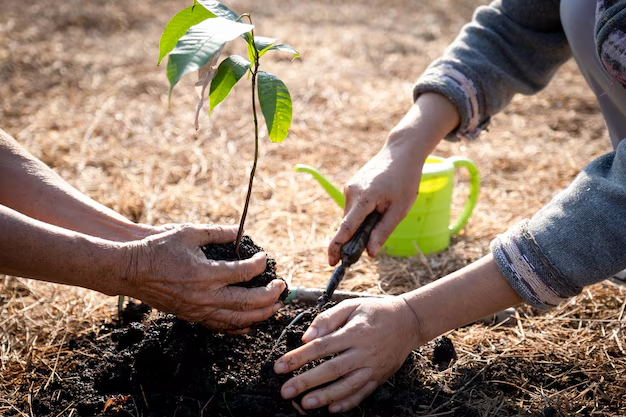
- Planting new trees in neighborhoods, parks, and along streets
- Caring for existing trees, especially young or at-risk ones
- Removing invasive plants that harm local forests
- Educating the public about trees and urban ecology
You’ll often see its volunteers and staff planting saplings along city streets, mulching in local parks, or leading classes and neighborhood walks.
Where Is Trees Atlanta Located?
Trees Atlanta operates multiple facilities, but one key public hub is the Trees Atlanta Kendeda TreeHouse:
- Trees Atlanta Kendeda TreeHouse
825 Warner Street SW
Atlanta, GA 30310
This center serves as a home base for:
- Classes and workshops on trees and native plants
- Volunteer check-ins for some projects
- Youth and community programs
Program locations may change, so checking current event details directly with the organization is helpful before you go.
Key Services and Activities of Trees Atlanta
Trees Atlanta focuses on hands-on work and community education. Here are the main things someone in Atlanta might use or participate in.
1. Tree Planting Projects
Trees Atlanta organizes regular tree plantings throughout the city, especially:
- In neighborhoods that have lost canopy
- Along major corridors and streets
- In parks, schools, and community spaces
Residents commonly:
- Join a planting event as a volunteer
- Request trees for their neighborhood (often through neighborhood partnerships or special programs)
You’ll usually see planting events more often in the cooler months, when new trees have the best chance to establish.
2. Forest Restoration & Invasive Plant Removal
Atlanta’s forests are threatened by invasive species like English ivy, kudzu, and Chinese privet. Trees Atlanta organizes workdays to:
- Remove invasive plants from parks, streambanks, and woodlands
- Restore healthier, more native understory plant communities
- Support long-term forest health in areas like the Atlanta BeltLine corridor and city parks
These projects are especially relevant if you live near a wooded area and want to understand what’s happening there or how to help.
3. Tree Care & Maintenance Support
While the City of Atlanta and private arborists handle much of the direct tree maintenance, Trees Atlanta helps by:
- Teaching residents how to care for young trees (watering, mulching, basic pruning concepts)
- Hosting neighborhood workdays to mulch and support newly planted trees
- Providing educational guidance on tree health and urban forestry
They are not a full-service tree company, but many Atlantans turn to Trees Atlanta for non-commercial guidance on how to care for their yard or street trees responsibly.
4. Education, Classes, and Walks
Trees Atlanta offers a range of educational programs, including:
- Classes on tree identification, native plants, and urban ecology
- Workshops for homeowners on how to plant and care for trees
- Youth programs and camps that teach kids about forests and wildlife
- Guided neighborhood or BeltLine walks focused on trees and local history
These programs are popular with residents who want to feel more connected to their neighborhood’s natural environment.
How Trees Atlanta Fits into Atlanta’s Larger Tree System
Understanding Trees Atlanta is easier when you see how it fits alongside city agencies and local laws.
City of Atlanta vs. Trees Atlanta
Here’s a simple comparison to clarify roles:
| Topic / Need | Who Typically Handles It in Atlanta |
|---|---|
| Enforcing tree ordinances, permits | City of Atlanta Arborist Division |
| Planting community trees, outreach | Trees Atlanta (nonprofit) |
| Tree removal on private property | Private tree services, under city rules |
| Tree care along city streets | City of Atlanta Public Works / Parks, sometimes with help from partners |
| Tree education & volunteer events | Trees Atlanta and other community groups |
If you’re dealing with a legal, permit, or enforcement issue, you usually contact the City of Atlanta, not Trees Atlanta. If you’re looking to plant, volunteer, or learn, Trees Atlanta is often the main community resource.
Living in Atlanta: What You Should Know About Trees
If you own property, rent a home, or manage a business in Atlanta, trees are more than just decoration—they’re regulated and protected.
The Basics of Atlanta’s Tree Rules (High Level)
While specific legal advice should come from the city or a qualified professional, most Atlanta residents quickly learn a few common patterns:
- Tree removal is regulated. You often need a permit to remove a tree above a certain size, even on private property.
- Street trees and right-of-way trees are generally under city authority. You typically can’t remove or heavily prune them without city approval.
- The city aims to protect the tree canopy, so violations can bring fines or required replacement plantings.
For official rules and permits, residents typically work with the:
- City of Atlanta Arborist Division
City Hall
55 Trinity Avenue SW
Atlanta, GA 30303
They handle permits, inspections, and enforcement related to trees within city limits.
Common Reasons Atlantans Contact Tree Professionals
People in Atlanta often seek help with:
- Assessing whether a tree is hazardous or diseased
- Getting guidance on root damage near driveways or foundations
- Managing storm-damaged trees after severe weather
- Understanding which trees to plant that work well in Atlanta’s climate and soils
Trees Atlanta can often help with education and general guidance, while actual cutting, removal, or detailed risk assessment is usually done by certified arborists or city staff, depending on the tree’s location and ownership.
Volunteering with Trees Atlanta
For many residents and visitors, the most direct way to support Atlanta’s canopy is to volunteer with Trees Atlanta.
What Volunteers Commonly Do
Typical volunteer activities include:
- 🌳 Planting trees in neighborhoods and parks
- 🧤 Mulching and watering young trees to help them survive
- 🌿 Pulling invasive plants in local forests
- 📚 Assisting with education events or youth programming
Some events are family-friendly, and groups like schools, companies, and community organizations often sign up together.
How to Prepare for a Volunteer Event
If you’re planning to volunteer in Atlanta with Trees Atlanta, some general tips:
- Wear closed-toe shoes and clothes that can get dirty
- Bring water, especially in warm months
- Use sun protection and, depending on the site, insect protection
- Expect to sign a waiver and follow on-site instructions
Events can range from a couple of hours to half-day sessions, so it’s helpful to review event details ahead of time.
Visiting Atlanta: Enjoying the City’s Trees
If you’re just visiting Atlanta, you can still enjoy and learn about its trees. Trees Atlanta and its partners have helped make many public spaces greener and more walkable.
Tree-Filled Places to Explore
While not exhaustive, here are some popular spots where trees and urban design come together:
Atlanta BeltLine
A major multi-use trail system with extensive tree planting and native landscaping. Trees Atlanta has been heavily involved in corridor plantings and forest restoration along parts of the BeltLine.Historic Intown Neighborhoods
Areas like Inman Park, Grant Park, Candler Park, and Virginia-Highland are known for mature street trees and shaded sidewalks.City Parks
Parks such as Piedmont Park, Grant Park, and others across the city showcase a mix of mature canopy, open lawns, and young plantings.
Ways Visitors Can Connect
Visitors often:
- Join a guided walk or public class (when available)
- Take self-guided walks along tree-lined sections of the BeltLine
- Attend public volunteer events if schedules line up
Even a short walk under Atlanta’s canopy can give a sense of why residents value local groups like Trees Atlanta.
Choosing and Planting Trees in Atlanta
Whether you’re a homeowner or managing a small property, picking the right tree for Atlanta’s conditions makes a big difference.
General Tips for Tree Selection in Atlanta
Residents commonly look for trees that:
- Tolerate hot, humid summers and occasional drought
- Fit the available space (no power line conflicts, enough room for roots)
- Support local wildlife and pollinators
Trees Atlanta and similar organizations often encourage the use of native or well-adapted species where practical, along with diverse plantings to reduce pest and disease risk.
Basic Steps to Planting a Tree in the City
For someone planting on private property in Atlanta, the general process usually looks like this:
- Check for utilities before digging.
- Confirm any HOA or neighborhood rules that might apply.
- Choose a location with enough space from buildings, sidewalks, and power lines.
- Plant during cooler seasons (fall to early spring is often recommended for better establishment).
- Water deeply and regularly in the first couple of years, especially in dry spells.
- Use mulch correctly (a shallow, wide ring—not piled against the trunk).
Trees Atlanta’s educational programs and materials often walk residents through these basics in more detail.
Getting Help: Key Tree-Related Contacts in Atlanta
For someone living in Atlanta, these are some of the main directions people typically turn:
Trees Atlanta (Nonprofit Organization)
For: Volunteering, education, community planting, forest restoration, and general tree awareness.
Primary public hub:- Trees Atlanta Kendeda TreeHouse
825 Warner Street SW
Atlanta, GA 30310
- Trees Atlanta Kendeda TreeHouse
City of Atlanta Arborist Division
For: Tree permits, enforcement of the tree ordinance, questions about protected trees, and trees in the public right-of-way.
Location:- City Hall
55 Trinity Avenue SW
Atlanta, GA 30303
- City Hall
Certified Private Arborists / Tree Services
For: Tree risk assessment, pruning, removal, and specialized care on private property, following city rules.
Knowing which group to contact makes it easier to address issues quickly and stay in line with Atlanta’s expectations for protecting its “city in the forest.”
In Atlanta, Trees Atlanta is both a symbol and a practical force behind the city’s tree-filled character. Whether you want to volunteer, learn how to care for your own trees, understand local rules, or simply enjoy shaded walks through the city, understanding Trees Atlanta and the broader urban forest system will help you make the most of living in—or visiting—Atlanta, Georgia.