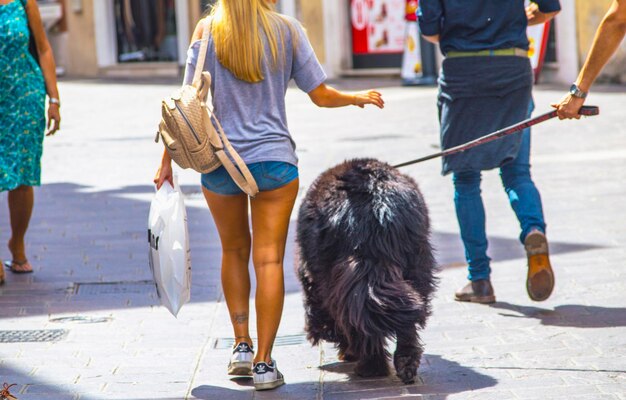
Wag Atlanta: How Dog Walking and Pet Care Services Work in the City
If you search for “Wag Atlanta”, you’re usually looking for one of two things:
- How app-based dog walking and pet sitting works in Atlanta, Georgia, or
- Where and how to safely use these services around Atlanta’s neighborhoods, parks, and apartments.
This guide walks through how on‑demand dog walking in Atlanta typically works, what to expect in different parts of the metro area, and how to use these services responsibly in the local context.
How App-Based Dog Walking Works in Atlanta
Most Atlantans using on‑demand dog walking apps follow a similar process:
Set up a profile
You add your Atlanta address, dog’s size, temperament, leash preferences, and any special notes (e.g., reactive to other dogs, pulls on leash, afraid of scooters).Request a walk or visit
You can usually choose:- On‑demand walks (as soon as someone is available nearby)
- Scheduled walks (for a certain time in the day)
- Drop‑in visits (short visits for feeding, potty breaks, or medication)
- Overnight sitting or boarding (in your home or a sitter’s home)
Match with a local walker/sitter
Services typically show walkers based near:- Your neighborhood (e.g., Midtown, Buckhead, East Atlanta, West Midtown, Old Fourth Ward)
- Your office area if you’re downtown or in places like Atlantic Station, Perimeter, or Cumberland
Walk logistics in Atlanta
Walkers may use:- Sidewalks and residential streets around your home
- Nearby neighborhood parks
- Greenways and trails if within comfortable walking distance and allowed for dogs
Updates and keys/access
In Atlanta, it’s common for:- Condo or apartment residents to leave a key with concierge or in a lockbox
- Single‑family homeowners to use lockboxes or coded locks
You’ll typically receive a visit summary, sometimes with photos, route maps, and notes about potty breaks and water.
Atlanta Neighborhood Considerations for Dog Walking
Atlanta’s neighborhoods are diverse, and that directly affects how dog walking services operate.
Intown Atlanta (Midtown, Old Fourth Ward, Virginia-Highland, Inman Park)
- Density: Lots of condos, apartments, and townhomes
- Walk style: Shorter, frequent walks on sidewalks and around blocks
- Common walking spots:
- Residential streets shaded by trees
- Near parks like Piedmont Park, Historic Fourth Ward Park, or Freedom Park (when starting nearby)
- Things to note:
- Heavier traffic on major roads (Ponce, Peachtree, 10th Street, North Ave)
- Higher foot traffic and bikes/scooters on popular corridors and the BeltLine
BeltLine Areas
Many walkers in Atlanta make use of or walk parallel to the Atlanta BeltLine.
- Pros:
- Long, continuous walking paths
- Pet‑friendly culture; you’ll see plenty of dogs
- Cons:
- Can be very crowded on weekends and evenings
- Not ideal for leash‑reactive or anxious dogs
- Walkers may adjust based on your instructions, for example:
- “Avoid BeltLine, stay on side streets”
- “OK with BeltLine early weekday mornings only”
Buckhead, Brookhaven, and North Atlanta
- Environment: More single‑family homes, some large apartment complexes, and busier roads
- Walk style: Neighborhood loops around subdivisions, cul‑de‑sacs, and local parks
- Considerations:
- More hills in some neighborhoods
- Heavier car traffic around commercial areas like Lenox, Phipps, and Peachtree Road
West Midtown, Upper Westside, and Westside
- Mix of industrial, residential, and new developments
- Many dog‑friendly apartment communities and townhomes
- Walkers may use:
- Local streets and new sidewalks
- Any on‑site pet relief areas your building provides
East Atlanta, Kirkwood, Edgewood, Grant Park, Ormewood Park
- Generally good for neighborhood walking
- Older tree‑lined streets, local parks, and a strong pet culture
- Walkers may adjust for:
- Variable sidewalk conditions
- Occasional off‑leash neighborhood dogs in certain pockets (important to note if your dog is anxious)
Using Dog Walkers Safely in Atlanta’s Heat and Weather
Atlanta’s climate shapes how responsible dog walking works here.
Heat and Humidity
Summers are hot and humid, and pavement can get very warm.
Tips you might build into your instructions:
- Limit midday walks in July–August to shorter potty breaks
- Ask for more shade, slower pace, and more water breaks
- Request walkers to test pavement with their hand or keep to grassy routes when possible
For brachycephalic breeds (short‑nosed dogs) or seniors, many owners in Atlanta favor:
- Early morning or late evening walks
- Midday drop‑in visits just for yard breaks and indoor play instead of long walks
Rain and Storms
Thunderstorms are frequent, especially in warm months.
Many Atlanta dog owners:
- Accept shorter outdoor time during heavy rain
- Ask walkers to focus on:
- Quick potty break
- Towel‑drying paws and coat
- Extra indoor interaction if your dog is okay with visitors
Dog Walking vs. Dog Parks vs. Pet Sitting in Atlanta
Here’s a quick comparison of common options in the city:
| Service Type | How It’s Used in Atlanta | Typical Use Case |
|---|---|---|
| Dog Walking (App-Based) | Walker comes to your home for a neighborhood walk | Long workdays, commuters, occasional late nights |
| Drop‑In Visit | Quick indoor/outdoor visit, food, water, litter cleanup | Puppies, senior dogs, cats, medication visits |
| Dog Park Visit | Off‑leash play at fenced areas (you usually go yourself) | Social dogs, exercise, weekend outing |
| In‑Home Pet Sitting | Sitter stays at your Atlanta home overnight | Travel, keeping pets in familiar environment |
| Boarding (Sitter’s Home) | Your dog stays in someone else’s Atlanta home | Vacations, when your dog is comfortable traveling |
Most app‑based services in Atlanta focus on walks and drop‑ins, with pet sitting and boarding as extras offered by some caregivers.
Popular Atlanta Spots Walkers May Use (When Appropriate)
Walkers usually stay within your neighborhood, but if you live nearby and explicitly request it, they might incorporate local green spaces. Some commonly referenced Atlanta areas include:
- Piedmont Park (Midtown)
- Historic Fourth Ward Park (Old Fourth Ward)
- Grant Park (Grant Park neighborhood)
- Freedom Park (Candler Park / Inman Park / Druid Hills corridors)
- Morningside Nature Preserve (for on‑leash walks, if specified and if you’re close)
Most walkers will not drive your dog to a park unless you’ve arranged that specifically and given clear permission. For many condo and apartment residents, walks stay within walkable distance of the building.
Atlanta Apartment and Condo Realities
If you live in a building or complex, there are some local patterns worth knowing.
Access and Security
Common approaches:
- Concierge desk or front office holds a key/fob (with your signed permission)
- Lockbox on your door or gate
- Digital codes for building entrances and unit doors
Atlanta property managers often have policies for third‑party services. Before booking:
- Ask your leasing office or HOA about guest access rules
- Check whether they allow:
- Outside dog walkers
- Access via concierge
- Package rooms or lobby holds for keys
On‑Site Pet Relief Areas
Many Atlanta complexes, especially in Midtown, Buckhead, West Midtown, and around the BeltLine, have:
- Small fenced dog runs
- Designated pet relief turf or gravel areas
- Waste bag stations around the property
You can note in your instructions:
- “Use on‑site dog park for quick potty, then walk around the block”
- “Dog park only for potty; my dog is not social with other dogs”
Licensing, Leash Laws, and Local Rules in Atlanta
Any dog service you use operates within Atlanta’s local rules, which are important for you to know as the owner.
Leash Rules
Within the City of Atlanta, dogs are generally required to be:
- On a leash when in public spaces (sidewalks, streets, and most parks)
- Exceptions are designated off‑leash dog parks or private property with owner permission.
Walkers in Atlanta typically:
- Keep dogs leashed at all times during walks
- Avoid interacting with other dogs unless you’ve said it’s okay and the environment is safe
Dog Licenses and Vaccinations
Fulton County (and other metro counties like DeKalb and Cobb) expect:
- Current rabies vaccination
- Compliance with local pet licensing rules, where applicable
Before booking consistent dog walking, many Atlanta pet owners:
- Keep rabies and core vaccination records handy
- Make sure tags and microchips are up to date with Atlanta contact information
If you’re unsure about your legal obligations, you can contact:
- Fulton County Animal Services
1251 Fulton Industrial Blvd NW
Atlanta, GA 30336
Main line: 404‑613‑0358
They can typically provide guidance on animal control regulations and licensing in the county.
When Dog Walking Apps Make Sense in Atlanta
Atlanta lifestyles that often rely on dog walking services include:
- Commuters driving from intown neighborhoods to Perimeter, Alpharetta, or other suburbs
- Medical and shift workers at major hospitals (Emory, Grady, Piedmont, Northside, Children’s)
- Tech and corporate employees around Midtown Tech Square, Buckhead, and Perimeter Center
- Students or faculty at Georgia Tech, Georgia State, Emory, and nearby campuses
Common scenarios:
- Long workdays where you’re away 8–10 hours
- Traffic delays on the Connector, GA‑400, or I‑285 that make it hard to get home mid‑day
- Back‑to‑back meetings or after‑work events in Midtown, Downtown, or Buckhead
- Out‑of‑town trips where you prefer in‑home pet sitting in your Atlanta residence instead of boarding
Practical Tips for Using Dog Walking Services in Atlanta
A few locally tuned ideas to make services work better for you and your pet:
1. Be Clear About Neighborhood Nuances
Include notes like:
- “Avoid crossing Peachtree; stay on this side of the street”
- “No BeltLine on weekends; too crowded for my dog”
- “Use side streets instead of [major corridor] during rush hour”
Atlanta’s traffic can be intense; smaller side streets are often safer and calmer for dogs.
2. Plan Around Events and Crowds
Intown areas often have races, festivals, and concerts that affect walking conditions, especially:
- Piedmont Park and Midtown
- Downtown near Centennial Olympic Park and State Farm Arena
- The BeltLine Eastside and Westside Trails
On days with big events, consider:
- Scheduling walks a little earlier or later
- Mentioning: “If there’s a festival nearby, keep the walk short and close to home.”
3. Address Heat and Storm Anxiety
Many Atlanta dogs develop:
- Thunderstorm anxiety in storm season
- Sensitivity to fireworks around holidays like New Year’s and Independence Day
Let your walker know if your dog:
- Is afraid of thunder and may try to bolt
- Needs to stay closer to home when the sky looks stormy
4. Confirm Building Rules
Before relying on recurring walks:
- Talk to your building or HOA to confirm:
- Where walkers should enter
- Which elevators they may use
- Where dogs are allowed to relieve themselves on property
Then pass these details along in your instructions.
If You’re New to Atlanta with a Dog
If you’ve just moved here with your dog:
- Update your address in all pet apps and microchip records to your Atlanta residence.
- Locate nearby:
- Veterinary clinics
- Emergency vet hospitals
- Pet supply stores
- Learn your county’s animal services contact info (Fulton, DeKalb, Cobb, Gwinnett, Clayton, etc.).
- Start with shorter, trial walks with a walker while you’re still in town, so you can adjust instructions based on how your dog reacts to the new environment.
Using “Wag Atlanta”–style services can fit smoothly into life in the city if you tailor your expectations to Atlanta’s neighborhoods, climate, traffic, and building rules. With clear instructions and awareness of local conditions, dog walking apps can be a practical part of caring for your pet while navigating Atlanta’s busy pace.