Wallaby Windows of Greater Atlanta: What Atlanta Homeowners Should Know
If you live in Atlanta, Georgia and are thinking about replacing your windows or patio doors, you’ve probably come across the name Wallaby Windows of Greater Atlanta. Understanding what this type of company does, how window replacement works in the Atlanta climate, and what local homeowners typically consider can help you make better decisions for your home.
Below is a clear, Atlanta-focused guide to window replacement and installation using Wallaby Windows of Greater Atlanta as the reference point, without promoting any single provider.
How Window Replacement Works in Greater Atlanta
In the Greater Atlanta area, window companies like Wallaby Windows of Greater Atlanta generally focus on:
- Replacing old or damaged windows
- Installing energy-efficient window units
- Upgrading patio doors and sliding glass doors
- Tailoring installations to local weather and building styles
Atlanta homes range from historic bungalows in Grant Park and Inman Park to newer builds in suburbs like Alpharetta, Marietta, and Decatur. A window company operating across “Greater Atlanta” is usually prepared to handle:
- Older wood-frame windows in intown neighborhoods
- Large picture windows and transoms common in suburban homes
- Townhomes and condos in areas like Midtown, Buckhead, and West Midtown
Most window replacement projects in Atlanta follow these basic steps:
- Initial consultation – A representative typically visits your home, measures existing windows, and discusses options.
- Product selection – You choose frame materials, glass types, colors, and styles that fit your home and HOA rules (if applicable).
- Quote and schedule – You receive a cost estimate and proposed installation dates.
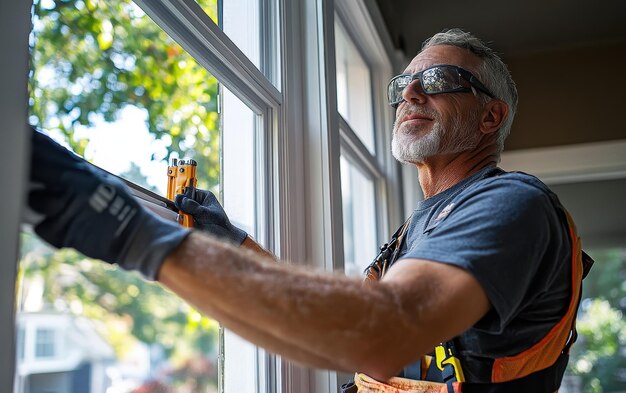
- Installation – Old windows are removed, new units installed and sealed, interior/exterior trim is adjusted or replaced.
- Final walkthrough – You review the work, ask questions, and learn basic maintenance tips.
Why Atlanta Homeowners Consider New Windows
In the Atlanta climate, windows matter more than many people realize. Local homeowners often look into companies like Wallaby Windows of Greater Atlanta for a few main reasons:
1. Heat, Humidity, and Energy Use
Atlanta summers are hot, humid, and long. Poorly sealed or single-pane windows can:
- Let in significant heat
- Make air conditioners work harder
- Cause hot spots near windows
Newer windows with insulated glass and quality weatherstripping can help keep your home more comfortable and may reduce energy waste. Many Atlanta homeowners look for:
- Double-pane or triple-pane glass
- Low-E coatings to reduce heat gain
- Gas-filled insulated glass (often argon) for better performance
2. Noise from Traffic and Development
If you live near:
- I-75, I-85, I-285, or GA 400
- Busy corridors like Peachtree Street, Ponce de Leon, or Northside Drive
- Expanding mixed-use districts like Atlantic Station, Old Fourth Ward, or Brookhaven
you may notice traffic noise or city sounds. Upgraded windows with better insulation and thicker glass can help reduce outdoor noise entering your home.
3. Aging Housing Stock
In many Atlanta neighborhoods, especially:
- East Atlanta, Kirkwood, Ormewood Park, West End
- Older suburbs like Doraville, Chamblee, and Forest Park
original windows may be decades old, painted shut, drafty, or showing rot. Replacement is often considered when:
- Sashes no longer open or close properly
- Condensation or fogging appears between panes
- Frames show water damage, warping, or mold
- You feel drafts even when windows are closed
Common Types of Windows Used in Greater Atlanta
When you talk with a provider like Wallaby Windows of Greater Atlanta, you’ll likely discuss several window styles. Here’s a simple overview tailored to Atlanta homes:
| Window Type | How It Opens | Where It’s Common in Atlanta |
|---|---|---|
| Double-hung | Two sashes slide up and down | Traditional homes in Virginia-Highland, Decatur, Grant Park |
| Single-hung | Bottom sash moves, top is fixed | Many newer builds in suburbs like Suwanee, Kennesaw |
| Casement | Hinges on the side, cranks outward | Modern homes, kitchen sinks, tight spaces |
| Slider | Sashes slide horizontally | Condos, townhomes, mid-century ranches |
| Picture | Large fixed glass, doesn’t open | Living rooms, two-story foyers, Buckhead and East Cobb homes |
| Bay/Bow | Multi-panel projecting window | Front elevations, dining rooms, traditional suburbs |
| Specialty/Shape | Arched, round, or custom shapes | Custom homes, entryways, transoms above doors |
Different neighborhood aesthetics or HOA guidelines (common in places like Johns Creek, Milton, and some Buckhead communities) may limit certain styles or exterior colors, so it’s important to check local rules before committing.
Materials Atlanta Homeowners Commonly Consider
1. Vinyl Windows
Many Atlanta homeowners choose vinyl-framed windows because they tend to be:
- Generally more budget-friendly
- Low-maintenance
- Resistant to humidity and insects
Vinyl can work well in both older bungalows and newer suburban homes, especially where cost and ease of care are priorities.
2. Fiberglass or Composite
Fiberglass or composite frames are often favored where homeowners want:
- Better stability in fluctuating temperatures
- A more refined appearance than basic vinyl
- Long-term durability in humid summers and mild winters
These can suit higher-end renovations in neighborhoods like Morningside, Ansley Park, or Sandy Springs.
3. Wood (and Wood-Clad)
True wood windows or wood-clad windows (wood inside, protective exterior finish outside) may be preferred when:
- Preserving a historic look (e.g., Grant Park, Inman Park, Druid Hills)
- Meeting historic district guidelines or local design standards
However, in Atlanta’s humidity and with frequent storms, wood usually requires more upkeep (painting, sealing, and checking for rot).
Special Considerations for the Atlanta Climate
Storms and Heavy Rains
Metro Atlanta sees strong summer storms and heavy downpours, so:
- Proper flashing and sealing around windows is critical
- Poor installation can lead to water intrusion and wall damage
- Older or damaged caulking should be replaced periodically
When speaking to a company like Wallaby Windows of Greater Atlanta, it’s worth asking how they handle:
- Sill pan flashing
- Drip caps
- Sealants appropriate for Atlanta’s exterior materials (brick, siding, stucco)
Pollen and Air Quality
Atlanta is known for its spring pollen, especially from trees like pine and oak. Many residents value windows that:
- Seal tightly to keep pollen infiltration lower
- Are easy to clean from the inside (tilt-in sashes, for example)
UV Exposure and Interior Fading
If your home has large south- or west-facing windows, intense sun can:
- Fade flooring and furniture
- Increase indoor temperatures in the afternoon
Low-E glass and certain tints can help reduce UV exposure while still letting in natural light—something many Atlanta homeowners request.
Typical Window Replacement Process in Greater Atlanta
When working with a provider like Wallaby Windows of Greater Atlanta, you can generally expect:
1. Scheduling a Home Visit
Most companies:
- Set an appointment at your home in Atlanta or nearby suburbs
- Measure existing windows and evaluate frame condition
- Discuss your goals (energy efficiency, noise reduction, appearance, resale value)
If you live in a condo or multi-unit building (common in Midtown, Buckhead, or along the BeltLine), make sure you:
- Confirm building rules for window style, color, and working hours
- Get any required approval from property management or your HOA
2. Reviewing Options and Pricing
You’ll typically choose:
- Frame material (vinyl, fiberglass, composite, possibly wood)
- Glass configuration (double-pane, Low-E, gas-filled)
- Styles (double-hung, sliders, casements, picture windows, etc.)
- Exterior and interior colors
Atlanta homeowners often compare:
- Upfront cost vs. long-term comfort
- Aesthetics for historic vs modern neighborhoods
- How windows will look with local architectural styles
3. Permits and Codes
For most single-family homes, window replacements that don’t change the size of the opening may not require extensive permitting. However:
- If you’re enlarging window openings or changing structural elements, you may need permits through your local city or county building department (e.g., City of Atlanta Office of Buildings: 55 Trinity Ave SW, Atlanta, GA 30303).
- Homes in historic districts or special zoning areas might have extra design review requirements.
It’s reasonable to ask any window provider whether they:
- Handle permits on your behalf
- Are familiar with city of Atlanta, DeKalb, Fulton, or Cobb County codes
4. Installation Day(s)
Installers usually:
- Remove old sashes and frames (if full-frame replacement)
- Prepare the opening and check for hidden damage or rot
- Install the new window, insulate gaps, and seal the perimeter
- Reinstall or replace trim as needed
In the Atlanta area, installation is often scheduled during:
- Mild seasons (spring and fall) to minimize indoor temperature swings
- Dry weather, when possible, to avoid moisture issues during installation
5. Cleanup and Inspection
After installation, a reputable local company typically:
- Hauls away old windows and debris
- Shows you how to operate locks, tilt-in sashes, and screens
- Reviews any warranty documents and care instructions
What Atlanta Residents Commonly Ask About Window Replacement
How long does a window replacement project take?
In many Atlanta homes:
- Simple replacements of a few windows may be completed in one day
- Whole-house replacements can range from one to several days, depending on home size and complexity
Urban homes with limited street parking (e.g., Old Fourth Ward, Cabbagetown) may require more planning for material delivery and staging.
Do I have to move out during installation?
Most Atlanta homeowners stay in their homes during installation. You may need to:
- Clear furniture, blinds, and curtains away from windows
- Contain pets in a separate room
- Expect moderate construction noise during working hours
When is the best time of year to replace windows in Atlanta?
Many local residents aim for:
- Spring (March–May) or fall (September–November) for milder temperatures
- Avoiding the hottest peak of summer or the rare cold snaps when possible
Professional installers work year-round, but planning around weather can make the process more comfortable.
How to Evaluate a Window Company in Greater Atlanta
When you’re considering providers like Wallaby Windows of Greater Atlanta, it’s helpful to look at:
1. Local Experience
Ask whether the company is:
- Familiar with Atlanta’s climate and construction styles
- Experienced with both historic and newer homes
- Comfortable working in city neighborhoods vs. suburban subdivisions
2. Licensing and Insurance
In Georgia, contractors performing residential work typically need to follow state and local requirements. You can:
- Confirm licensing status with relevant state or local licensing boards
- Ask for proof of liability insurance and workers’ compensation
3. Product Details and Warranties
Clarify:
- What type of glass, frame material, and hardware will be used
- Whether warranties cover glass seal failure, frame defects, and labor
- If warranty coverage is transferable to a new owner (useful in a mobile market like Atlanta)
4. Installation Practices
Questions many Atlanta homeowners ask include:
- Who will actually install the windows—in-house crews or subcontractors?
- How is the home protected from dust and debris during installation?
- How are stucco, brick, and siding handled at the exterior transitions?
Local Atlanta Agencies and Resources That May Be Helpful
While window companies handle most of the process, some official local resources can be useful if you’re planning a larger renovation or live in a regulated area:
City of Atlanta Office of Buildings
55 Trinity Ave SW, Atlanta, GA 30303
Handles permits and inspections within city limits for significant alterations.Atlanta Urban Design Commission (UDC)
Oversees historic and conservation districts inside Atlanta. If your home is in an official historic district, window changes may be subject to review.County Building Departments (for suburbs around Greater Atlanta):
- Fulton County (outside Atlanta city limits)
- DeKalb County
- Cobb County
- Gwinnett County
These offices can provide guidance if your project involves structural changes, enlarging openings, or major façade modifications.
Practical Tips for Atlanta Homeowners Before Calling a Window Company
Before reaching out to Wallaby Windows of Greater Atlanta or any similar provider, it can help to:
- Walk your home and list each window you’re concerned about
- Note drafts, condensation, or difficulty opening/closing
- Take photos of any visible damage inside and out
- Check your HOA or condo rules for color and style restrictions
- Decide whether you want to phase the project (e.g., front of house first, back later)
Having this information ready can make your consultation more efficient and focused.
Replacing windows in Greater Atlanta is about more than just appearance; it touches comfort in the summer heat, noise levels from busy streets, and how well your home stands up to local weather. Understanding how companies like Wallaby Windows of Greater Atlanta typically operate, and what matters specifically in the Atlanta environment, can help you plan a project that fits your home, neighborhood, and budget.