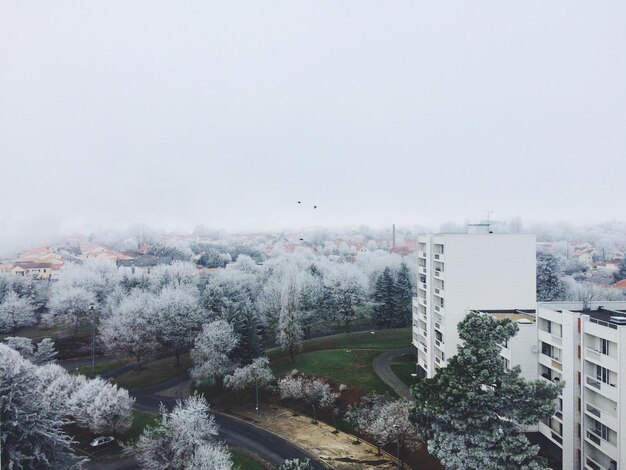
Winter Storms in Atlanta: What Residents and Visitors Need to Know
When people think of Atlanta, they usually picture heat, humidity, and summer thunderstorms—not snow and ice. But winter storms in Atlanta do happen, and when they do, they can cause major disruption across the metro area.
This guide explains how winter storms typically affect Atlanta, what to expect with roads, power, transit, schools, and flights, and how to prepare if you live in or are visiting the city.
How Winter Storms Happen in Atlanta
Atlanta usually has mild winters, but the city sits in a zone where warm, moist Gulf air can collide with cold, dry air from the north. When this happens:
- Temperatures may hover right around freezing (32°F)
- Precipitation can switch between rain, sleet, freezing rain, and snow
- Light snow can melt on contact and then refreeze as black ice overnight
That combination is what often turns a seemingly ordinary rainy day into a dangerous winter storm for Atlanta.
Key point: Even small amounts of ice or snow can shut down roads, delay flights, and close schools across the Atlanta metro area.
What “Winter Storm” Usually Means in Atlanta
In northern states, a winter storm might mean a foot of snow. In Atlanta, the bigger problem is usually ice.
Common Atlanta winter storm conditions include:
- Freezing rain that coats trees, power lines, and roads with ice
- Sleet that makes roads slick and reduces traction
- Light to moderate snow that may quickly melt and refreeze
- Black ice on bridges, overpasses, and untreated surfaces
Typical Impacts Around the City
- Interstates like I‑75, I‑85, I‑20, I‑285, GA‑400, and I‑575 may see accidents and closures
- Hilly neighborhoods (e.g., in Buckhead, Midtown, and parts of East Atlanta) can become hard to navigate
- Neighborhood streets and side roads are often untreated and can stay icy longer
- Trees and limbs may fall on roads or power lines, especially in older, tree-lined neighborhoods
Who Issues Winter Weather Alerts for Atlanta?
For the Atlanta area, winter weather alerts typically come from:
National Weather Service (NWS) – Peachtree City Office
- Covers Metro Atlanta counties such as Fulton, DeKalb, Cobb, Gwinnett, and Clayton
Atlanta-Fulton County Emergency Management Agency
- Coordinates local response and public information
You’ll commonly hear terms like:
- Winter Weather Advisory – Expect minor impacts; roads may be slick
- Winter Storm Watch – Conditions are favorable for significant snow/ice
- Winter Storm Warning – Significant winter weather is expected or ongoing
- Ice Storm Warning – Dangerous ice accumulation likely
Understanding these terms helps you decide whether to delay travel, stock up, or stay home.
How Winter Storms Affect Daily Life in Atlanta
Roads and Driving
Atlanta is heavily car-dependent, and winter weather quickly affects mobility.
Common road issues:
- Early freezing on bridges and overpasses (e.g., Downtown Connector ramps, I‑285 flyovers)
- Gridlock from a small number of crashes or stalled cars
- Limited salting and plowing compared with snow-prone cities
- Steep driveways and side streets that become difficult to climb or descend
If you must drive:
- Favor major roads and interstates over neighborhood cut-throughs
- Avoid steep grades and back roads, especially at night or early morning
- Allow extra time and leave large following distances
- Keep your gas tank at least half full in case of unexpected delays
Whenever conditions look bad, local officials often urge people not to drive unless absolutely necessary.
MARTA and Transit
Atlanta’s primary public transit provider is MARTA (Metropolitan Atlanta Rapid Transit Authority).
- Rail service (Red/Gold/Blue/Green lines) usually operates with fewer disruptions than buses, but speeds may be reduced.
- Bus routes can be detoured, delayed, or temporarily suspended, especially on hilly or narrow streets.
Key MARTA contacts:
- MARTA Customer Service: 404-848-5000
- Headquarters: 2424 Piedmont Rd NE, Atlanta, GA 30324
Check MARTA service updates before you rely on rail or bus during a winter storm.
Hartsfield-Jackson Atlanta International Airport
Winter storms can have a major impact on Hartsfield-Jackson (ATL):
- Flight delays and cancellations are common, especially in the early and late parts of the day
- Airlines may issue travel waivers, allowing you to change flights without penalty
- De-icing operations can slow down departures
If you’re flying into or out of Atlanta:
- Check your airline’s app or website frequently
- Allow extra time for security and ground transportation
- Consider staying near the airport if conditions look severe
Airport location:
Hartsfield-Jackson Atlanta International Airport
6000 N Terminal Pkwy, Atlanta, GA 30320
Schools, Colleges, and Government Offices
In the Atlanta metro, closures and delays are taken seriously when winter storms are in the forecast.
Commonly affected:
- Atlanta Public Schools (APS) and surrounding districts (Fulton, DeKalb, Cobb, Gwinnett, Clayton)
- Local colleges and universities, such as Georgia State University and Georgia Tech
- City of Atlanta and Fulton County government offices and courts
School districts typically announce:
- Full closures
- Delayed openings
- Early dismissals if a storm approaches midday
If you have children in school or appointments at public offices, check for updates the evening before and early that morning.
Winter Storm Preparedness for Atlanta Residents
You don’t need a full-blown “blizzard kit,” but basic winter storm preparedness is very useful in Atlanta, especially if ice is in the forecast.
Home Preparedness
Supplies to keep on hand:
- Bottled water and nonperishable food for 2–3 days
- Flashlights and extra batteries
- Blankets and warm clothing in case of power loss
- Manual can opener and basic utensils
- A small supply of battery-powered chargers for phones
Power outages are more likely when ice accumulates on trees and power lines, particularly in older neighborhoods with above-ground utilities.
Electric providers in the Atlanta area (for outage reporting):
- Georgia Power – customer service and outage line: 1-888-891-0938
- Cobb EMC, GreyStone Power, and other EMCs serve portions of Metro Atlanta (check your bill for your specific provider’s contact info).
Vehicle Preparedness
Because Atlanta is so car-focused, a storm can leave you stuck in traffic or unable to move your vehicle.
Helpful items to keep in your car:
- Ice scraper or small brush
- Warm blanket or extra coat
- Basic first-aid kit
- Bottled water and a few snacks
- Phone charger that works in your car
If ice is in the forecast:
- Park on level ground, not on steep driveways that might become too slick
- If possible, avoid parking under large limbs that might break under ice weight
Where to Get Local Winter Storm Information in Atlanta
When a winter storm threatens, rely on official and local sources for the most accurate, Atlanta-specific information.
Key Agencies and Contacts
| Purpose | Organization / Office | Typical Role During Winter Storms |
|---|---|---|
| Weather alerts & forecasts | NWS Peachtree City Office | Issues watches, warnings, advisories for Metro Atlanta |
| City-level emergency info | Atlanta-Fulton County Emergency Management Agency | Local preparedness, response, public updates |
| Non-emergency city services | City of Atlanta 311 – 404-546-0311 | Reports about downed trees, icy city streets, etc. |
| Power outage reporting (large utility) | Georgia Power – 1-888-891-0938 | Outage reporting and restoration updates |
| Transit updates | MARTA – 404-848-5000 | Bus and rail service changes |
| Road conditions (state routes) | Georgia Department of Transportation (GDOT) | Works on interstates and state highways |
City of Atlanta Mayor’s Office:
55 Trinity Ave SW, Atlanta, GA 30303
Fulton County Government Center:
141 Pryor St SW, Atlanta, GA 30303
Special Considerations for Visitors
If you’re visiting Atlanta during the winter and a storm is in the forecast:
- Avoid renting a car if you’re not experienced driving on ice; rely on MARTA, rideshare, or taxis when services are operating safely.
- Stay in walkable areas like Downtown, Midtown, or Buckhead where you may be able to access food and essentials on foot.
- Keep a small personal emergency kit in your hotel room (water, snacks, flashlight, backup battery).
- Monitor flight status for ATL and be prepared to extend your stay if travel becomes unsafe.
Hotels and major venues in areas like Downtown, Midtown, Buckhead, and near the airport are used to adjusting operations for storm conditions and may offer flexible arrangements when severe weather hits.
Safety Tips When Icy Conditions Hit Atlanta
A few Atlanta-specific safety reminders:
- Don’t underestimate black ice – Many of Atlanta’s worst traffic problems come from thin, invisible ice on bridges and shaded roads.
- Stay off the roads if officials advise it – Even if you feel confident driving, other drivers or sudden closures can still put you at risk.
- Use caution walking – Sidewalks in hilly neighborhoods (Virginia-Highland, Inman Park, parts of Buckhead) can be very slippery.
- Check on neighbors – Particularly older adults or people without reliable transportation or power backup.
Quick Winter Storm Checklist for Atlanta
✅ Before a storm is forecast:
- Keep basic supplies (water, nonperishable food, flashlight, batteries).
- Know your power provider and outage reporting number.
- Keep gas tank at least half full.
✅ When alerts are issued:
- Check school, work, and transit updates.
- Reschedule nonessential appointments.
- Park on flat surfaces away from large trees if possible.
✅ During the storm:
- Avoid driving unless absolutely necessary.
- Stay informed via local media and official channels.
- Use generators and alternative heat sources only as directed and in safe locations.
Understanding how a winter storm affects Atlanta—from black ice on I‑285 to MARTA delays and potential power outages—helps you make better decisions whether you live here or are just passing through. Planning ahead, staying informed, and taking conditions seriously go a long way toward staying safe when cold weather takes this warm-weather city by surprise.