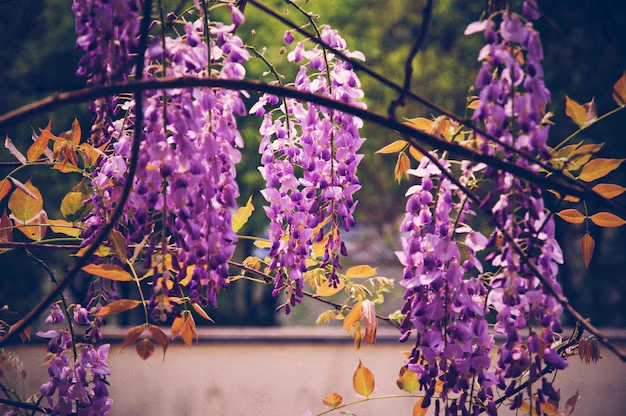
Exploring Wisteria in Atlanta: Where to See It, How It Grows, and What to Know
Wisteria is one of those plants that can stop you in your tracks in Atlanta—long, hanging clusters of purple or white flowers draping over fences, arbors, and trees in late spring. If you searched “Wisteria Atlanta,” you’re probably trying to figure out where to see it, what kind grows here, whether you can plant it at home, and how it behaves in our specific Atlanta climate.
This guide breaks it all down with a clear focus on Atlanta, Georgia—from scenic spots to safety and maintenance considerations.
What Is Wisteria and Why Is It So Common Around Atlanta?
Wisteria is a woody, twining vine known for:
- Showy, fragrant blooms in spring (typically March–May in Atlanta)
- Vigorous growth, often scrambling over trees, fences, and old structures
- A long lifespan and strong, woody stems
In and around Atlanta, you’ll most commonly see:
- Chinese wisteria (Wisteria sinensis) – very common, often naturalized and invasive
- Japanese wisteria (Wisteria floribunda) – also common and invasive in the Southeast
- American wisteria (Wisteria frutescens) – a native option used more in intentional plantings
Atlanta’s humid subtropical climate, with mild winters and long, warm springs, is ideal for wisteria. That’s why it often seems to explode with color along roadsides and wooded edges every spring.
Where to See Wisteria in Atlanta
Many people searching “Wisteria Atlanta” are looking for picture-worthy locations. While bloom time can vary year to year depending on weather, wisteria usually peaks in late March through April in the Atlanta area.
Here are some of the most reliable types of places and specific spots to look:
1. Public Gardens and Parks
Public gardens are the best bet if you want to see intentional, well-managed wisteria plantings.
Atlanta Botanical Garden (Midtown)
- Address: 1345 Piedmont Ave NE, Atlanta, GA 30309
- What to expect: Ornamental vines, including wisteria, are often incorporated into the display gardens and around structures. Bloom intensity can vary, but spring visits typically offer multiple flowering vines and flowering trees throughout the garden.
Oakland Cemetery (Southeast of Downtown)
- Address: 248 Oakland Ave SE, Atlanta, GA 30312
- What to expect: Oakland is known for its spring blooms—azaleas, irises, and various vines. In many years, you can see wisteria draped over older masonry, fences, and trees, adding to the historic atmosphere.
Grant Park & Surrounding Neighborhood
- General area: 30312
- What to expect: While not a formal “wisteria garden,” older in-town neighborhoods like Grant Park often have historic homes with pergolas, fences, and porches covered in wisteria in spring.
2. In-Town Neighborhoods with Older Homes
Older, tree-lined neighborhoods often have mature, established vines that give you classic “wisteria tunnel” views:
- Inman Park – Streets with older Victorians and Craftsman homes often feature long-established vines on porches and fences.
- Virginia-Highland and Morningside – Many front yards and side yards showcase wisteria on arbors and mailboxes in spring.
- Druid Hills – Older estates and stone walls are sometimes draped in wisteria, especially near wooded edges.
These are residential areas, so it’s best to view from public sidewalks and respect private property.
3. Roadside and Wild Growth
You’ll often see wisteria along:
- I-20, I-75/85, and I-285 corridors, especially near wooded edges
- Railroad tracks and utility rights-of-way
- Creek corridors and forest edges in and around Atlanta
In many of these spots, the wisteria is not planted on purpose. It has escaped cultivation and spread, especially Chinese and Japanese species.
Wisteria in Atlanta: Beautiful but Often Invasive
One important thing to understand in Atlanta is that not all wisteria is equal from an environmental standpoint.
Invasive vs. Native Wisteria
Most of the huge, cascading, “wild-looking” wisteria you see swallowing trees along Atlanta roads tends to be:
- Chinese wisteria (Wisteria sinensis)
- Japanese wisteria (Wisteria floribunda)
These species:
- Grow aggressively
- Climb and girdle trees
- Spread by runners and sometimes seed
- Can form dense thickets in natural areas
In contrast, American wisteria (Wisteria frutescens), native to the southeastern U.S.:
- Is generally less aggressive
- Has smaller flower clusters, usually after the leaves emerge
- Is used more often in intentional, eco-conscious landscapes
Why This Matters in Atlanta
Because Atlanta sits in a region with rich forests, creeks, and greenbelts, invasive wisteria can:
- Smother native trees and shrubs
- Outcompete local plants along creek banks and woodland edges
- Create maintenance challenges for parks, trails, and rights-of-way
Homeowners and gardeners in Atlanta increasingly choose native or non-invasive alternatives where possible, or they manage existing wisteria carefully to keep it contained.
Planting Wisteria at Home in Atlanta
If you love the look of wisteria and want it in your Atlanta yard, there are a few local considerations to keep in mind.
Choosing the Right Type
For most Atlanta-area homeowners, the main decision is:
- Avoid planting new Chinese or Japanese wisteria if you can, because of invasiveness and maintenance demands.
- Consider American wisteria (Wisteria frutescens) or other well-behaved vines as an alternative.
Before buying:
- Ask local garden centers specifically for American wisteria or clearly labeled non-invasive options.
- Confirm the botanical name on the tag, not just “wisteria.”
Site and Support
Wisteria in Atlanta does best with:
- Full sun (6+ hours) for best bloom
- Strong support – a substantial pergola, arbor, or sturdy fence
- Deep, well-drained soil
Because Atlanta storms can be intense and the vines can get heavy, many homeowners:
- Use metal or heavy wood posts rather than light lattice
- Avoid letting it attach directly to rooflines, gutters, or weak fences
Pruning and Maintenance
In Atlanta’s long growing season, wisteria can put on significant growth every year. To keep it in check:
- 🔧 Prune heavily at least twice a year (often mid-summer and late winter)
- Remove long, wandering shoots that head for trees, roofs, or neighboring yards
- Cut back suckers and runners near the base to reduce spread
- Monitor fences, railings, and structures so the vine doesn’t warp or damage them over time
For many Atlanta homeowners, the maintenance load is the main reason they either choose a native species, a different flowering vine, or hire out regular pruning.
Wisteria and Safety in Atlanta Yards
If you have kids, pets, or frequent visitors, it helps to know a few basics about safety.
Pets and Children
- Seeds and pods of many wisteria species are considered toxic if eaten.
- Dogs and children are the most likely to be curious about the hanging pods and seeds.
Common Atlanta-area precautions include:
- Avoiding placement of wisteria where small children play unsupervised
- Promptly removing fallen seed pods in play areas
- Talking with a veterinarian or pediatrician if you suspect ingestion
For urgent concerns, Atlantans typically contact:
Georgia Poison Center (serving Atlanta and statewide)
- 24/7 Emergency Line: 1-800-222-1222
- Administrative Office (Atlanta): 80 Jesse Hill Jr Dr SE, Atlanta, GA 30303
Structural Concerns
In Atlanta’s older neighborhoods, you may see vines running into:
- Attic vents
- Roof edges and gutters
- Old wooden fences
Over time, a heavy, unmanaged wisteria vine can:
- Pull on fences or posts
- Wedge into cracks and gaps
- Add weight to already-aged structures
Many Atlanta property owners bring in a local arborist or landscape professional to remove or reduce old, overgrown vines, especially on multi-story structures.
Managing or Removing Wisteria in Atlanta
If you’ve inherited an overgrown wisteria vine—or it’s started to take over a corner of your yard—there are a few common approaches in the Atlanta area.
DIY Control Steps
Homeowners often start with:
- Cutting main stems at the base
- Use loppers or a saw to sever large vines near the ground.
- Removing regrowth repeatedly
- New shoots will appear and often need to be cut back multiple times.
- Pulling young runners
- Remove small vines from soil and surrounding shrubs before they get woody.
For large vines high in trees or running into power lines, it’s generally safer to:
- Cut the vine at ground level and let the upper vine die in place, rather than trying to pull it down
- Avoid any work near electrical lines—this is where professional help is strongly preferred
When to Call in Help
In Atlanta, people commonly hire a professional when:
- The vine has climbed high into mature trees
- It is entangled near roofs, chimneys, or power lines
- They want stump treatments or long-term control as part of a larger landscape plan
Reputable tree services and landscape companies around Atlanta are typically familiar with Chinese and Japanese wisteria as invasive plants and can suggest realistic management plans.
Wisteria and Local Atlanta Ecosystems
In and around Atlanta, especially near the Chattahoochee River, Peachtree Creek, and other natural corridors, invasive vines like wisteria can affect local ecosystems.
Community and conservation groups in the Atlanta area often:
- Organize volunteer workdays to remove invasive vines (wisteria, kudzu, English ivy) from parks and nature preserves
- Encourage residents bordering natural areas to avoid planting invasive wisteria and to manage existing vines carefully
If you live near:
- Morningside Nature Preserve
- Blue Heron Nature Preserve
- Chattahoochee River National Recreation Area
- Or similar green spaces around Atlanta
…you may see notices or volunteer opportunities related to invasive plant removal, including wisteria.
Quick Reference: Wisteria in Atlanta at a Glance
| Topic | What to Know in Atlanta |
|---|---|
| Bloom season | Typically late March–April (varies with spring weather) |
| Common species seen | Mostly Chinese & Japanese wisteria (invasive), some native American wisteria |
| Best public places to see | Atlanta Botanical Garden, Oakland Cemetery, older intown neighborhoods in spring |
| Main concerns | Invasive spread in natural areas, long-term maintenance, potential toxicity of seeds |
| Good choice to plant? | Often better to choose American wisteria or alternatives, and avoid invasive types |
| Key care needs | Full sun, strong support, regular pruning, careful containment |
| Who to call for removal? | Local arborists or landscape pros, especially for large or high-climbing vines |
Tips if You’re Visiting Atlanta and Want to See Wisteria
If you’re not a local but you’re in town during spring:
- Aim for late March to mid-April for the highest chance of blooms.
- Start with Atlanta Botanical Garden for curated displays and then walk nearby neighborhoods like Virginia-Highland or Ansley Park to spot vines on older homes.
- A stroll through Oakland Cemetery or Grant Park during peak bloom can offer atmospheric views with historic architecture and mature plantings.
Checking local garden clubs, neighborhood social media pages, or seasonal photo posts can give you a sense of what’s blooming where in any given week.
Whether you’re hunting for the best wisteria photo spots in Atlanta, considering planting it in your own yard, or trying to manage a vine that’s gotten out of hand, understanding how wisteria behaves in Atlanta’s climate, neighborhoods, and ecosystems will help you enjoy its beauty while keeping it under control.