Woodward Academy in Atlanta: What Local Families Need to Know
Woodward Academy is one of the best-known private schools serving the Atlanta, Georgia area, and it frequently comes up when families here start comparing education options. Whether you live in the city, are relocating to metro Atlanta, or are just trying to understand what makes Woodward stand out, it helps to look at the school through a local lens.
This guide walks through the campuses, academics, admissions, costs, transportation, and everyday experience of Woodward Academy as it relates specifically to Atlanta families.
Where Woodward Academy Fits in Metro Atlanta
Although people often say “Woodward Academy Atlanta,” the school’s main campuses are just south of the city, in College Park and East Point, a short drive from downtown Atlanta and Hartsfield-Jackson Atlanta International Airport.
Key locations
- Main Campus (College Park)
- 1662 Rugby Avenue, College Park, GA 30337
- Houses Primary School, Lower School, Middle School, and Upper School
- Woodward North
- 6565 Boles Road, Johns Creek, GA 30097
- Serves Pre-K through 6th grade for families in north metro Atlanta
For most Atlanta families, the question is less “What is Woodward Academy?” and more “Does this school’s location, schedule, and culture work for our life in Atlanta?”
Grade Levels and School Structure
Woodward Academy serves students from Pre-K through 12th grade. In the Atlanta area, that makes it a full “start-to-finish” independent school, which many families appreciate for long-term stability.
On the main College Park campus:
- Primary School – Early childhood and younger elementary
- Lower School
- Middle School
- Upper School (High School)
At Woodward North (Johns Creek):
- Pre-K – 6th grade, with students typically transitioning to the College Park campus for Middle School and Upper School.
For Atlanta residents, this structure can simplify school changes. Instead of switching campuses or districts multiple times, a student can remain within the Woodward system while the family’s home base in Atlanta stays the same.
Academics: How Woodward Fits into the Atlanta Education Landscape
Families in Atlanta often compare Woodward to:
- High-performing Atlanta Public Schools options (such as Grady or Midtown High zones, specialized APS programs)
- Other independent schools in Buckhead, Midtown, or north Fulton
- Charter schools or magnet programs in the metro region
Academic Approach
Woodward Academy is known for:
- College-preparatory curriculum with a strong push toward four-year colleges
- Advanced courses (including honors and advanced-level options)
- Broad electives and fine arts alongside core academics
- A noticeable focus on writing, critical thinking, and math readiness
Students who live in Atlanta and attend Woodward typically face a longer commute than if they attended a neighborhood school, so many parents weigh that against the depth of academics and extracurriculars Woodward offers.
Diversity and Community in an Atlanta Context
Atlanta is a large, diverse metro area, and many families want a school environment that reflects that reality.
Woodward Academy is often described as:
- Socioeconomically and racially diverse compared with many independent schools
- Drawing students from a wide geographic spread, including:
- In-town Atlanta neighborhoods (Grant Park, Midtown, Virginia-Highland, West End, Buckhead)
- South Fulton and Clayton County
- North Fulton and Gwinnett (especially for those at Woodward North)
- Surrounding suburbs across the metro area
This wide catchment area means students interact daily with peers from many parts of Greater Atlanta, not just one ZIP code or neighborhood.
Campus Life and Facilities for Atlanta Students
Main Campus (College Park)
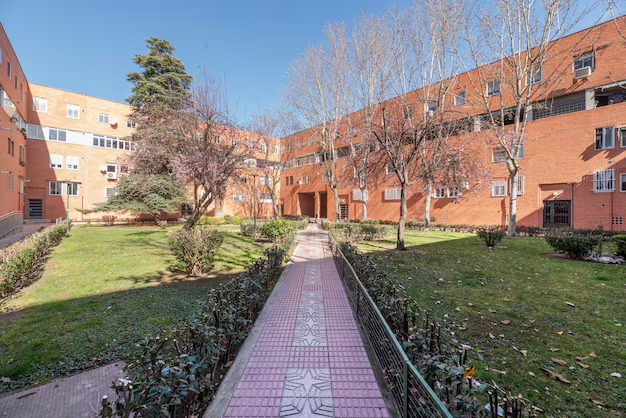
The College Park campus is large, traditional, and walkable, with:
- Classroom buildings separated by lawns and quads
- Dedicated facilities for:
- STEM and sciences
- Arts, music, theater, and visual arts
- Athletic fields, tracks, and gyms
For families used to smaller in-town campuses or crowded city schools, Woodward’s grounds can feel more like a small college.
Athletics and Extracurriculars
Woodward participates in Georgia high school athletics and offers:
- Team sports (football, soccer, basketball, track and field, baseball, tennis, and more)
- Individual and club sports depending on season
- Fine arts programs, including:
- Band, orchestra, chorus
- Theater arts and productions
- Visual arts, design, and related clubs
- Academic and service clubs that appeal to many Atlanta-focused interests, such as:
- Community service in nearby neighborhoods
- Cultural and language clubs
- STEM and robotics teams that compete across the region
For Atlanta families, this can reduce the need to piece together after-school programs scattered across the city, since many options exist on campus.
Getting To and From Woodward from Atlanta
One of the most practical questions Atlanta parents ask: “Is the commute realistic?”
Driving and Commute Considerations
The College Park campus is near major routes:
- I-85
- I-285
- Domestic and International terminals of Hartsfield-Jackson
Approximate drive times in typical (non-incident) traffic:
- From Downtown Atlanta: about 15–25 minutes
- From Midtown/Buckhead: roughly 25–40 minutes, depending on rush-hour conditions
- From East Atlanta/Decatur area: about 20–35 minutes, with variability based on I-20 and surface streets
Morning and afternoon traffic patterns around the airport and interstates matter. Many Atlanta families build their weekday schedules around:
- Leaving earlier to avoid I-85 congestion
- Working remotely or from offices closer to College Park
- Carpooling with other Woodward families living in the same neighborhood
Bus and Transportation Options
Woodward Academy typically offers bus routes that cover multiple parts of metro Atlanta. Route availability can change, but often includes stops in:
- In-town neighborhoods (e.g., Virginia-Highland, Morningside, Midtown/Buckhead corridors)
- Northside suburbs
- Other major residential pockets
For many city families, these bus routes are what make attendance logistically possible, especially when both parents work in different parts of Atlanta.
👉 Tip: When considering Woodward, ask specifically about current bus routes and pick-up/drop-off times for your neighborhood. A 10-minute stop near Grant Park is very different from a 40-minute ride across multiple in-town pickups.
Admissions: How the Process Typically Works for Atlanta Families
Woodward Academy admissions feel similar to many other independent schools in Atlanta, with several common steps.
Typical Admission Components
While exact requirements can vary by grade level, families can expect:
- Application form and application fee
- Prior report cards or transcripts
- Teacher recommendations
- Standardized testing or school-based assessments, especially for older students
- A student and/or family interview or visit day
Because Woodward draws heavily from across metro Atlanta, the admissions office is used to working with:
- Students from Atlanta Public Schools (APS)
- Nearby districts like Fulton County, DeKalb, Cobb, Clayton, Gwinnett, and Henry
- Other private and parochial schools
Timing
In the Atlanta private school cycle, priority deadlines for the following school year often fall:
- Late fall to winter for applications
- Late winter to early spring for decisions
Many Atlanta parents also align Woodward applications with those to:
- Other independent schools (Buckhead, Midtown, north Fulton, Decatur)
- APS or other district magnet and charter lotteries
Planning ahead can help reduce stress when juggling multiple application timelines.
Tuition, Fees, and Financial Considerations
As a private independent school, Woodward Academy charges tuition, which varies by grade level and can be a significant investment for many Atlanta families.
Common cost elements to plan for:
- Base tuition (higher for upper grades than lower)
- Fees for:
- Books and supplies
- Technology (e.g., laptops or tablets if required)
- Athletics or specific extracurriculars
- Bus transportation (if used)
- Meals, uniforms, and incidentals
Financial Aid
Like many independent schools in the Atlanta area, Woodward typically offers need-based financial aid. Families are usually asked to:
- Submit financial information through a standard assessment service
- Provide documentation on income and expenses
- Reapply for aid on a yearly basis
For Atlanta residents, this can make the school accessible to families from a broader range of income levels, though aid is competitive and not guaranteed.
Woodward North vs. College Park: Which Makes Sense if You’re in Atlanta?
If you live inside the Perimeter (ITP) or close to downtown/midtown:
- The College Park main campus tends to be the more practical daily commute for all grades, especially Middle and Upper School.
- Some families in north Atlanta may still consider Woodward North for the early years if they live closer to Johns Creek or plan to move north.
If you’re based in north metro Atlanta (Alpharetta, Johns Creek, Duluth, etc.):
- Woodward North (Pre-K–6) can be more convenient while children are young.
- The transition to College Park around 7th grade means planning for a new commute pattern or bus route at that time.
Atlanta families often map out:
- Where they expect to live long term
- Which campus best aligns with that plan
- Whether they are prepared for the change in commute when moving from Woodward North to the College Park campus
How Woodward Compares to Other Atlanta Options
Families in Atlanta typically compare Woodward with:
- Public school options, including:
- Neighborhood APS schools
- Specialized programs such as charters or magnets
- Other independent schools (large and small) across:
- Buckhead
- Midtown
- Decatur
- North Fulton and Cobb
Common reasons Atlanta parents lean toward Woodward include:
- Desire for a large, resource-rich campus with many academic and extracurricular choices
- Interest in a diverse student body that reflects metro Atlanta
- Value placed on stability from Pre-K or elementary through high school
Common reasons some choose alternatives:
- Preference for a shorter daily commute within their own neighborhood
- Seeking a smaller school community
- Budget considerations or preference for public magnet/charter pathways
Quick Reference: Key Woodward Academy Details for Atlanta Families
| Topic | What Atlanta Families Should Know |
|---|---|
| Location | Main campus in College Park, just south of Atlanta; Woodward North in Johns Creek. |
| Grades Served | Pre-K–12 overall; Woodward North is Pre-K–6, College Park includes all divisions. |
| Commute & Transportation | Accessible via I-85/I-285; school bus routes from several Atlanta neighborhoods and suburbs. |
| Academic Focus | College-prep, broad course offerings, strong arts and extracurriculars. |
| Student Body | Draws from across metro Atlanta, generally considered diverse for an independent school. |
| Admissions | Competitive; applications typically due in late fall/winter for next school year. |
| Cost & Aid | Private school tuition with additional fees; need-based financial aid typically available. |
How to Take Next Steps if You’re in Atlanta
If you’re thinking about Woodward Academy from inside the Atlanta area, it can help to:
Visit the campus
Schedule a tour of the College Park campus (and Woodward North, if relevant to your child’s age and your location).Ask specific, Atlanta-focused questions
- What bus routes serve your neighborhood?
- How do start and end times match your work commute within the city?
- What after-school options exist for days when traffic is heavier?
Compare it with your local options
Look at your zoned public schools, magnets, charters, and other independents within driving distance, to see how Woodward fits into the broader Atlanta school landscape.Talk with other Atlanta parents
Many neighborhoods in Atlanta—especially in-town areas and southside communities—have families already attending Woodward. Their insight on real-life commute times, homework load, and student experience can be especially helpful.
Thinking about Woodward Academy as an Atlanta choice—rather than just in isolation—will help you decide whether its location, culture, and resources match what you want for your family’s life in the city.