
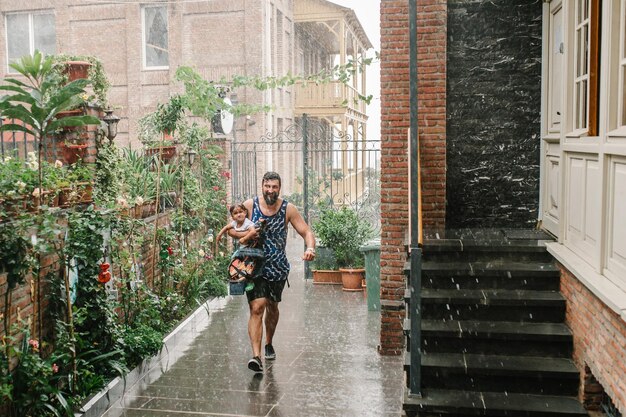
Atlanta, GA Weather News: What To Know, What To Watch, and How To Prepare
Atlanta’s weather can swing from sunny and mild to stormy and steamy in a matter of hours. If you live in Atlanta, commute around the metro area, or are planning a visit, understanding Atlanta, GA weather news helps you plan your day, stay safe, and avoid surprises on the roads and at the airport.
This guide walks through how Atlanta’s weather typically behaves, the seasonal patterns, severe weather risks, and the most useful local sources and tips for staying on top of what’s happening in the sky over the city.
How Atlanta Weather Typically Feels Through the Year
Atlanta sits in the southeastern U.S. and has a humid subtropical climate. That means:
- Hot, humid summers
- Mild, changeable winters
- Thunderstorms and heavy rain possible most months
- Occasional tropical moisture from systems in the Gulf or Atlantic
Here’s a simple overview of what to expect:
| Season | Typical Feel in Atlanta | Common Weather Headlines |
|---|---|---|
| Winter | Cool to cold, often mild | Cold rain, brief freezes, occasional wintry mix |
| Spring | Mild to warm | Thunderstorms, pollen, quick temperature swings |
| Summer | Hot and very humid | Heat alerts, afternoon storms, air quality alerts |
| Fall | Comfortable, drier | Cool mornings, pleasant days, fewer storms |
These are general patterns, and daily weather news will zoom in on spikes in heat, strong storm systems, and any winter weather that could affect schools, flights, and commutes.
Seasonal Weather News in Atlanta: What Locals Watch For
Winter in Atlanta (December–February)
Atlanta winters are usually cool and damp, not deeply cold, but weather news often focuses on:
- Cold rain and chilly mornings
- Light freezes that can cause black ice on bridges and overpasses
- Rare snow or ice events that can still cause big travel problems
- School delays or closures when roads turn slick
Snow and ice are infrequent, but when they do happen, even a small amount can trigger:
- Major traffic delays
- Flight disruptions at Hartsfield–Jackson Atlanta International Airport (ATL)
- Emergency messaging from the City of Atlanta and Georgia Department of Transportation (GDOT)
If winter weather is in the forecast, it’s wise to follow local TV weather segments, radio, or weather apps closely, especially for early-morning commute updates.
Spring in Atlanta (March–May)
Spring is one of the most pleasant times in Atlanta, but weather news often highlights two big themes:
Thunderstorms and Severe Weather
- Strong to severe storms, especially in March, April, and May
- Frequent lightning, heavy rain, and gusty winds
- Occasional tornado watches and warnings in the metro area
- Local newscasts often track storm “cells” neighborhood by neighborhood
High Pollen Levels
- Atlanta is known for very high spring pollen counts, especially from trees
- Weather segments may include pollen forecasts and daily pollen levels
- Many locals check pollen info to decide when to open windows, exercise outside, or plan yard work
Summer in Atlanta (June–September)
Summer weather news in Atlanta is dominated by heat, humidity, and storms.
Key topics you’ll hear in local weather updates:
Heat Index and Heat Advisories
- Afternoon highs commonly reach the upper 80s and 90s, with humidity making it feel hotter
- Weather forecasters often mention “feels like” temperatures
- Local news may highlight cooling centers or safety tips during heat waves
Afternoon and Evening Thunderstorms
- Pop-up storms are common, especially in late afternoon
- Downpours can cause flash flooding on city streets, underpasses, and low-lying areas
- Outdoor events, sports, and festivals often watch radar closely for lightning delays
Tropical Influences
- Remnants of tropical storms or hurricanes can reach Atlanta, mainly from late summer into early fall
- Weather coverage usually emphasizes heavy rain, wind gusts, and flooding potential more than coastal-type hurricane conditions
Fall in Atlanta (October–November)
Fall is usually comfortable and relatively calm:
- Cooler mornings, mild afternoons
- Generally lower humidity and fewer storms
- Weather news may focus on:
- Cold fronts bringing first real taste of fall
- Clear, crisp days that are ideal for outdoor activities, games, and festivals
Severe weather is less common than spring, but stronger fall fronts can still bring gusty storms and noticeable temperature drops.
Atlanta’s Main Weather Hazards and How They’re Covered
Thunderstorms, Lightning, and Flash Flooding
Atlanta sees frequent thunderstorms, especially in warmer months. Local weather news typically tracks:
- Storm timing: when storms will hit key commute windows
- Heaviest rain zones: where localized flooding is possible
- Lightning risk: important for outdoor sports, parks, and construction
Areas to be particularly cautious in heavy rain include:
- Underpasses and low-lying intersections
- Areas near creeks and streams around the metro
- Construction zones and heavily traveled highways like I‑285, I‑75, I‑85, and I‑20
⚠️ A common message in Atlanta weather coverage: “Turn around, don’t drown” when roads are flooded.
Tornado Watches and Warnings
While downtown Atlanta is not in “Tornado Alley,” the broader metro area does experience tornado threats, mainly in spring and sometimes late fall.
- Tornado Watch: conditions are favorable; stay weather-aware.
- Tornado Warning: a tornado has been indicated or spotted; take shelter immediately.
Local weather segments may:
- Show live radar with street-level detail
- Call out specific neighborhoods and counties
- Provide guidance on where to shelter in homes, apartments, or workplaces
Staying tuned in during severe weather, especially at night, is important in Atlanta’s storm season.
Winter Weather: Snow, Sleet, and Ice
Even a small amount of snow or freezing rain can create big headlines in Atlanta because:
- Roads are not treated as heavily as in colder regions
- Drivers are less accustomed to driving on snow/ice
- Hills and bridges become hazardous quickly
When winter weather is coming, local weather news often focuses on:
- Timing of temperature drops
- Rain-to-ice or rain-to-snow transitions
- Impact on schools, MARTA service, and airport operations
Many Atlantans watch the evening and early-morning forecasts closely on potential “wintry mix” days.
Where Atlanta Residents Get Local Weather News
National Weather Service – Atlanta Office
The National Weather Service (NWS) Atlanta is responsible for official alerts for the metro area.
- Office: NWS Weather Forecast Office Peachtree City
4 Falcon Drive
Peachtree City, GA 30269 - General phone: 770‑486‑1133 (office line; not for emergencies)
NWS issues:
- Severe thunderstorm, tornado, and flash flood warnings
- Heat advisories and winter weather advisories
- Detailed forecast discussions explaining what’s driving the weather
Local TV, Radio, and Online Updates
Many Atlantans rely on local TV meteorologists and radio stations for detailed, city-focused coverage, especially when storms or winter weather threaten.
Common benefits of local broadcasts:
- Neighborhood-specific radar and storm tracks
- Frequent break-ins during severe weather
- Coverage of traffic conditions affected by weather
Radio and all-news formats can be particularly helpful while driving, providing:
- Quickly updated traffic & weather together segments
- Alerts about road closures, flooding, or major wrecks in bad weather
Weather Apps and Phone Alerts for Atlanta
Most people in Atlanta combine apps + alerts + local TV/radio:
- Smartphone weather apps for hour-by-hour forecasts and radar
- Wireless Emergency Alerts (WEA) for:
- Tornado warnings
- Flash flood warnings
- Other urgent alerts sent to compatible phones in the area
💡 To stay informed in Atlanta:
- Enable emergency alerts in your phone settings.
- Set your location to Atlanta or your specific neighborhood.
- Check radar when storms are mentioned in news segments.
How Weather News Affects Daily Life in Atlanta
Commuting and Traffic
Atlanta’s heavy traffic gets noticeably worse in stormy or icy conditions. Weather news is especially important for:
- Morning and evening commute planning
- Choosing between surface streets vs. interstates
- Knowing when to leave early or work from home if possible on high-impact weather days
Even routine summer downpours can:
- Reduce visibility quickly
- Cause standing water on lanes and ramps
- Slow traffic along main routes like I‑75/85 through downtown and the Perimeter (I‑285)
Flights and Airport Operations
Hartsfield–Jackson Atlanta International Airport (ATL) is a major travel hub. Local weather news often notes when:
- Thunderstorms could cause ground stops or flight delays
- Low clouds or fog might affect morning arrivals and departures
- Snow, ice, or heavy rain could disrupt schedules
Travelers commonly:
- Check local TV or apps in the morning of travel
- Follow alerts from their airline
- Watch for stormy afternoons, especially in summer, which can ripple across national flight schedules
Outdoor Events, Sports, and Recreation
From festivals and concerts to games at Truist Park, Mercedes‑Benz Stadium, and local parks, weather news is central to planning in Atlanta.
Locals and visitors often watch for:
- Heat advisories for daytime events
- Thunderstorm chances for outdoor concerts, markets, and youth sports
- Air quality alerts during hot and stagnant days in summer
Checking an updated Atlanta weather forecast before heading out is especially important when:
- Attending open-air events
- Hiking or biking along the BeltLine or Chattahoochee River trails
- Spending full days at outdoor venues and festivals
Practical Weather-Readiness Tips for Atlanta
Here are some Atlanta-focused habits that pair well with regular weather news:
Keep a rain layer in your car or bag
Pop-up storms are frequent, especially in warm months.Allow extra time during storms
Traffic slows quickly in heavy rain; crashes and flooding can cause detours.Have a basic severe weather plan
Know where to go in your home or apartment if a tornado warning is issued.Watch for weather-driven school and work updates
In winter weather or severe storms, early-morning weather coverage often pairs with school closures, delays, and office changes.Stay weather-aware at night in spring
Many strong storms in Georgia can come after dark; phone alerts and local TV/radio help ensure you don’t miss a warning.
Key Takeaways for Following Atlanta, GA Weather News
- Atlanta’s weather is variable, with hot, stormy summers, mild but sometimes icy winters, and storm-prone spring seasons.
- Thunderstorms, flash flooding, occasional tornadoes, and rare ice or snow are the main weather hazards.
- Staying informed in Atlanta usually means combining:
- Local TV and radio weather segments
- National Weather Service alerts
- Smartphone apps and emergency phone alerts
- Weather news directly affects commutes, flights, school schedules, and outdoor plans, so checking the forecast is part of many Atlantans’ daily routine.
By staying plugged into Atlanta-focused weather news, you can move around the city more safely, time your plans better, and be ready when the weather changes—sometimes faster than you’d expect.