
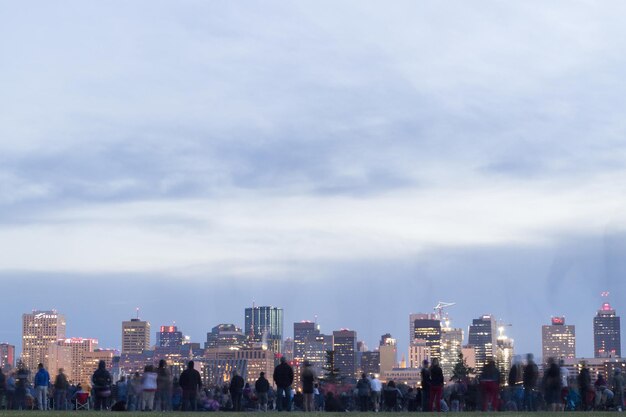
Atlanta Long-Term Weather Forecast: What to Expect Month by Month
Planning life in Atlanta, Georgia means planning around the weather—whether you’re commuting on the Connector, booking a BeltLine wedding, or timing a trip to Truist Park. A good long-term weather outlook helps you pack, plan events, and prepare your home for Atlanta’s changing seasons.
Below is a practical guide to how Atlanta weather usually behaves over the year, what long-term forecasts can (and can’t) tell you, and how to use them wisely.
How Long-Term Weather Forecasts Work in Atlanta
Long-term forecasts for Atlanta usually fall into three ranges:
- Extended forecast (7–14 days): Fairly detailed, but confidence drops the farther out you go.
- Monthly outlooks (30–45 days): Focus on trends (warmer/cooler, wetter/drier than usual), not exact temperatures or storm days.
- Seasonal outlooks (3–6 months): Broad guidance for planning, especially helpful for gardeners, event planners, and travelers.
Because Atlanta’s weather is affected by Gulf moisture, Atlantic systems, and cold fronts from the north, it can change quickly. Long-term forecasts are best used as guidelines, not guarantees.
Atlanta’s Climate at a Glance
Atlanta has a humid subtropical climate, which typically means:
- Hot, humid summers with frequent thunderstorms
- Mild winters with occasional cold snaps and rare ice or snow
- Rain spread throughout the year, often as afternoon showers or storms
- Spring and fall that can be gorgeous but sometimes stormy
Here’s a simplified look at typical seasonal patterns. These are general ranges, not daily predictions.
| Season | Usual Highs (°F) | Usual Lows (°F) | Common Conditions |
|---|---|---|---|
| Winter | 50s–60s | 30s–40s | Mild, occasional freezes, rare wintry mix |
| Spring | 60s–70s rising to 80s | 40s–60s | Variable, storms, pollen-heavy |
| Summer | Upper 80s–90s | 70s | Hot, humid, frequent thunderstorms |
| Fall | 70s down to 60s | 50s down to 40s | Pleasant, gradually cooler, clearer |
Month-by-Month: Long-Term Weather Expectations in Atlanta
January–February: Cool, Mostly Mild Winter
Overall trend:
- Temperatures: Often in the 40s–60s by day, 30s–40s at night, with a few colder mornings.
- Precipitation: Light to moderate rain is more common than snow.
What to expect:
- A mix of chilly, damp days and surprisingly mild, sunny afternoons.
- Occasional overnight freezes and early morning black ice, especially on bridges and overpasses.
- Rare snow or ice events can disrupt travel, schools, and flights, even with small accumulations.
Planning tips:
- Keep a warm coat and layered clothing handy; one week can feel like late fall, the next like early spring.
- If you commute on I-75/85, I-20, or GA-400, build in extra time on very cold, wet mornings.
- For visitors, bring a light winter jacket, sweater, and a rain layer; you may not need heavy winter gear most days.
March–April: Warming Up, Stormier, and Pollen Season
Overall trend:
- Temperatures: Often 60s–70s daytime, 40s–50s at night, trending warmer by late April.
- Precipitation: Regular showers and thunderstorms, often in the afternoon or evening.
What to expect:
- Classic spring swings: cool mornings, warm afternoons, and quick-changing conditions.
- Increased risk of strong thunderstorms, occasionally with gusty winds and heavy rain.
- Peak pollen season: cars, sidewalks, and patios often coated in yellow dust, especially from pine and oak.
Planning tips:
- For outdoor events in Piedmont Park, the BeltLine, or at open-air venues, have a backup indoor or tented option.
- Keep umbrella or light rain jacket in your car or bag.
- If you’re sensitive to pollen, plan for closed windows and frequent cleaning of porches and outdoor furniture.
May–June: Early Summer Heat and Humidity Build
Overall trend:
- Temperatures: Frequently 80s, pushing into low 90s on hotter days.
- Precipitation: Scattered afternoon thunderstorms, sometimes intense but brief.
What to expect:
- Days start to feel hot and sticky, especially in the urban core and lower-lying areas.
- Afternoon clouds build, and storms can pop up rapidly, especially after hot, sunny mornings.
- Evenings often remain warm and humid, good for patio dining—until a storm rolls through.
Planning tips:
- For long days outside at Zoo Atlanta, the Georgia Aquarium area, or festivals, bring water, sunscreen, and light clothing.
- Expect quick downpours—water can pond on roads and cause slowdowns on the Downtown Connector.
- For home projects, consider shading and cooling improvements (ceiling fans, blinds, or planting shade trees).
July–August: Atlanta’s Hottest Months
Overall trend:
- Temperatures: Commonly upper 80s to mid-90s, with heat index values higher.
- Precipitation: Frequent pop-up thunderstorms, often late afternoon or early evening.
What to expect:
- Prolonged stretches of hot, humid weather, especially in neighborhoods with a lot of pavement and few trees.
- Heat can build quickly in cars and on playground surfaces; mid-day can feel uncomfortable for extended outdoor activity.
- Thunderstorms are a near-daily possibility, though not everywhere at once—one side of the city can be drenched while another stays dry.
Planning tips:
- Plan strenuous outdoor activities (running the BeltLine, yard work, sports) for early morning or late evening.
- Keep rain gear handy; storms can form quickly, bringing lightning, gusty winds, and brief heavy rain.
- For visitors, pack breathable clothing, a hat, and comfortable walking shoes that handle sudden showers.
September–October: Gradual Cool-Down and Pleasant Weather
Overall trend:
- Temperatures: Early September can still feel like summer with 80s–90s, easing into 70s–80s and cooler nights by October.
- Precipitation: Thunderstorms gradually become less frequent, with more dry, comfortable days.
What to expect:
- A noticeable drop in humidity as the season progresses, especially in October.
- Ideal outdoor weather for football games, festivals, and hikes at nearby spots like Stone Mountain or Kennesaw Mountain.
- Occasionally, Atlanta can see rain from tropical systems passing through the Southeast during hurricane season, mostly as heavy rain bands.
Planning tips:
- This is one of the best windows for outdoor events (weddings, festivals, races) due to generally comfortable temperatures and fewer storms.
- If you hear about a tropical storm or remnant system, plan for short-term heavy rain and possible localized flooding, especially in lower areas and underpasses.
- Transition your wardrobe: light layers for cool mornings and warm afternoons.
November–December: Mild, Variable Late Fall into Early Winter
Overall trend:
- Temperatures: Generally 50s–60s by day, 30s–40s at night.
- Precipitation: Light to moderate rain, with more overcast days, especially in December.
What to expect:
- Cool, comfortable days mixed with occasional chilly rain.
- Some weeks can still feel like early fall; others hint at winter.
- Rare early-season wintry mix or flurries can occur, but accumulating snow is uncommon.
Planning tips:
- For holiday events at places like Atlantic Station, the Battery, or downtown, pack a warm layer and a rain coat just in case.
- Homeowners may want to winterize irrigation systems and check weather-stripping before the coldest nights.
- Travelers using Hartsfield–Jackson Atlanta International Airport should allow extra time on colder, rainy mornings when visibility and traffic can both slow.
Using Long-Term Forecasts for Everyday Planning in Atlanta
1. For Commuters
- Watch 7–10 day forecasts for signs of:
- Morning fog impacting I-285 and surface streets
- Strong thunderstorms that can slow evening rush hour
- Cold, wet days where black ice might form in outlying or higher elevation suburbs
- Build flex time into your schedule on days featuring storms or extreme heat, since traffic delays are common.
2. For Event Planners and Families
- For outdoor weddings, festivals, or sports tournaments in Atlanta:
- Use a 30-day outlook to pick a generally favorable time of year (e.g., late April–May, October).
- Use the 7-day and 48-hour forecasts to make final weather calls or adjustments.
- Plan shade, water, and cooling in summer; tents or indoor options during spring storm season.
3. For Home and Property
- Spring: Prepare for storms—check gutters, ensure drainage works, secure outdoor furniture.
- Summer: Consider heat-mitigation steps: shade trees, awnings, or light-colored exterior surfaces where practical.
- Fall: Clean gutters before leaf buildup and heavier late-fall rains.
- Winter: Protect exposed pipes on the occasional hard-freeze nights, especially in older homes.
Severe and Unusual Weather: What Long-Term Outlooks Can Signal
While specific storms cannot be predicted far in advance, long-term outlooks may highlight above-normal chances for:
- Stronger spring storms bringing heavy rain and gusty winds.
- Active tropical seasons, increasing the likelihood of remnant storms affecting Atlanta with heavy rain.
- Colder-than-average periods in winter, raising the risk of rare winter weather events.
When forecasts highlight a pattern shift (for example, “turning much colder next week” or “period of heavy rain likely late next week”), it’s a cue to:
- Adjust travel and outdoor plans.
- Check drainage and secure loose outdoor items if high winds are expected.
- Follow local advisories through news outlets and regional forecast offices.
Key Takeaways for Atlanta’s Long-Term Weather
- Atlanta’s long-term weather is generally mild to hot, humid, and storm-prone in warm months, with short-lived cold spells in winter.
- Use seasonal patterns (like hot summers and stormy springs) for broad planning, and 7–10 day forecasts for specific dates.
- Expect rapid changes, especially in spring and summer—afternoon storms can form quickly, and temperatures can swing over just a few days in cooler months.
- For residents and visitors, flexible planning, layered clothing, and paying attention to updated forecasts go a long way toward staying comfortable and prepared in Atlanta’s ever-changing weather.