
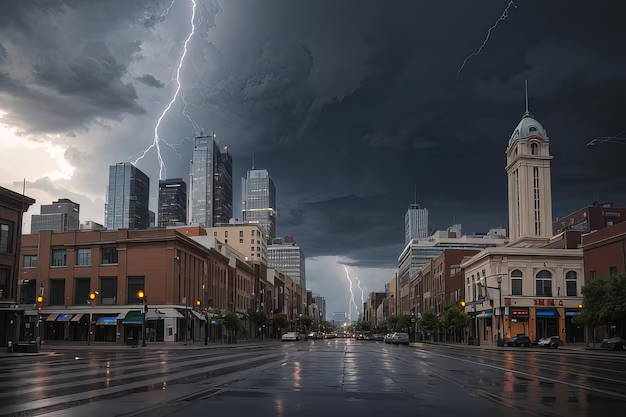
Atlanta Severe Weather: How to Prepare, Stay Safe, and Stay Informed
Atlanta’s weather can shift fast. A warm, sunny afternoon can turn into severe thunderstorms, tornado warnings, or dangerous flooding in just a few hours. Whether you live in the city, commute in for work, or are visiting for the weekend, understanding Atlanta severe weather is an important part of staying safe.
This guide walks through what kinds of severe weather Atlanta gets, when it’s most likely, how alerts work locally, and the practical steps you can take before, during, and after storms.
What “Severe Weather” Usually Means in Atlanta
In the Atlanta area, “severe weather” most often includes:
- Severe thunderstorms (damaging winds, hail, frequent lightning)
- Tornadoes and tornado warnings
- Flash flooding and river flooding
- Tropical system impacts (remnants of Gulf and Atlantic storms)
- Occasional winter storms (ice, freezing rain, and light snow)
Atlanta sits in the Southeast storm corridor, where warm, moist air from the Gulf often collides with cooler, drier air. That setup can fuel strong storms, especially in spring and summer.
Peak Seasons for Atlanta Severe Weather
While severe weather can happen any time of year, Atlanta tends to see:
March–May:
- Higher risk of severe thunderstorms and tornadoes
- Fast-changing conditions and frequent watches/warnings
June–September:
- Heavy afternoon thunderstorms, lightning, downpours
- Risk of flash flooding in low-lying or urban areas
- Occasionally, tropical storms or hurricane remnants bringing days of rain
December–February:
- Fewer thunderstorms but strong frontal systems can still bring severe storms
- Some years include ice or snow events that can disrupt roads and power
If you are new to the area, it can be surprising how quickly a typical humid afternoon turns into severe thunderstorm or flash flood conditions.
Key Atlanta Weather Hazards and What They Look Like
1. Severe Thunderstorms and Damaging Winds
Atlanta thunderstorms can include:
- Straight-line winds strong enough to knock down trees and power lines
- Hail, usually small but occasionally large enough to damage roofs and cars
- Frequent lightning, dangerous even without other “severe” criteria
In tree-lined neighborhoods like Virginia-Highland, Grant Park, and West End, falling branches and downed lines are a common concern during intense storms.
What this means for you:
- Park away from large trees when a strong storm is expected.
- Stay indoors and avoid using corded electronics during intense lightning.
- Expect possible short-term power outages, especially in older, tree-heavy areas.
2. Tornadoes and Tornado Warnings in Atlanta
The Atlanta metro is not in the core of “Tornado Alley,” but tornadoes do occur, including within the Perimeter (I-285). Past tornadoes have affected areas in and near Downtown, Midtown, Buckhead, and East Point.
Terms you’ll hear:
- Tornado Watch – Conditions are favorable; be ready to act.
- Tornado Warning – A tornado is happening or indicated by radar; take shelter immediately.
In Atlanta’s dense neighborhoods and high-rise areas, taking shelter usually means:
- Lowest level of your building (interior hallway, stairwell, or room)
- Center of the building, away from windows and exterior walls
- Small interior rooms such as bathrooms or closets if you’re in a house
If you live in a high-rise apartment or condo in Midtown or Buckhead and cannot get to a lower floor quickly:
- Move to an interior hallway, stairwell, or room on your floor.
- Stay away from large windows and glass balconies.
- Keep shoes, a flashlight, and a charged phone nearby.
3. Flash Flooding and Atlanta’s Urban Flood Risk
Heavy downpours are common, and Atlanta’s combination of hills, creeks, and lots of pavement can lead to sudden flooding.
Flood-prone situations include:
- Underpasses and low spots along I-75/85, I-20, I-285, and GA 400
- Neighborhoods along Peachtree Creek, Proctor Creek, South River, and other local waterways
- Older storm drain systems that can back up during intense rain
Important principle: Turn Around, Don’t Drown. Just a small amount of moving water can sweep away a vehicle, and it’s often impossible to judge depth at night or in heavy rain.
If you live or stay near creeks or low-lying areas, pay close attention during Flash Flood Warnings and be prepared to move to higher ground.
4. Tropical Systems and Heavy Rain from the Coast
Atlanta is well inland, but the city can still be affected by:
- Remnants of tropical storms or hurricanes moving up from the Gulf or Atlantic
- Extended periods of heavy rain, gusty winds, and sometimes isolated tornadoes
When a coastal storm is approaching Georgia, metro Atlanta may experience:
- Several days of off-and-on heavy rain
- Power outages from saturated soil and falling trees
- Highly variable conditions from one side of the metro to another
5. Winter Weather: Ice and Freezing Rain
Snow is relatively rare and usually light, but freezing rain and ice can cause major problems:
- Icy bridges and elevated roads around the Downtown Connector, I-285, and I-20
- Stranded vehicles if storms hit during heavy commute times
- Power outages from ice-laden branches
Even a thin layer of ice can make Atlanta roads extremely hazardous. When winter weather advisories or warnings are issued, many residents choose to avoid driving if at all possible.
How Severe Weather Alerts Work in Atlanta
Local Weather Authorities and Coverage
Atlanta’s severe weather information typically comes from:
National Weather Service (NWS) Peachtree City Office
– Responsible for issuing watches and warnings for the Atlanta metroLocal TV and radio stations based in Atlanta
– Often provide live coverage during tornado warnings and major eventsCity of Atlanta and Fulton/DeKalb County alert systems
– Can send local emergency notifications, road closures, and shelter information
Types of Weather Alerts You’ll See
Understanding the language of alerts is key:
| Alert Type | What It Means in Atlanta | What You Should Do |
|---|---|---|
| Advisory | Weather may cause inconvenience or minor issues | Use caution; adjust plans if needed |
| Watch | Conditions are favorable for severe weather | Stay alert; review your plan |
| Warning | Severe weather is happening or imminent locally | Take immediate protective action |
| Emergency (e.g., Tornado Emergency) | Rare, extremely dangerous situation | Follow shelter instructions without delay |
These alerts may appear on your phone, TV, radio, weather apps, or emergency alert systems.
Staying Informed About Atlanta Severe Weather
In severe weather season, it helps to never rely on just one source of information.
Practical Ways to Get Alerts
Wireless Emergency Alerts (WEA) on your smartphone
– These often come pre-enabled and sound a loud alarm for tornado warnings and other critical events.NOAA Weather Radio
– A dedicated device that sounds alarms for watches and warnings in your county.Localized city/county alerts
– Many residents sign up for alerts from:- City of Atlanta emergency notifications
- Fulton County or DeKalb County emergency management systems, depending on where you live or work
Local broadcast media
– Atlanta-based TV and radio stations typically interrupt programming for tornado warnings and major storms.
If you’re visiting Atlanta, consider:
- Asking your hotel about their severe weather procedures.
- Making sure emergency alerts are turned on in your phone settings for your current location.
Building a Severe Weather Plan for Atlanta
Having a plan is one of the most valuable steps you can take, especially if you live with family or roommates.
1. Know Your Local Risk Areas
- Learn your county (most of the city of Atlanta is in Fulton County, with some parts in DeKalb County).
- Note your proximity to:
- Major interstates (I-75/85, I-20, I-285, GA 400)
- Nearby creeks or rivers
- If you rent, ask your landlord or property manager if:
- The building has a designated severe weather shelter area
- There’s a recommended location for tornado sheltering on-site
2. Choose Your Safe Spots
In your home, apartment, or hotel room, identify:
A safe room for tornadoes and severe storms
– Interior, windowless, lowest level if possibleA higher spot in the building or complex if flooding is an issue
– Upper floor or a different area of the property that is on higher ground
Remember: In apartment complexes around Midtown, Buckhead, or Sandy Springs, interior stairwells often serve as safer places during tornado warnings.
3. Create a Basic Severe Weather Kit
You don’t need anything complex or expensive. Aim for:
- Flashlight and extra batteries
- Phone charger and portable power bank
- Bottled water and non-perishable snacks
- Basic first-aid supplies
- Battery-powered or hand-crank radio
- Copies or photos of important documents in a waterproof container or secure digital format
If you rely on electric-powered medical equipment, consider how you would manage during power outages and talk with your healthcare provider or equipment supplier about backup options.
What to Do During Specific Severe Weather Events
During a Tornado Warning in Atlanta
If a Tornado Warning is issued for your area:
Go to your safe place immediately
- Interior room or hallway on the lowest floor
- Avoid windows and exterior walls
Protect your head and neck
- Use a mattress, heavy blankets, or helmets if available.
Do not try to “see” the tornado
- Trees, buildings, and hills often block visibility in Atlanta’s urban areas.
If in a car on interstates or surface streets:
- If you can safely get inside a substantial building nearby, do so.
- Avoid stopping under highway overpasses, where wind can be stronger.
During Severe Thunderstorms and Lightning
- Stay inside and avoid being on balconies, rooftops, or open areas.
- Postpone outdoor activities at Piedmont Park, the BeltLine, or sports fields if thunder is in the area.
- Unplug sensitive electronics if possible during intense lightning.
During Flash Flooding
- Avoid driving through flooded roads, especially in underpasses or near creeks.
- If you see water covering the road, find an alternate route.
- In basement apartments or units near creeks:
- Watch for water seeping in.
- Be ready to move valuable items and, if needed, relocate to higher floors.
During Ice or Winter Storms
- Stay off the roads if you can; even main streets and interstates may be hazardous.
- Be prepared for:
- Longer commutes if you must drive
- Limited transit service or delays on MARTA and buses
- Have warm layers, blankets, and a way to stay warm if power is interrupted.
Power Outages and Utility Issues in Atlanta Storms
Falling trees and branches often lead to localized or widespread power outages during Atlanta severe weather.
If Your Power Goes Out
- Report the outage to your local utility provider.
- Use flashlights instead of candles to reduce fire risk.
- Avoid opening refrigerators/freezers more than necessary to keep food cold.
- Turn off or unplug electronics that could be damaged by power surges when service is restored.
If you live in a multi-story building, know that power outages can affect:
- Elevator service
- Electronic access gates and doors
- Garage access (you may need a manual override)
Ask your building manager ahead of time how these situations are handled.
Local Emergency and Support Resources
When severe weather hits Atlanta, certain agencies and organizations typically coordinate information and response.
While phone numbers or locations can sometimes change, the following types of contacts are useful to know:
City of Atlanta Government & Mayor’s Office of Emergency Preparedness
– Coordinates city-level emergency planning, public information, and some sheltering efforts within city limits.Fulton County Emergency Management Agency (EMA)
– Handles emergency planning and response for much of the Atlanta area.
– Many residents sign up for weather and emergency alerts through county systems.DeKalb County Emergency Management Agency
– Serves parts of Atlanta located in DeKalb County and nearby areas.Local Fire and Police Departments
– For life-threatening emergencies, call 911.
– For non-emergency questions about road closures or local shelter information, use non-emergency lines listed for your city or county.
For people experiencing housing instability or who may need temporary shelter during or after severe weather, local governments typically coordinate with:
- City-operated shelters or warming/cooling centers during extreme events
- Long-standing community organizations and faith-based centers that open additional shelter capacity in emergencies
Before storm season, it can help to check your city or county’s official website for:
- How to sign up for emergency alerts
- Where to find shelters or warming/cooling centers when they open
- Local guidance on storm debris collection and disposal after major events
If You’re Visiting Atlanta During Severe Weather Season
Visitors are often unfamiliar with local risks and may be staying in high-rise hotels or short-term rentals.
Simple steps:
- Ask hotel staff:
- Where to go in case of tornado or severe storm
- How they notify guests of emergencies
- Keep your phone charged and make sure location-based alerts are enabled.
- If you’re using rideshare or driving, pay attention to flooded roads and warnings on navigation apps or roadside signs.
- If conditions look bad, it is usually safer to delay travel plans by an hour or two rather than trying to “beat the storm.”
Quick Severe Weather Checklist for Atlanta Residents and Visitors
Before storm season:
- ✅ Know your county and neighborhood risk areas
- ✅ Choose your tornado safe place and flood-safe route to higher ground
- ✅ Assemble a basic weather kit (flashlight, radio, essentials)
- ✅ Enable emergency alerts on your phone
When severe weather is forecast:
- ✅ Charge devices and power banks
- ✅ Secure or bring in outdoor items (grills, furniture, trash bins)
- ✅ Refuel your vehicle if significant storms are expected
When a warning is issued:
- ✅ Follow instructions for sheltering or avoiding travel
- ✅ Stay tuned to reliable local sources until the threat passes
- ✅ Avoid flooded areas, downed power lines, and damaged structures
Understanding Atlanta severe weather and planning for it—rather than being surprised by it—can significantly reduce your risk and stress. With a few simple steps and awareness of local hazards, you can move through storm season in Atlanta with much more confidence and safety.