
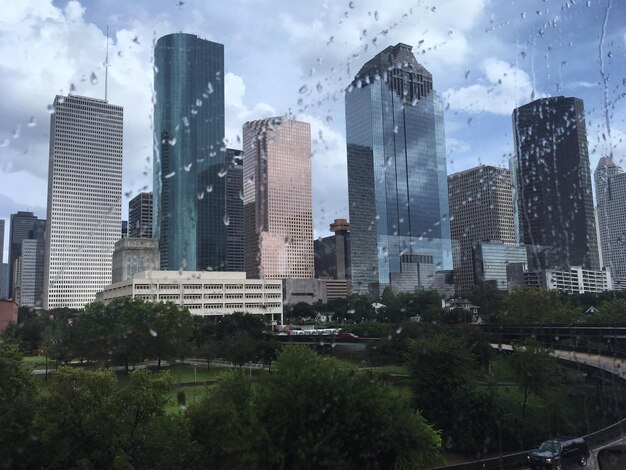
Atlanta Weather Alerts: What They Mean and How to Stay Safe in the City
Staying on top of an Atlanta weather alert is more than checking if you need an umbrella. In metro Atlanta, alerts often involve severe thunderstorms, flash flooding, extreme heat, and occasional tornado threats. Knowing how these alerts work—and what to do when you see one—can make a real difference for you, your family, and your commute.
This guide explains how weather alerts work specifically for Atlanta, Georgia, which agencies issue them, what different alert terms mean, and how to prepare whether you live in Buckhead, Midtown, Decatur, or the suburbs along I‑285.
Who Issues Weather Alerts in Atlanta?
Several agencies and systems work together to send out Atlanta weather alerts:
National Weather Service (NWS) – Peachtree City Office
Covers Atlanta and much of north and central Georgia. This is the main source for:- Severe thunderstorm warnings
- Tornado watches/warnings
- Flash flood watches/warnings
- Winter weather advisories
- Heat advisories and wind chill alerts
NWS Atlanta/Peachtree City Office
4 Falcon Drive, Peachtree City, GA 30269
Phone (public line): generally listed under “NWS Peachtree City” for forecasts and information.Fulton County & City of Atlanta Emergency Management
Coordinates local response, sirens, and public messaging for the City of Atlanta and parts of Fulton County.Georgia Emergency Management and Homeland Security Agency (GEMA/HS)
Supports larger emergency responses, especially during major storms, flooding, and statewide weather events.
Most alerts you see on your phone, TV, radio, or weather apps in Atlanta are based on NWS products, sometimes rephrased or pushed out through local channels.
Key Types of Atlanta Weather Alerts You’ll See
Understanding the language of alerts helps you react quickly. In Atlanta, the most common alerts fall into a few categories.
“Watch” vs. “Warning”: The Basics
You’ll often see these two words:
Watch = Conditions are favorable for severe weather in or near Atlanta.
→ Be prepared and pay attention.Warning = Severe weather is happening now or is imminent in the warned area.
→ Take action immediately.
Severe Thunderstorm Alerts
Severe storms are common from spring through early fall in metro Atlanta, but they can happen year-round.
Severe Thunderstorm Watch
Thunderstorms may become severe in the region. Large hail, damaging winds, and frequent lightning are possible.Severe Thunderstorm Warning
A severe storm has been detected on radar or confirmed.
In Atlanta, this may bring:- Strong winds that can bring down trees and power lines
- Hail
- Torrential rain and street flooding (especially inside the Perimeter and low-lying neighborhoods)
👉 If you’re in a high-rise in Midtown or Downtown, stay away from windows and glass walls during a severe thunderstorm warning.
Tornado Alerts
While Atlanta isn’t in the center of “Tornado Alley,” tornadoes and spin-up tornadoes do occur, especially with strong storm systems.
Tornado Watch
Conditions are favorable for tornadoes in the Atlanta area.Tornado Warning
A tornado has been spotted or indicated by radar in a specific polygon area that may include neighborhoods in and around the city.
During a tornado warning in Atlanta:
- Go to an interior room on the lowest floor (bathroom, closet, hallway).
- Avoid windows, especially in glass-heavy towers.
- If you live in a top-floor apartment, go to a lower floor hallway or stairwell if it is safe to do so.
Many areas in and around Atlanta do not rely on sirens alone, especially with traffic, construction noise, and dense development. Phone alerts and weather radios are critical.
Flood and Flash Flood Alerts
Atlanta’s combination of hills, creeks, and dense development means heavy rain can create dangerous flooding, especially along:
- Peachtree Creek, Proctor Creek, Nancy Creek, and smaller tributaries
- Low underpasses on major roads (e.g., sections of I‑285, I‑20, and I‑75/85)
- Older neighborhoods with older storm drain systems
Common alerts:
Flood Advisory
Minor flooding or ponding of water is possible.Flood Watch
Conditions are favorable for flooding in Atlanta—often associated with prolonged rain or tropical remnants.Flash Flood Warning
Rapid, dangerous flooding is either happening or about to happen very soon.
In Atlanta, that can mean:- Quickly rising creeks
- Impassable underpasses
- Water on roads that looks shallow but is deeper than it appears
⚠️ Local guidance consistently stresses: “Turn Around, Don’t Drown.” Do not drive through flooded roadways, especially at night.
Heat and Cold Alerts
Atlanta is known for hot, humid summers and occasionally surprising cold snaps.
Heat Advisory / Excessive Heat Warning
Alerts for dangerously hot and humid conditions, often when heat index values are very high.
This matters if you:- Work outside
- Use MARTA and walk long distances to stops
- Live in older housing without reliable air conditioning
Wind Chill Advisory / Freeze Warning
Less frequent, but can be significant. Freeze warnings are especially important for:- Protecting outdoor pipes
- Covering sensitive plants
- Checking on neighbors without strong heating
How Atlanta Weather Alerts Reach You
1. Wireless Emergency Alerts (WEA) on Your Phone
Most modern smartphones on major carriers in Atlanta automatically receive critical weather alerts, such as:
- Tornado warnings
- Flash flood warnings (in some cases)
- Extreme alerts like evacuation orders or child abduction alerts (non-weather)
These alerts are location-based, so if you’re near Midtown, Buckhead, or Hartsfield-Jackson, you’ll receive alerts relevant to that area.
✅ Tip: Check your phone’s settings to ensure emergency/weather alerts are turned on.
2. NOAA Weather Radio for Atlanta
A NOAA Weather Radio is often recommended for Atlanta residents, especially where:
- Cell reception is spotty
- You might lose power but still want alerts
The NWS transmitter that serves Atlanta broadcasts:
- Warnings
- Watches
- Routine forecasts
You can program many radios for Fulton, DeKalb, Cobb, Clayton, and Gwinnett County codes so you only receive relevant alerts.
3. Local TV & Radio
Atlanta’s local TV stations and radio outlets typically break into programming for tornado warnings, severe storms, and major flooding. They often:
- Show radar and storm tracks by neighborhood
- Give street-level instructions, like “move to shelter if you are near [specific corridor or intersection]”
If power goes out, a battery-powered radio can be very helpful.
4. City & County Alert Systems
Several Atlanta-area jurisdictions operate local alert systems that may use text, email, or phone calls for major emergencies and sometimes weather-related impacts, such as:
- Road closures due to flooding
- Downed trees blocking major intersections
- Requests to stay off certain roads
Search for emergency notifications for:
- City of Atlanta
- Fulton County
- DeKalb County
- Cobb County
- Clayton County
- Gwinnett County
These services can add a local operations layer on top of NWS weather alerts.
Typical Atlanta Weather Hazards by Season
While weather can be unpredictable, Atlanta does have seasonal patterns that influence what alerts you’ll see most often.
| Season | Common Alerts in Atlanta | What to Watch For Locally |
|---|---|---|
| Winter | Freeze warnings, occasional winter weather | Black ice on bridges, rare snow/ice events |
| Spring | Severe thunderstorm & tornado watches/warnings | Strong storms, hail, heavy rain, river/creek rise |
| Summer | Heat advisories, severe storms, flood alerts | Afternoon downpours, flash flooding, power outages |
| Fall | Remnants of tropical systems, cold fronts | Heavy rain, gusty winds, early-season storms |
This table is a general guide, but weather alerts can happen outside these patterns as well.
What to Do When a Weather Alert is Issued in Atlanta
When You’re at Home
Identify a safe spot
For tornado or severe thunderstorm warnings:- Interior room away from windows
- Lowest level of your home (or an interior hallway in a condo/apartment)
Secure loose outdoor items
Patio furniture, grills, and trash bins can become hazards in strong winds.Prepare for power outages
In tree-heavy neighborhoods like Virginia-Highland, Kirkwood, or West End, strong storms can knock out power:- Have flashlights and extra batteries
- Charge devices before storms
- Keep some non-perishable food and water on hand
When You’re in an Apartment or High-Rise
For many Atlantans living in Midtown, Downtown, Buckhead, or near major MARTA stations:
- Avoid large glass walls and upper-floor balconies during storms.
- Know the stairwell locations; they’re often one of the sturdier interior spaces.
- If your building has a management office, check if they post storm shelter instructions.
When You’re Driving in Metro Atlanta
Severe weather often strikes during the evening commute along I‑75/85, I‑20, I‑285, GA‑400, and surface streets:
Tornado warning while driving
If possible, exit to a sturdy building for shelter. Avoid stopping under overpasses.Heavy rain or flash flood warning
Low-lying underpasses and ramps can fill quickly.
Do not drive through water over the roadway, especially in:- Portions of I‑285
- Downtown Connector underpasses
- Known flood-prone surface roads
Hail or extreme wind
Pull over safely if visibility drops or roads become hazardous, but stay off major lanes and turn on hazard lights.
When You’re Visiting Atlanta
If you’re staying in a hotel in Downtown, Midtown, or near the airport:
- Ask the front desk what to do for tornado or fire alarms.
- Make sure you know:
- The floor’s emergency exit routes
- The interior hallway or designated safe area for severe weather
Special Considerations for Different Parts of Atlanta
In-Town Neighborhoods (Inside the Perimeter)
Areas like Old Fourth Ward, Inman Park, Grant Park, and West Midtown can experience:
- Rapid street flooding during short, intense thunderstorms
- Downed trees due to older, large tree canopies
- Power outages when storms move through quickly
If you park in a below-street-level garage, watch for water accumulation in heavy rains.
Suburbs Around Atlanta
In suburban areas such as Sandy Springs, Roswell, Decatur, East Point, College Park, and Smyrna:
- Creeks and small rivers can rise quickly.
- Many single-family homes have basements or ground-level interior rooms ideal for shelter.
- You may hear outdoor warning sirens more clearly than in the core city—but don’t rely on sirens alone. Indoor alerts (phone, radio) are essential.
Near Hartsfield-Jackson Atlanta International Airport
Weather alerts are common near the airport area due to open exposure and frequent thunderstorms:
- Flights may be delayed or grounded in severe weather.
- Lightning alerts may temporarily pause ramp operations, impacting boarding and baggage.
- If you’re waiting at the airport during a tornado warning, follow airport staff instructions for shelter locations.
Simple Preparedness Steps for Atlanta Residents
You don’t need an elaborate plan, but a few Atlanta-specific preparations can help:
Save local emergency contacts
- City of Atlanta non-emergency and local public works/utility numbers
- Power company outage line serving your area
Basic storm kit, especially for thunderstorm and tornado season:
- Flashlight and batteries
- Battery or crank-powered weather radio
- Portable phone charger
- Bottled water and simple snacks
Know your county and neighborhood
Alerts are often issued by county and specific areas. Know if you’re in:- Fulton, DeKalb, Cobb, Clayton, or Gwinnett
- A notable local area (e.g., “north Fulton” vs. “south Fulton”)
Secure important items
If your property has a history of flooding, keep boxes and valuables off basement floors.
Where to Get Reliable Local Weather Information
When an Atlanta weather alert appears, stick with trusted, official sources:
National Weather Service – Atlanta/Peachtree City
For official watches, warnings, and forecasts.Local government emergency management offices
For city or county-specific actions like road closures or shelter information.Local TV and radio stations
For real-time radar, street-level storm tracks, and local impacts.
Using multiple sources—phone alerts, NOAA radio, and local broadcasters—helps make sure you don’t miss critical information when seconds count.
Staying weather-aware in Atlanta means recognizing alerts, knowing how they apply to your neighborhood, and having a simple plan for home, work, and travel. With a basic understanding of Atlanta weather alerts, you can move quickly and safely when the next storm, heat wave, or flood threat approaches the city.