
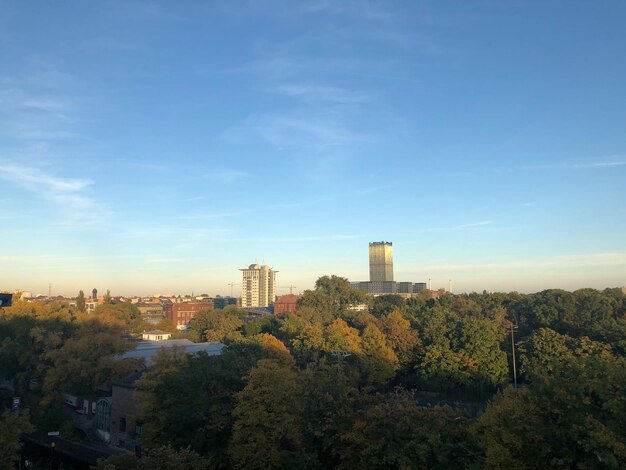
Average Weather in Atlanta: What to Expect Month by Month
Atlanta’s weather is famously changeable: you can get a warm afternoon in January and a chilly morning in April. Still, there are clear patterns that locals rely on when planning commutes, outdoor events, and visits to places like Piedmont Park, the BeltLine, or downtown.
This guide breaks down the average weather in Atlanta, Georgia through the year so you know what to pack, what to wear, and how to plan your days.
Atlanta’s Climate at a Glance
Atlanta has a humid subtropical climate. In practical terms, that means:
- Winters: Generally mild, short, and often wet
- Springs: Warm, breezy, and pollen-heavy
- Summers: Hot, humid, with frequent afternoon storms
- Falls: Comfortable, drier, and great for outdoor activities
Atlanta’s elevation (around 1,000 feet above sea level) keeps it slightly cooler than many other Southern cities at similar latitudes, but heat and humidity are still a big part of life here.
Average Temperatures in Atlanta by Season
Below is a simplified look at typical temperatures in Atlanta. Actual numbers vary year to year, but these ranges reflect what residents and visitors commonly experience.
| Season | Typical Highs (°F) | Typical Lows (°F) | What It Feels Like |
|---|---|---|---|
| Winter | Mid‑40s to mid‑50s | Low‑30s to low‑40s | Mostly mild, occasional cold snaps and freezes |
| Spring | Low‑60s to mid‑70s | Mid‑40s to mid‑50s | Pleasant, can swing cool to warm quickly |
| Summer | Mid‑80s to low‑90s | Upper‑60s to low‑70s | Hot and humid, sticky afternoons |
| Fall | Mid‑60s to mid‑70s | Upper‑40s to mid‑50s | Comfortable, less humid, cooler nights |
These are average patterns, not guarantees. In Atlanta, you should always expect a few days each year that are significantly hotter, colder, wetter, or drier than the typical range.
Month-by-Month: Average Weather in Atlanta
January
- Overall: Coldest month of the year, but still relatively mild compared to northern cities.
- Temperatures: Many days in the 40s–50s, nights can dip into the 30s and below freezing at times.
- Precipitation: Mostly rain; occasional wintry mix or light snow is possible but not frequent.
- What locals do: Layer up for morning commutes; coats and light scarves are common downtown and in neighborhoods like Buckhead or Midtown.
Tip: If you’re visiting, bring a warm jacket plus a lighter layer for unexpectedly mild afternoons.
February
- Overall: Still cool, but you can feel hints of spring late in the month.
- Temperatures: Highs often in the 50s, some days reaching the 60s; nights in the 30s–40s.
- Precipitation: Rainy days are common; wintry weather is still possible but not the norm.
By late February, you may see trees beginning to bud around places like Grant Park and neighborhoods along the Eastside Trail.
March
- Overall: True transition month; days can swing between chilly and warm.
- Temperatures: Highs often in the 60s, occasionally into the 70s; lows mostly in the 40s–50s.
- Precipitation: Rainy, with some thunderstorms as warmer air moves in.
If you’re planning outdoor events near Centennial Olympic Park or the Atlanta Botanical Garden, it’s wise to have a backup plan for rain and cooler evenings.
April
- Overall: One of the most pleasant months in Atlanta.
- Temperatures: Highs commonly in the 70s, lows in the 50s.
- Precipitation: Scattered showers and some thunderstorms.
- Pollen: This is peak pollen season; cars and sidewalks often get a yellow dusting.
Residents enjoy patio dining in Inman Park and West Midtown, but many keep allergy medications handy (talk to a healthcare professional for any medical questions).
May
- Overall: Warm, increasingly humid, but generally comfortable.
- Temperatures: Highs often in the upper 70s to low 80s; lows in the 60s.
- Precipitation: Occasional showers and thunderstorms, mostly short-lived.
May is popular for outdoor festivals and BeltLine walks. Light clothing during the day and a light jacket for late-night rooftop spots usually works well.
June
- Overall: Start of the hot season.
- Temperatures: Highs in the mid‑80s to around 90; lows in the upper‑60s to low‑70s.
- Humidity: Noticeably higher; afternoons can feel hotter than the thermometer reading.
- Precipitation: Regular afternoon or evening thunderstorms, often brief but heavy.
If you’re working or sightseeing downtown, plan for shade, sunscreen, and water—especially around midday.
July
- Overall: Often the hottest month in Atlanta.
- Temperatures: Highs frequently in the upper‑80s to low‑90s; warm, muggy nights in the 70s.
- Humidity: High, which makes it feel hotter.
- Precipitation: Frequent pop‑up thunderstorms, especially late afternoon and early evening.
For outdoor time at places like Stone Mountain Park or the Atlanta BeltLine, early mornings or late evenings are usually more comfortable.
Hot weather tips for Atlanta:
- ☀️ Wear light, breathable fabrics
- 💧 Carry water, especially if you’re walking or using MARTA plus walking portions
- 🕶️ Use sun protection if you’re out mid‑day
August
- Overall: Similar to July—very warm, very humid.
- Temperatures: Highs mainly in the upper‑80s to low‑90s; lows in the 70s.
- Precipitation: Continued pattern of scattered thunderstorms.
If you’re moving to Atlanta or starting school at Georgia Tech, Georgia State, or nearby campuses, expect heavy heat during move‑in and orientation weeks.
September
- Overall: Still warm, but humidity and heat gradually ease, especially late in the month.
- Temperatures: Highs usually in the low‑ to mid‑80s early in the month, trending toward the 70s later; lows in the 60s.
- Precipitation: Thunderstorms become less frequent as fall approaches.
Outdoor events at places like Zoo Atlanta or Truist Park are typically more comfortable, especially in late September.
October
- Overall: Many residents consider October one of the best months weather‑wise.
- Temperatures: Highs commonly in the 70s; lows in the 50s.
- Humidity: Lower and more comfortable.
- Precipitation: Generally fewer storms than summer, but some rainy days still occur.
This is prime time for outdoor festivals, walks through historic neighborhoods, and visits to nearby hiking trails in North Georgia.
November
- Overall: Cool and crisp, but usually not harshly cold.
- Temperatures: Highs often in the 60s; lows in the 40s.
- Precipitation: Periodic rain; early cold snaps are possible.
Fall color peaks in and around Atlanta, including tree-lined streets in Virginia-Highland and Decatur.
December
- Overall: Mild to cool, with occasional colder spells.
- Temperatures: Highs commonly in the 50s; lows in the 30s–40s.
- Precipitation: Mostly rain; freezing conditions are possible but sustained deep cold is uncommon.
Holiday events at attractions like Atlantic Station or the Atlanta Botanical Garden’s light displays are usually manageable with a medium-weight coat and maybe a hat on chillier nights.
Rain, Storms, and Severe Weather in Atlanta
Average Rainfall
Atlanta sees regular rainfall spread through the year, with slightly wetter periods in late winter and early spring, and again during summer thunderstorm season. Completely dry weeks do occur but are less common than in drier regions.
If you live in Atlanta, keeping a compact umbrella or light rain jacket handy—especially in spring and summer—is practical.
Thunderstorms and Lightning
- Common seasons: Late spring through summer
- Timing: Often in the afternoon or early evening
- Intensity: Can be brief but heavy, with lightning and gusty winds
If you’re at an outdoor venue (like festivals, sports fields, or Piedmont Park), be prepared to move indoors quickly if storms roll in.
Severe Weather Preparedness
While tornadoes and severe thunderstorms are less common than in some nearby regions, they do occur. Residents generally stay informed through:
- Local TV and radio stations
- Weather apps and alerts
- NOAA Weather Radio (many people use these at home or work)
For official weather information and alerts, you can reference the National Weather Service office serving the Atlanta area:
- National Weather Service Forecast Office – Peachtree City (serves metro Atlanta)
4 Falcon Drive
Peachtree City, GA 30269
Phone (public line): 770‑486‑1133
For local emergency preparedness guidance, the City of Atlanta Office of Emergency Preparedness provides resources and planning information.
Snow and Ice: How Often Does Atlanta Get Winter Weather?
Atlanta’s average winter brings:
- Mostly rain and chilly days
- A few freezing nights each year
- Infrequent snow or ice, but impactful when it happens
When snow or ice does arrive, even in small amounts:
- Roads and interstates (like I‑75/85 through downtown) can become very slick
- School and office closings are more common than in cities accustomed to heavy snow
Locals often monitor winter forecasts closely and adjust travel plans quickly when winter storms are mentioned.
Humidity and “Feels Like” Temperatures
Atlanta’s humidity is a major factor, especially from late spring through early fall.
- Summer humidity makes it feel hotter than the air temperature
- Morning commutes can already feel muggy, and evenings may not cool off much
- Air conditioning is standard in homes, offices, MARTA trains, and most public buildings
When you see “feels like” or heat index values in forecasts, those numbers often matter more for comfort than the actual temperature, especially in July and August.
Air Quality, Pollen, and Seasonal Comfort
Pollen
Atlanta is known for strong spring pollen seasons, especially March through April:
- Pine pollen is highly visible (the yellow dust on cars and sidewalks)
- Other tree, grass, and weed pollens contribute to seasonal discomfort
If you’re sensitive to pollen, many residents:
- Keep windows closed during peak days
- Use air conditioning and change home filters regularly
- Avoid extended time outdoors during early morning when pollen counts can be higher
For pollen forecasts specific to Atlanta, local media and weather services often provide daily updates.
Air Quality
On some hot, still summer days, ozone and particulate levels can rise, leading to lower air quality. These days are more likely:
- During heat waves
- When there’s little wind or air movement
Residents who are concerned about air quality often follow local “air quality alerts” shared by the Georgia Environmental Protection Division (EPD) and local news outlets.
Planning Activities Around Atlanta’s Average Weather
Here’s how the average weather in Atlanta lines up with common activities:
Best months for outdoor exploring (BeltLine, parks, festivals):
April–May and October–early November for comfortable temperatures and lower humidity.Best time if you prefer mild winter weather:
December–February are generally cooler but not brutally cold; you may still get pleasant afternoons for walking around Downtown, Old Fourth Ward, or Little Five Points.Pool, water park, and lake season:
Late May through early September, when temperatures and humidity support swimming and water activities at neighborhood pools or nearby lakes.If you dislike extreme heat and humidity:
Try to avoid late June through August or plan mainly indoor, air‑conditioned activities during mid‑day (museums, Georgia Aquarium, World of Coca‑Cola, etc.).
What to Pack or Wear in Atlanta by Season
Winter (Dec–Feb)
- Light to medium-weight coat
- Layers: sweaters, long sleeves, and a base layer for colder snaps
- Umbrella or raincoat
Spring (Mar–May)
- Light jacket or cardigan for cooler mornings and evenings
- Short sleeves for midday
- Allergy supplies if you are pollen‑sensitive (consult a healthcare professional for guidance)
Summer (Jun–Aug)
- Lightweight, breathable clothing
- Hat, sunglasses, sunscreen
- Refillable water bottle
- An umbrella or light poncho for pop‑up storms
Fall (Sep–Nov)
- Light layers: T‑shirts plus a light jacket or sweater
- Comfortable shoes for walking in parks, trails, and neighborhoods
- Umbrella for occasional showers
Where to Check Atlanta Weather Day to Day
Because Atlanta’s weather can change quickly, especially with pop-up summer storms or winter cold fronts, most residents check conditions regularly. You can use:
- Local TV weather forecasts (based in Atlanta)
- Weather apps that allow you to set locations like Downtown, Midtown, or your specific ZIP code
- The National Weather Service (via web, app, or radio) for detailed local forecasts, radar, and alerts
For emergency alerts affecting the City of Atlanta, residents can also enroll in local alert systems promoted by city or county emergency management agencies.
Understanding the average weather in Atlanta helps you anticipate heat, humidity, rain, and those occasional surprises. With this month‑by‑month picture, you can better plan daily routines, travel, events, and everyday life in and around Atlanta, Georgia.