
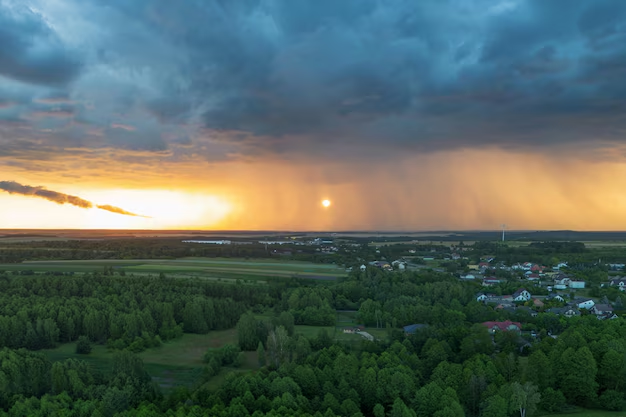
Fox 5 Weather Atlanta: How to Use Local Forecasts to Plan Your Day in the City
Atlanta’s weather can swing from blue skies to booming thunderstorms in a single afternoon. If you search for “Fox 5 Weather Atlanta”, you’re usually trying to figure out: What’s the weather really going to do here, and how should I plan around it?
This guide explains how Atlanta’s weather works, how TV forecasts like Fox 5’s typically present it, and how you can use local forecasts together with other resources to stay prepared—whether you live here or you’re just visiting.
Understanding Atlanta’s Weather: What Forecasts Are Trying to Tell You
Before focusing on Fox 5’s coverage, it helps to understand Atlanta’s climate patterns so what you see on TV or in an app makes more sense.
The basics of Atlanta’s climate
Atlanta’s weather is generally:
- Humid subtropical – warm to hot summers, cool winters, plenty of moisture
- Storm-prone in warm months – frequent afternoon thunderstorms, especially May–September
- Variable in winter – mostly rain and chilly days, with occasional ice or snow
- Allergy-heavy in spring – high pollen counts, especially from trees and grasses
Typical patterns you’ll see in local forecasts:
Spring (March–May)
- Rapid warm-ups and cool-downs
- Strong thunderstorms possible
- High pollen levels across the metro area
Summer (June–August)
- Hot, humid days often in the upper 80s to 90s
- “Pop-up” afternoon storms that may be heavy, especially near and south of I‑20
- Heat index often higher than the actual temperature
Fall (September–November)
- Milder, more comfortable weather
- Clearer days, but early fall can still be stormy
- Cold fronts bring noticeably cooler mornings
Winter (December–February)
- Mostly cold rain, with temperatures often in the 40s–50s
- Occasional cold snaps with freezing temperatures
- Some years bring ice or light snow, especially impacting roads quickly
When you watch Fox 5 Weather Atlanta, the meteorologist is usually translating these seasonal patterns into short-term details: temperature ranges, timing of rain, and severe weather risk for the metro area.
How Local TV Forecasts Like Fox 5 Weather Help Atlantans
Local TV weather in Atlanta, including Fox 5-style coverage, typically focuses on practical, day-to-day decisions, such as:
- Is it safe to drive on the Downtown Connector during rush hour?
- Should you delay flights out of Hartsfield–Jackson Atlanta International Airport because of storms?
- Is it going to be too hot for a long afternoon at Piedmont Park, Truist Park, or Zoo Atlanta?
- Do you need extra time in the morning if there’s dense fog along I‑75, I‑85, or the Perimeter?
What a typical Atlanta TV weather segment usually includes
When you tune in, you generally see:
- Current conditions – Temperature, feels-like temperature, humidity, and visibility in Atlanta and nearby areas like Marietta, Decatur, and Sandy Springs.
- Hourly forecast – Helpful for deciding when to run errands, exercise, or commute.
- “Daypart” forecast – Morning, afternoon, evening, and overnight breakdowns.
- Radar – Showing where rain and thunderstorms are currently located and where they’re moving (for example, storms building west of the city near Douglasville and moving toward downtown).
- 7‑day outlook – A quick view of the week ahead so you can plan outdoor events or travel.
- Severe weather alerts – Tornado watches/warnings, severe thunderstorm warnings, and flash flood warnings for metro counties.
Local meteorologists usually place a lot of emphasis on timing (when storms hit) and location (north vs. south metro, in-town vs. suburbs) because Atlanta’s weather can vary significantly from one part of the metro area to another.
Key Weather Terms You’ll Hear in Atlanta Forecasts
When you listen to an Atlanta weather segment, you’ll hear certain phrases over and over. Here’s what they generally mean in local context:
| Term | What It Means in Atlanta |
|---|---|
| “Scattered thunderstorms” | Some neighborhoods see storms, others stay dry; common summer pattern. |
| “Pop-up storms” | Heat-driven afternoon storms that form quickly, especially on hot, humid days. |
| “Metro Atlanta” | Usually includes the city plus surrounding counties like Fulton, DeKalb, Cobb, Gwinnett, etc. |
| “North Georgia mountains” | Refers to areas like Dahlonega or Blue Ridge; often cooler and wetter than in-town. |
| “Heat index” | How hot it feels when humidity is high—critical on Atlanta’s muggiest days. |
| “Wind chill” | How cold it feels on windy winter days, especially during cold snaps. |
| “Wintry mix” | Combination of rain, sleet, or freezing rain; can quickly create dangerous road conditions. |
Knowing these terms helps you understand what the forecast implies for safety, comfort, and travel around the city.
Atlanta-Specific Weather Hazards to Watch Closely
Local TV forecasts, including Fox 5‑style coverage, give extra attention to certain high‑impact Atlanta hazards.
1. Severe thunderstorms and tornadoes
In spring and early summer, and sometimes in fall, Atlanta can experience:
- Strong thunderstorms with heavy rain, lightning, and gusty winds
- Tornado watches/warnings for the metro area
- Large hail and sudden power outages
If a local forecast highlights a “slight” or “enhanced” severe weather risk, pay attention, especially if you’ll be:
- Driving through Downtown, Midtown, or Buckhead
- Attending outdoor events at places like Mercedes‑Benz Stadium (retractable roof), State Farm Arena, or outdoor concert venues
- Traveling on I‑285, I‑20, or heading to/from the airport
When warnings are issued, Atlantans are often advised to move to interior rooms away from windows and stay informed through TV, radio, or alerts on their phones.
2. Flash flooding
Heavy storms can quickly cause urban flooding, especially in:
- Low-lying neighborhoods
- Underpasses and creeks around the metro
- Areas with poor drainage after long rain periods
Local forecasts often stress not to drive through flooded roads. Even familiar routes around Peachtree Street, Northside Drive, or near creeks and streams can become hazardous when heavy rain stalls over the city.
3. Heat and humidity
Atlanta summers can be oppressively humid. On days when the heat index climbs into dangerous territory, weather segments may emphasize:
- Limited outdoor activity in peak afternoon hours
- Extra breaks if you work or exercise outside
- Heat awareness for children, older adults, and pets
You’ll hear reminders to stay hydrated and to be extremely cautious about leaving people or animals in parked vehicles.
4. Winter ice and occasional snow
Snow is relatively rare, but ice is a serious concern:
- Light freezing rain or a “wintry mix” can quickly coat bridges and overpasses
- Steep roads in hilly neighborhoods, such as parts of West Midtown, Druid Hills, or areas near I‑75 and I‑285, can become difficult to drive
When local forecasts call for potential ice, Atlantans often:
- Adjust commuting times or work from home when possible
- Allow extra travel time
- Check for school and government office closures announced by local officials
How to Combine Fox 5–Style Forecasts With Other Atlanta Resources
To get the most out of local weather information, many people in Atlanta combine TV-style forecasts with official sources and alerts.
1. Use official alert systems
For metro-wide alerts, Atlantans often rely on:
National Weather Service – Peachtree City Office
- 4 Falcon Drive, Peachtree City, GA 30269
- General forecast & warnings for Atlanta and North Georgia
Fulton County Emergency Management Agency (EMA)
- 141 Pryor Street SW, Atlanta, GA 30303
- Coordinates emergency responses and public information in major events
These agencies issue the official watches and warnings that TV stations then share. Local TV weather segments help explain what these alerts mean for specific neighborhoods and times of day.
2. Pay attention to timing and location
A standard Atlanta TV forecast might say something like:
- “Storms likely after 3 p.m. west of the city, spreading across the metro by early evening.”
For planning:
- Morning errands are usually safer before storms develop.
- Commuters along I‑20 west or I‑85 south may want to allow extra time or consider alternate routes.
- Outdoor plans at Piedmont Park, Grant Park, Atlanta BeltLine, or Stone Mountain Park might be best in the late morning if afternoon storms are likely.
3. Plan around big events and travel
If you’re attending major events or traveling, forecasts help with:
- Flights at Hartsfield–Jackson Atlanta International Airport
- Thunderstorms can delay arrivals and departures, especially afternoons and evenings.
- Sporting events at Mercedes‑Benz Stadium, Truist Park, or Bobby Dodd Stadium
- You may need rain gear, sun protection, or alternate transportation if storms move through.
- Outdoor festivals and concerts across neighborhoods like Old Fourth Ward, Inman Park, or Downtown
- Heat and storms both affect what you need to bring and when to arrive.
Practical Weather Tips for Daily Life in Atlanta
Here are some Atlanta-focused habits that pair well with any detailed forecast:
Check forecasts twice a day
- Once in the morning (for commute, school, and midday plans)
- Once in the late afternoon or evening (for overnight storms and the next day)
Keep an umbrella and light rain jacket handy
- Pop‑up showers and storms are a common surprise, especially in spring and summer.
Allow extra travel time in bad weather
- Heavy rain, minor flooding, or accidents can quickly back up I‑20, I‑75/85, GA‑400, and side streets.
Monitor pollen counts in spring
- Many Atlanta forecasts include daily pollen levels, which can be useful if you’re sensitive to seasonal allergies.
Prepare for quick temperature swings
- Spring and fall can feature chilly mornings and warm afternoons; layering clothing works well for in-town commutes and transit rides.
Stay informed during severe weather days
- Keep a charged phone, access to local TV or radio, and flashlights ready in case of power outages, especially during strong storms.
Who Especially Depends on Detailed Atlanta Weather Forecasts?
Certain groups in Atlanta generally pay very close attention to TV and professional forecasts:
- Commuters who drive long distances across the metro
- Transit riders using MARTA buses or rail, especially in storms or extreme heat
- Event organizers managing outdoor gatherings, sports, and festivals
- Construction and outdoor workers planning safe, productive workdays
- Parents and schools coordinating activities and dismissal during severe weather
- Travelers trying to time drives to the airport or long road trips through Georgia
If you fall into one of these groups, regularly checking local, Atlanta-focused forecasts can make your day much smoother and safer.
Staying weather-aware in Atlanta means more than just glancing at the temperature. By understanding local patterns—heat, storms, flooding, ice—and combining detailed, city-specific TV forecasts with official alerts and practical habits, you can plan your days confidently whether you’re heading to work downtown, exploring neighborhoods, or visiting the city for the first time.