
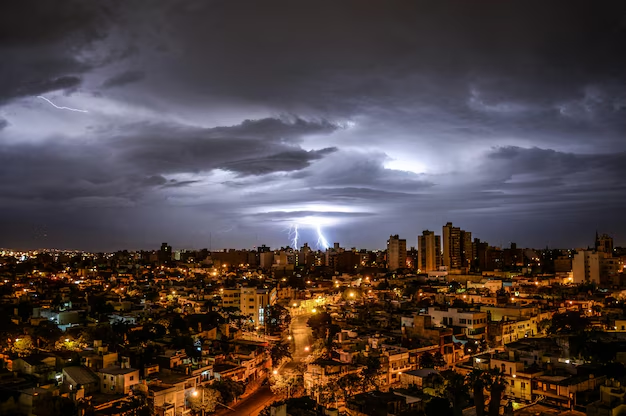
Severe Weather in Atlanta: What to Expect and How to Stay Safe
Severe weather in Atlanta, Georgia can arrive fast, change quickly, and affect everything from your commute on the Downtown Connector to flights at Hartsfield–Jackson. Whether you live in the city, are new to the area, or are planning a visit, understanding Atlanta’s severe weather patterns helps you make safer, smarter decisions year-round.
Atlanta’s Severe Weather: The Big Picture
Atlanta’s weather is shaped by its humid subtropical climate, its location in the Southeast U.S., and its slightly higher elevation compared to surrounding areas. The city doesn’t see the same level of extreme weather as some coastal or Plains regions, but it still faces a mix of serious hazards:
- Severe thunderstorms and tornadoes
- Flash flooding and urban flooding
- Occasional winter storms and ice
- Extreme heat and poor air quality
- Remnants of tropical storms and hurricanes
The risk changes by season, so it’s helpful to think about what kind of severe weather to expect at different times of the year.
Seasonal Severe Weather in Atlanta
Spring (March–May): Peak Severe Storm and Tornado Season
Spring is often Atlanta’s most active severe weather season:
- Strong thunderstorms with heavy rain, hail, and high winds
- Tornadoes, usually brief but sometimes damaging
- Frequent lightning and quick-moving storm fronts
Storms can move in quickly on warm, humid days—especially in the late afternoon or evening. If you’re commuting on I-75/85, I-20, or MARTA during these times, be prepared for sudden downpours and delays.
Summer (June–August): Heat, Humidity, and Pop-Up Storms
Summer in Atlanta brings:
- High heat and humidity, especially in July and August
- Afternoon thunderstorms, often short but intense
- Localized flooding, especially in low-lying urban areas
Many storms are “pop-up” storms: they form rapidly on hot afternoons and may bring strong gusty winds, cloud-to-ground lightning, and very heavy rain for 20–60 minutes.
Fall (September–November): Tropical Remnants & Secondary Storm Season
Fall is often more comfortable, but not always calm:
- Remnants of Gulf and Atlantic tropical systems can bring heavy rain and gusty winds
- A second, smaller severe weather season sometimes appears with stronger cold fronts
- Occasional flooding risks on already saturated ground
Even if a hurricane doesn’t make landfall in Georgia, Atlanta can still see heavy rain, downed limbs, and power outages from tropical remnants.
Winter (December–February): Cold Snaps, Ice, and Rare Snow
Atlanta winters are generally mild, but severe weather can still occur:
- Freezing rain and ice are bigger concerns than heavy snow
- Black ice on bridges, overpasses, and untreated roads
- Occasional winter weather advisories or warnings for light snow or wintry mix
Even a small amount of ice can shut down roads and cause widespread disruptions, as the city is not built for frequent heavy winter storms.
Main Types of Severe Weather in Atlanta
1. Severe Thunderstorms
Severe thunderstorms are common from late winter through early fall. They may include:
- Damaging straight-line winds
- Large hail
- Frequent lightning
- Very heavy rain
These storms can knock out power in neighborhoods from Buckhead to East Atlanta and bring down trees in older, tree-lined areas like Virginia-Highland, Kirkwood, and Southwest Atlanta.
Key tips for Atlanta residents and visitors:
- ⚡ Avoid sheltering under trees in parks like Piedmont Park or Grant Park during storms.
- ⚡ If you’re at outdoor venues (Truist Park, Mercedes-Benz Stadium area before a game), follow on-site safety announcements.
- ⚡ Plan for delays at Hartsfield–Jackson Atlanta International Airport during major thunderstorm events.
2. Tornadoes and Tornado Warnings
Atlanta is not in the heart of “Tornado Alley,” but tornadoes do occur in metro Atlanta, especially in spring and late fall. They may be:
- Short-lived but capable of damaging homes, businesses, and trees
- Embedded within a line of thunderstorms, sometimes hard to see due to rain or darkness
Tornadoes can affect any part of the city, from Downtown and Midtown to suburban areas like College Park, Decatur, or Sandy Springs.
If a Tornado Warning is issued in Atlanta:
- Go to the lowest level of a sturdy building (basement or interior room) away from windows.
- If you live in a high-rise, go to an interior hallway or stairwell on a lower floor.
- If you’re in a mobile home, plan ahead for a safer nearby shelter you can reach quickly.
- If you’re driving on I-285, I-20, or other highways, try to get off the road and into a substantial building if possible.
3. Flash Flooding and Urban Flooding
Heavy downpours can overwhelm storm drains in parts of Atlanta, especially in:
- Low-lying areas near streams and creeks (Proctor Creek, Peachtree Creek, etc.)
- Underpasses and tunnels on major roads
- Older neighborhoods with limited drainage capacity
Flooding can develop quickly during slow-moving thunderstorms or tropical remnants.
Flood safety in Atlanta:
- 🚫 Never drive through flooded roads. Even familiar routes like Northside Drive, Peachtree Road, or surface streets near downtown can hide deep water.
- Know if your home, business, or parking spot is in a flood-prone area.
- Pay attention when the National Weather Service (NWS Atlanta) issues Flash Flood Warnings for Fulton County or nearby areas.
4. Winter Storms, Ice, and Black Ice
Severe winter weather is infrequent but high-impact. When cold air and moisture overlap, Atlanta can see:
- Freezing rain that coats trees and power lines
- Black ice, especially overnight and in early morning
- Light snow, which can still cause major travel issues
Even small accumulations can create dangerous driving conditions on hilly or shaded roads.
During winter weather in Atlanta:
- Limit driving when winter storm or ice warnings are in effect.
- Expect school and business closures with even modest snow/ice forecasts.
- Pay attention to local guidance from the City of Atlanta, GDOT, and Atlanta Public Schools.
5. Extreme Heat and Air Quality
Summer heat in Atlanta can feel intense, especially in the urban core where pavement and buildings hold heat. Combined with humidity, this can:
- Stress the power grid (high AC use)
- Increase ozone and particle pollution, affecting air quality
- Create health risks for vulnerable residents outdoors for long periods
Heat advisories are more common in July and August, but may appear as early as June or as late as September.
Common Weather Alerts in Atlanta (What They Mean)
Here is a simple overview of alerts you’re likely to see from the National Weather Service (NWS) and local officials while in Atlanta:
| Alert Type | What It Means for Atlanta | What You Should Do |
|---|---|---|
| Watch (e.g., Tornado Watch, Severe Thunderstorm Watch) | Conditions are favorable for severe weather in the area. | Stay weather-aware, review your plan, monitor updates. |
| Warning (e.g., Tornado Warning, Flash Flood Warning) | Severe weather is happening or about to happen locally. | Take immediate protective action. |
| Advisory (e.g., Winter Weather Advisory, Heat Advisory) | Weather may cause significant inconvenience or risk. | Use caution, adjust travel and outdoor plans. |
| Special Weather Statement | Not as serious as a warning, but notable weather expected. | Pay attention; conditions may worsen. |
These alerts are typically issued for Fulton County and neighboring counties (DeKalb, Cobb, Clayton, etc.) that make up the metro area.
How to Stay Informed About Severe Weather in Atlanta
When storms hit metro Atlanta, they often move fast. Having multiple ways to get information is important, especially if power or cell coverage is disrupted.
Key Local Sources
National Weather Service – Atlanta Forecast Office
- Issues watches, warnings, and detailed forecasts for the region.
City of Atlanta / Fulton County Emergency Management
- Coordinates local response and community alerts.
Ready Georgia / Georgia Emergency Management and Homeland Security Agency (GEMA/HS)
- State-level preparedness guidance and alerts.
Local broadcast TV and radio (Atlanta-based stations)
- Often provide live radar tracking and street-level impact details.
Alerts on Your Phone
- Keep Wireless Emergency Alerts (WEA) enabled on your smartphone to receive Tornado Warnings, Flash Flood Warnings, and other critical alerts based on your location in Atlanta.
- Consider a weather radio with battery backup if you live in an area with frequent power outages or spotty cell coverage.
Preparing for Severe Weather at Home in Atlanta
Even basic preparation can make a big difference when storms hit. Focus on realistic scenarios for metro Atlanta: power outages, downed trees, blocked roads, and temporary loss of services.
Build a Simple Home Emergency Kit
Include:
- Bottled water and shelf-stable food
- Flashlights and extra batteries
- A battery-powered or hand-crank weather radio
- Basic first-aid supplies
- Copies of important documents in a waterproof folder
- Chargers and a fully charged power bank
Keep your kit in an easy-to-reach location, not buried in storage.
Prepare Your Property
- Trim dead or overhanging branches, especially near roofs, driveways, and power lines (work with a professional when needed).
- Secure or store loose items (patio furniture, grills, trash bins) before forecast high winds.
- Make sure gutters and storm drains on your property are cleared of leaves and debris to reduce flooding risk.
Have a Tornado and Severe Storm Plan
Know in advance:
- The safest interior room in your home (no windows, lowest level if possible).
- Where each family member should go and how to shelter quickly.
- How you’ll check in if you’re separated (text messaging often works better than calls during big events).
Severe Weather Safety When You’re Out in Atlanta
At Work, School, or Events
- Ask about the severe weather plan for your building or campus.
- Note the interior hallways or designated safe rooms.
- If you’re at large venues (State Farm Arena, Georgia World Congress Center, college campuses), pay attention to staff instructions and overhead messages.
On the Road
Atlanta’s highway system—I-75/85, I-20, I-285, GA 400—can become dangerous quickly during severe weather.
- Slow down in heavy rain and increase following distance.
- Avoid driving through standing water on city streets or underpasses.
- If a Tornado Warning is issued while you are driving, try to reach a sturdy building. If that’s not possible, avoid bridges and overpasses and follow local emergency guidance.
Using Public Transit (MARTA and Others)
Severe weather can affect:
- Above-ground MARTA rail lines
- Bus routes due to flooded roads or downed trees
Monitor MARTA service alerts during major storms and allow extra travel time.
What to Do After Severe Weather in Atlanta
Once a storm has moved through:
- Be cautious around downed power lines—report them to Georgia Power or local utilities; do not approach.
- Watch for fallen branches, broken glass, and debris on sidewalks and roads.
- If your home is damaged, document it with photos and contact your insurance provider when it is safe.
- Check in with neighbors, especially older adults or those who may need help.
If conditions become unsafe to stay in your home, listen for information about local shelters or warming/cooling centers, which may be announced by:
- City of Atlanta government
- Fulton County
- American Red Cross of Georgia and similar established organizations
Helpful Atlanta-Area Agencies and Contacts
These organizations are commonly involved in severe weather preparedness and response in the Atlanta area. Contact information is provided as a reference; always verify current details if you plan to visit in person.
City of Atlanta Department of Emergency Preparedness
- General city-level emergency coordination and planning.
Fulton County Emergency Management Agency
- Main county-level agency for Atlanta residents.
Georgia Emergency Management and Homeland Security Agency (GEMA/HS)
- Atlanta-area residents can look to GEMA/HS for statewide preparedness guidance.
National Weather Service – Atlanta Forecast Office
- Provides official forecasts, watches, and warnings for Atlanta and North Georgia.
When severe weather is in the forecast, these are the organizations most likely to coordinate alerts, assistance, and public guidance for people in Atlanta and the surrounding metro area.
Understanding severe weather in Atlanta means knowing which hazards are most likely, what seasonal patterns to expect, and how to respond when warnings are issued. With a basic plan, a few supplies, and reliable information sources, you can live in or visit Atlanta with much greater confidence, even when the weather turns severe.