
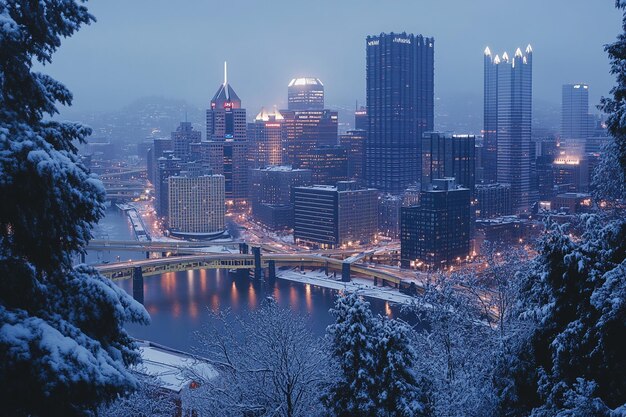
Does It Snow in Atlanta? A Local Guide to Winter Weather in the City
If you live in Atlanta or you’re planning a winter trip here, you might wonder what Atlanta snow is really like. Does it snow often? How much do we get? And how does the city handle it when it happens?
Here’s a clear, Atlanta-focused guide to what you can realistically expect.
Does Atlanta Get Snow?
Atlanta does get snow, but:
- It’s infrequent
- It’s usually light
- Big snow events are not every year
Most winters bring a dusting to a couple of light snowfalls, often mixed with sleet or freezing rain. Some winters bring almost no snow at all, while others have one disruptive event that shuts down roads and schools for a day or more.
Think of Atlanta snow as occasional and unpredictable, not a regular winter feature.
Typical Winter Weather in Atlanta
Atlanta’s winter weather is generally:
- Mild to cool: Many days are in the 40s–50s °F during the day
- Cold nights: Freezing temperatures are common overnight, especially in January and February
- Variable: You might see a 65°F afternoon followed by a cold rain or light freeze a few days later
When Is Snow Most Likely?
In Atlanta, snow chances are highest:
- From late December through early March
- With the peak likelihood in January and February
Snow is still uncommon even in these months, but if you’re going to see flakes, that’s when it usually happens.
Snow vs. Ice: What Atlanta Really Deals With
Many Atlanta residents will tell you: ice is often a bigger problem than snow.
Cold systems that move into north Georgia frequently bring:
- Cold rain
- A wintry mix (rain + sleet + snow)
- Freezing rain that can create slick roads and icy bridges
Because temperatures often hover right around freezing, roads, bridges, and overpasses can ice over quickly even if only a small amount of precipitation falls.
Key takeaway:
Atlanta winter “storms” are often more about ice and black ice than deep snow.
How Much Snow Does Atlanta Usually Get?
Atlanta’s average annual snowfall is low compared with northern cities. In practice, that means:
- Many years: Just a trace or dusting
- Some years: 1–3 inches total, often in one event
- Occasionally: A larger storm that can drop several inches in one day
Most snow that falls in the city:
- Melts within a day or two
- Sticks more on grass and elevated surfaces than on warm roads (unless it’s very cold)
- Arrives with cold, damp conditions that feel raw rather than deep-winter cold
Memorable Atlanta Snow Events
Atlanta doesn’t forget its big winter storms quickly. A few patterns locals recognize:
Rare heavy snow events can cause:
- Widespread traffic backups
- School and office closures
- Delayed flights at Hartsfield-Jackson Atlanta International Airport
“Snowmageddon”–type situations have happened when:
- Snow started falling during rush hour
- Temperatures dropped quickly
- Roads weren’t cleared in time
These events are not the norm, but they shape how the city, schools, and employers react when snow is in the forecast. It’s common to see preemptive closures or early releases anytime a winter storm is projected.
How Atlanta Prepares for Snow and Ice
Atlanta is not built for frequent heavy snow, but local agencies do prepare for winter weather, especially ice.
Road Treatment and Closures
When winter weather is expected, you’ll often see:
- Pretreatment of major roads and interstates with brine (saltwater solution)
- Priority treatment around:
- I-75, I-85, I-285, and GA-400
- Downtown connectors and major ramps
- Bridges and overpasses treated first, since they freeze faster
City and state crews typically focus on major corridors first, then work outward. Residential streets may remain slick longer.
Key agencies involved:
- Georgia Department of Transportation (GDOT)
- District offices coordinate highway treatment across the metro region
- City of Atlanta Department of Transportation (ATLDOT)
- Handles city streets and local routes within city limits
Residents often rely on local media, traffic apps, and city announcements for the most current road conditions and closures.
What Snow Means for Daily Life in Atlanta
Even a small snowfall can feel like a big deal in Atlanta, mainly due to infrastructure and preparedness, not just the amount of snow.
Schools and Work
- Schools in Atlanta and surrounding counties often:
- Close or delay classes when winter weather is expected
- Switch to remote learning in some cases
- Many workplaces:
- Allow remote work or flexible hours during winter storms
- Close early if conditions deteriorate during the day
If you have kids in Atlanta schools or activities:
- Expect robocalls, texts, or emails from your district ahead of winter weather
- Check early in the morning on potential delays or closures
Transit and Air Travel
- MARTA (Metropolitan Atlanta Rapid Transit Authority) may:
- Adjust bus routes if roads become hazardous
- Keep rail operations running when possible, but with delays
- Hartsfield-Jackson Atlanta International Airport can experience:
- Flight delays or cancellations during ice or snow
- Temporary runway closures for de-icing operations
If you’re flying in or out of Atlanta during a snow or ice forecast, it’s wise to:
- Arrive early at the airport
- Monitor flight status frequently
- Allow extra time between connecting flights
What to Do If You’re in Atlanta and Snow Is Forecast
If you live in or are visiting Atlanta and snow or ice is in the forecast, a little preparation helps a lot.
Before the Storm
✔️ Fuel up your car
✔️ Pick up essentials: water, basic groceries, any prescription medications
✔️ Charge devices: phones, power banks, laptops
✔️ Plan your schedule:
- Avoid unnecessary trips during peak snowfall or icing
- If possible, work from home or adjust your commute time
During the Event
- Stay off the roads if conditions look slick, especially at night
- If you must drive:
- Use slow, gentle braking and acceleration
- Avoid sudden lane changes
- Be very cautious on bridges, ramps, and hills
- Watch for black ice, which is common on shaded areas and overpasses
Around the Home
- Keep a flashlight and extra batteries handy in case of outages
- Have blankets and warm layers available
- If you live on a steep driveway or hill, be prepared that your vehicle may be temporarily stuck until things thaw
Where to Get Reliable Winter Weather Information in Atlanta
For Atlanta-specific snow and winter weather details, residents typically rely on:
- National Weather Service (NWS) – Atlanta forecast office
- Issues winter weather advisories, watches, and warnings
- Local TV stations and radio
- Provide real-time coverage, school closures, and traffic updates
- City and county government channels
- Announce road closures, emergency services changes, and public facility schedules
You can also contact Atlanta city services for general information:
City of Atlanta – Mayor’s Office & City Services
55 Trinity Avenue SW
Atlanta, GA 30303
Main information line (City Hall): (404) 330-6000
For road-related issues within the city, residents often look to the City of Atlanta Department of Transportation for updates shared through official channels and public notices.
How to Dress and Pack for Winter in Atlanta
If you’re visiting Atlanta between December and March, it’s wise to pack for cool, changeable weather with a small chance of snow.
Clothing Tips
- Bring a medium-weight jacket or coat
- Pack layers: long-sleeve shirts, light sweaters, and a heavier layer
- Include:
- Hat, gloves, and scarf for colder mornings and nights
- Water-resistant shoes or boots if snow or heavy rain is predicted
You usually don’t need full heavy-duty snow gear, but a warm, weather-resistant outer layer is helpful, especially if you’ll be outside during cold rain or a snow event.
Key Takeaways: Atlanta Snow at a Glance
| Question | Short Answer for Atlanta, GA |
|---|---|
| Does it snow in Atlanta? | Yes, but rarely and usually in small amounts. |
| When is snow most likely? | Late December–early March, especially January–February. |
| Is heavy snow common? | No. Larger storms happen occasionally, not every winter. |
| What’s the bigger issue: snow or ice? | Ice and black ice, especially on bridges and overpasses. |
| How does the city respond? | Treats major roads, adjusts school/work schedules, and issues advisories. |
| Do you need full winter gear? | Not usually, but layers and a warm coat are recommended. |
For someone living in or visiting Atlanta, snow is an occasional event, not a constant winter reality. When it does arrive, the main impact is often on roads, schools, and travel plans, so staying informed and flexible is the most practical approach.