
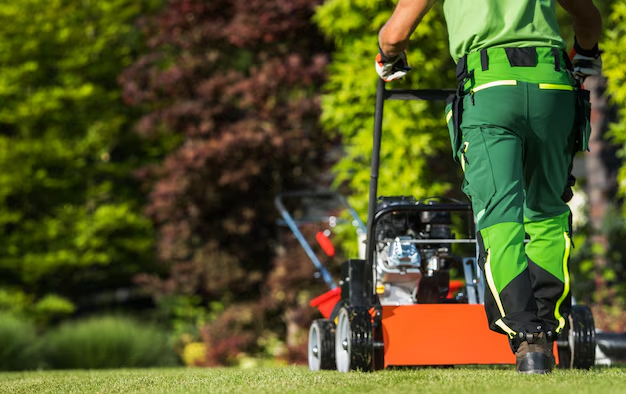
TruGreen Lawn Care in Atlanta: What Local Homeowners Should Know
Keeping a lawn healthy in Atlanta’s heat, humidity, and red clay soil can be a real challenge. If you are considering TruGreen lawn care in Atlanta—or any professional lawn service—it helps to understand what they typically offer, how it fits Atlanta’s conditions, and what to ask before signing up.
This guide walks through how TruGreen-style services work in Atlanta, common treatment options, local lawn challenges, pricing factors, and practical tips to decide if professional care is right for your yard.
How Lawn Care Services Like TruGreen Work in Atlanta
Most large lawn care companies in Atlanta, including TruGreen and similar providers, follow a program-based model:
- Regular visits (often 6–9 times per year)
- Seasonal treatments tailored to warm-season grasses
- Add-on services like aeration, overseeding (for fescue), tree and shrub care, and pest control
In the Atlanta area, homeowners typically have:
- Warm-season grasses: Bermuda, Zoysia, Centipede, St. Augustine
- Cool-season grass (more common in shaded or intown yards): Tall Fescue
Because Atlanta sits in a transition zone, lawns may react differently to treatments depending on neighborhood, shade, and microclimate. A lawn in Buckhead or Sandy Springs might need slightly different attention than one in Decatur or College Park due to soil, tree cover, and drainage.
Common Services Offered by TruGreen-Style Lawn Programs in Atlanta
While specific packages vary, services in Atlanta often include the following categories.
1. Fertilization for Atlanta Lawns
Professional services usually provide fertilizer applications timed to the season and grass type:
- Spring & early summer: Promote green-up and growth for Bermuda and Zoysia
- Mid to late summer: Maintain color without pushing excessive growth in the heat
- Fall: For warm-season lawns, usually lighter feeding; for fescue, stronger focus
- Winter: Sometimes a “winterizer” for cool-season grasses
In Atlanta, fertilizers often account for:
- Clay soil that can compact easily and hold nutrients unevenly
- Heavy rainstorms that can leach nutrients from the soil
Professional technicians typically adjust fertilizer rates based on lawn size and condition, and may recommend soil testing.
2. Weed Control (Crabgrass, Clover, and More)
Weed control is usually a big reason homeowners reach out for help.
Typical approaches:
- Pre-emergent weed control (late winter and early spring) to help prevent:
- Crabgrass
- Goosegrass
- Annual bluegrass
- Post-emergent weed control during spring and summer for:
- Clover
- Dandelions
- Nutsedge
- Broadleaf weeds common in Atlanta neighborhoods
In Atlanta’s climate, timing is critical. Pre-emergent control is often applied between late February and early April depending on weather. If this window is missed, crabgrass and other weeds can be harder to manage later.
3. Lawn Aeration (Especially Important in Atlanta’s Clay Soils)
Core aeration—pulling small plugs of soil from the lawn—is especially useful in metro Atlanta’s compacted red clay.
Benefits in the Atlanta area:
- Helps with drainage after heavy summer thunderstorms
- Reduces compaction from foot traffic, pets, and mowing
- Allows water, air, and nutrients to reach grass roots more easily
Many local professionals recommend:
- Aeration for Bermuda or Zoysia lawns: Typically once per year in late spring or early summer
- Fescue lawns: Aeration often combined with fall overseeding
4. Overseeding (Mainly for Fescue Lawns)
If your lawn is tall fescue—common in shaded areas of Atlanta like older intown neighborhoods—overseeding is often done:
- In the fall (September–October) when temperatures cool and rain is more reliable
- After or along with core aeration to help seeds contact soil
Bermuda and Zoysia lawns are usually not overseeded in the same way; they are typically rejuvenated through fertilization, weed control, and aeration, or occasionally through sod installation.
5. Insect and Disease Management
Atlanta’s warm, humid conditions can lead to:
- Insect issues:
- Grubs
- Armyworms (often late summer)
- Fire ant mounds
- Diseases:
- Brown patch in fescue
- Dollar spot and other fungal diseases in Bermuda/Zoysia
Many professional lawn programs offer optional insect and disease treatments. These are usually:
- Applied when signs of damage appear, or
- Sold as preventive options during high-risk seasons
If you suspect pests or disease, you can also contact the UGA Extension – Fulton County, which supports Atlanta residents with lawn questions:
They can help identify issues and suggest appropriate next steps.
6. Tree and Shrub Care
Some Atlanta-area lawn companies also offer:
- Deep-root fertilization for trees and shrubs
- Insect and disease treatments for ornamentals
- Seasonal inspections
This can be helpful if your landscape plants are as important to you as the turf.
Typical TruGreen-Style Lawn Care Schedule in Atlanta
Below is a general example of what a year of services might look like in the Atlanta area. Exact timing and content vary by provider, weather, and lawn type.
| Season | Common Focus for Atlanta Lawns |
|---|---|
| Late Winter | Pre-emergent weed control, light fertilization (if appropriate) |
| Early Spring | Additional pre-emergent, early season fertilizer, weed spot-treatments |
| Late Spring | Fertilizer for warm-season grasses, broadleaf and grassy weed control |
| Summer | Maintenance fertilization, spot weed control, insect monitoring/treats |
| Late Summer | Continued weed control, prep for fall (especially for fescue lawns) |
| Fall | Fescue aeration and overseeding, selective weed control, balanced feeding |
| Winter | Weed control for winter annuals, limited or no fertilizer for many lawns |
This is only a pattern, not a guarantee of any specific company’s schedule. Always review the program details you are offered.
Lawn Care Challenges Specific to Atlanta
Before you commit to any long-term lawn service, it helps to understand what makes Atlanta lawns unique.
1. Red Clay and Compaction
Most of metro Atlanta, including neighborhoods like East Atlanta, Cascade, Kirkwood, and Brookhaven, sits on heavy clay soil. Challenges include:
- Poor drainage in some yards
- Hard, compacted ground where grass struggles to root
- Water runoff instead of deep soaking
This is why aeration, proper watering, and reasonable traffic control are so important, regardless of which company you use.
2. Heat, Humidity, and Drought Periods
Atlanta summers can be:
- Hot (often in the 90s°F)
- Humid
- Occasionally dry for weeks
These conditions:
- Put stress on grass, especially cool-season fescue
- Encourage fungal diseases if lawns stay too wet
- Make consistent irrigation important
Professional lawn care can help with nutrient balance and weed control, but watering and mowing are usually your responsibility, even with full-service programs.
3. Shade from Mature Trees
Many intown neighborhoods and older suburbs have:
- Large oaks, pines, and maples
- Dense shade in front or back yards
Bermuda and Zoysia need full sun to perform their best. In heavy shade, a provider may suggest:
- Fescue in those areas
- A mix of turf and groundcovers or mulch beds
- Adjusted expectations about lawn thickness under trees
What Homeowners in Atlanta Should Clarify Before Signing Up
Whether you choose TruGreen or another company, it’s useful to ask these Atlanta-specific questions:
1. Which Grass Type Is Your Program Designed For?
Confirm:
- Do they differentiate between Bermuda, Zoysia, Centipede, St. Augustine, and Fescue?
- Will they adjust products and timing based on your lawn type and sun exposure?
A one-size-fits-all approach often leads to uneven results in Atlanta’s transition zone.
2. What Services Are Included—and What Cost Extra?
Typical inclusions vs. add-ons:
Usually included in a base program:
- Fertilization
- Weed control (pre- and post-emergent)
- Scheduled visits throughout the year
Often extra:
- Aeration
- Fescue overseeding
- Grub or armyworm treatments
- Fire ant treatments
- Tree and shrub care
- Disease control
Ask for a clear breakdown of what is and isn’t part of the quoted price.
3. How Are Service Calls and Re-Treatments Handled?
Many services in Atlanta:
- Offer return visits if you’re not seeing expected weed control or lawn response
- May have limitations on how often and under what conditions they return
Clarify:
- Is there a service guarantee or touch-up policy?
- How do you request a follow-up (phone, app, online portal)?
4. What Do You Need to Do as the Homeowner?
Even with full-service lawn care, you’re typically responsible for:
- Watering schedule (especially after treatments and in dry periods)
- Mowing practices (height, frequency, sharp blades)
- Pet and foot traffic management on newly treated or seeded areas
Ask for written care instructions tailored to Atlanta’s conditions, including:
- How long to wait before mowing after a treatment
- When and how much to water, especially in summer
Cost Factors for TruGreen-Style Lawn Care in Atlanta
Prices for professional lawn care in Atlanta vary based on:
- Lawn size: Smaller intown lots vs. larger suburban yards in areas like Alpharetta, Mableton, or Stone Mountain
- Current lawn condition: Weed-heavy, bare, or compacted lawns may need more work
- Number of visits per year
- Optional add-ons: Aeration, overseeding, pest control, etc.
For budgeting, many Atlanta homeowners find:
- Program-based services are billed per visit or as equal monthly payments
- There may be introductory offers for the first year, with different pricing afterward
When comparing providers, consider total annual cost, not just the first visit.
Local Resources to Help You Evaluate Your Lawn’s Needs
If you want a second opinion or to better understand your yard before or during a TruGreen-style program, there are local resources:
UGA Extension – Fulton County (Atlanta)
The University of Georgia Cooperative Extension offices can:
- Help identify grass types, weeds, and some pests
- Provide soil testing kits and analysis (for a small fee)
- Offer guidance on fertility and basic lawn care for north-central Georgia
Key office for much of Atlanta:
There is also a South Fulton office if that’s closer to you.
City and County Water Departments
Because watering restrictions can come into play during droughts, it’s wise to check with:
- City of Atlanta Department of Watershed Management
72 Marietta St NW, Atlanta, GA 30303
Main phone: (404) 330-6081
They can direct you to information on outdoor watering rules, irrigation schedules, and any current drought-related guidelines. Following these is important even when working with a professional service.
Tips If You’re New to Professional Lawn Care in Atlanta
If you’re just getting started:
Identify your grass type
Look at your lawn’s texture, color, and growth habit. If unsure, a local extension office or professional technician can help.Consider a soil test
In the Atlanta area, this can reveal pH and nutrient levels so that fertilization is not guesswork.Ask for a lawn assessment before committing
Many companies will walk your yard and explain:- Existing issues (weeds, bare spots, disease risk)
- Recommended plan and frequency of visits
- Expected timeline for visible improvement
Clarify expectations and timeframe
Lawns in tough shape rarely turn around in a few weeks. In Atlanta, it may take a full growing season or more to see major improvement, especially with compacted clay and heavy weed pressure.Stay involved
Even if professionals handle treatments, your mowing and watering habits heavily influence the final result.
Living in Atlanta means dealing with heat, humidity, and challenging soils, but with the right combination of professional care and homeowner maintenance, most lawns can significantly improve over time. Understanding how TruGreen-style lawn programs operate in Atlanta—and how they fit the specific needs of your yard—will help you make a clear, confident decision about whether this approach is right for you.