
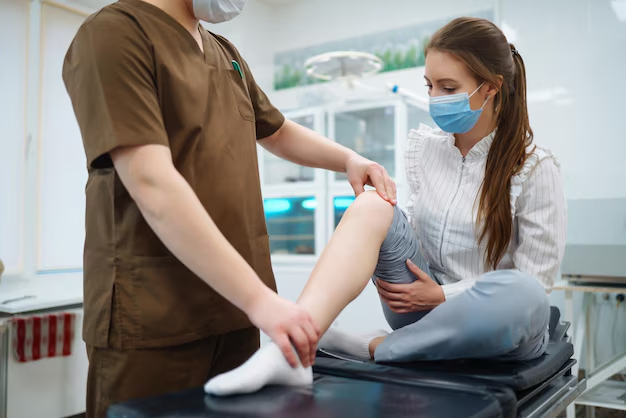
Wound Care in Atlanta: Where to Go and What to Expect
If you’re looking for wound care in Atlanta, Georgia, you’re not alone. From everyday cuts and burns to diabetic foot ulcers or surgical wounds that won’t heal as expected, many Atlanta residents and visitors need reliable, specialized care at some point.
This guide explains how wound care works in Atlanta, where you can go, what types of services are typically offered, and how to decide between urgent care, the ER, or a specialty wound clinic.
When Wound Care in Atlanta Becomes a Priority
Minor cuts and scrapes often heal with basic home care. In Atlanta’s climate—hot summers, humidity, and plenty of outdoor activities—wounds can sometimes be more prone to infection, especially if they’re not cleaned properly.
You may want professional wound care in Atlanta if you notice:
- A wound that hasn’t started improving after several days
- Increasing redness, warmth, swelling, or pain
- Pus or foul odor from the wound
- Bleeding that’s hard to control
- A wound in someone with diabetes, poor circulation, or a weak immune system
- A wound on the feet or lower legs, especially for people with diabetes or vascular disease
- A surgical wound that opens, drains, or looks infected
If you’re ever unsure whether a wound is serious, it’s safer to seek medical evaluation rather than wait.
Types of Wound Care Options in Atlanta
In Atlanta, wound care is available across several settings. Understanding the differences helps you choose the right level of care.
1. Emergency Rooms (ERs)
Use for: life-threatening or urgent injuries
Go to a hospital emergency department if you have:
- Heavy bleeding that doesn’t stop with firm pressure
- Deep or large wounds (especially of the head, neck, chest, or abdomen)
- Animal or human bites, particularly to the face or hands
- Suspicion of broken bones, serious burns, or crush injuries
- Signs of severe infection (fever, rapid heartbeat, spreading redness, feeling very sick)
Major Atlanta hospitals with emergency departments include:
- Grady Memorial Hospital – 80 Jesse Hill Jr Dr SE, Atlanta, GA 30303 | Phone: (404) 616-1000
- Emory University Hospital – 1364 Clifton Rd NE, Atlanta, GA 30322 | Phone: (404) 712-2000
- Piedmont Atlanta Hospital – 1968 Peachtree Rd NW, Atlanta, GA 30309 | Phone: (404) 605-5000
- Northside Hospital Atlanta – 1000 Johnson Ferry Rd NE, Atlanta, GA 30342 | Phone: (404) 851-8000
Most metro-area hospitals have 24/7 emergency care for traumatic or severe wounds.
2. Urgent Care Centers
Use for: non-life-threatening, but time-sensitive wound issues
Urgent care clinics around Atlanta can often handle:
- Cuts that may need stitches or skin glue
- Mild to moderate burns
- Minor animal bites
- Wounds that look mildly infected but you’re otherwise stable
Urgent care centers are spread throughout Midtown, Buckhead, Decatur, Sandy Springs, College Park, and other neighborhoods, and many are open evenings and weekends. They’re often faster and less costly than an ER for non-emergencies.
3. Specialized Wound Care Centers
Use for: chronic, slow-healing, or complex wounds
Atlanta has multiple hospital-affiliated wound care and hyperbaric centers that focus on:
- Diabetic foot ulcers
- Pressure injuries (bedsores)
- Venous and arterial ulcers on the legs
- Non-healing surgical wounds
- Radiation-related wounds
- Traumatic wounds that don’t progress with standard care
These centers are often staffed by multidisciplinary teams (physicians, nurses, podiatrists, vascular specialists, and others) who coordinate advanced treatment.
Examples of hospital systems in the Atlanta area that frequently offer wound care programs include:
- Grady Health System (Downtown)
- Emory Healthcare (various campuses, including Emory University Hospital and Emory Saint Joseph’s)
- Piedmont Healthcare (including Piedmont Atlanta Hospital and its surrounding facilities)
- Northside Hospital (Northside Atlanta and additional metro locations)
For the most current locations and hours, it’s best to call the hospital’s main number and ask for wound care services or wound healing center information.
4. Primary Care and Specialty Clinics
If you already have a primary care doctor, endocrinologist, or podiatrist in Atlanta, they may:
- Provide ongoing wound checks
- Adjust your medications if needed (for conditions like diabetes)
- Refer you to a wound specialty clinic or vascular surgeon if necessary
This pathway is often used when a wound problem is ongoing or tied to a chronic condition.
5. Home Health and Mobile Wound Care
For some Atlanta residents—especially older adults or those with limited mobility—home health agencies may provide wound care in the home under a doctor’s plan of care. Services might include:
- Dressing changes
- Monitoring for infection
- Coordinating with your doctor for treatment adjustments
This usually requires a referral and may depend on your insurance coverage and medical eligibility.
Common Wounds Treated in Atlanta
While every case is unique, wound centers and clinics in Atlanta frequently see:
- Diabetic foot ulcers – Common in people with diabetes; often require close foot care and pressure relief.
- Venous leg ulcers – Typically on the lower legs due to vein problems and poor circulation.
- Pressure injuries (bedsores) – Occur in people who sit or lie in one position for long periods.
- Post-surgical wounds – Incisions that open, drain, or heal slowly.
- Traumatic wounds – From car accidents, falls on Atlanta’s sidewalks or trails, or workplace injuries.
- Burns – From hot surfaces, cooking, or chemicals.
In many Atlanta wound care clinics, patients are evaluated not only for the wound itself, but also for underlying health issues that may be slowing healing.
What to Expect at an Atlanta Wound Care Visit
Most wound care centers in Atlanta follow a similar process:
Initial Evaluation
You may be asked about:
- How and when the wound occurred
- Your medical history (especially diabetes, heart disease, circulation problems, or smoking)
- Past treatments you’ve tried
- Any pain, drainage, or fever
The wound is typically:
- Measured and photographed for tracking
- Examined for signs of infection, dead tissue, or poor circulation
- Sometimes tested with lab work, imaging, or cultures, depending on the situation
Wound Cleaning and Debridement
Clinicians may carefully clean the wound and sometimes remove dead or unhealthy tissue (a process called debridement) to promote healing. This is a standard part of care in many Atlanta wound clinics.
Dressing and Protection
You’ll usually leave with:
- A specific type of dressing (gauze, foam, hydrocolloid, or others)
- Instructions on how often it should be changed
- Guidance on how to keep the area clean and protected at home
Follow-Up and Monitoring
Because wound healing is a process, Atlanta wound centers typically schedule multiple follow-up visits to:
- Reassess the wound
- Adjust the dressing type or frequency
- Address any new issues early
- Coordinate care with your other doctors if needed
Advanced Wound Treatments You May Find in Atlanta
Many Atlanta-based wound centers and hospitals offer advanced therapies when standard care is not enough. These may include:
- Negative pressure wound therapy (wound VAC) – A device that gently applies suction to remove fluids and support healing.
- Hyperbaric oxygen therapy (HBOT) – Carefully monitored treatment in a pressurized chamber using high levels of oxygen, sometimes used for certain non-healing wounds.
- Specialty dressings – Such as those designed to manage heavy drainage or support tissue growth.
- Compression therapy – Often used for leg ulcers linked to vein problems.
- Offloading devices – Boots, casts, or special footwear to keep pressure off foot wounds in people with diabetes.
Availability can vary by hospital system and clinic, so when you call to schedule, you can ask if they handle chronic or complex wounds and whether they offer the specific type of therapy you’ve heard about.
How to Decide Where to Go in Atlanta for Wound Care
Here’s a simple way to think about your options:
| Situation | Best First Step in Atlanta |
|---|---|
| Severe bleeding, deep or gaping wound, serious burn, or major trauma | Call 911 or go to the nearest ER (e.g., Grady, Piedmont, Emory, Northside) |
| Cut that may need stitches, small but painful burn, mild infection | Urgent care center near you |
| Wound not healing after weeks, recurrent ulcers, diabetic foot wound | Specialized wound care center or referral from your doctor |
| Minor cut or scrape, no signs of infection | Home care with over-the-counter supplies; contact a doctor if it worsens |
If you’re visiting Atlanta and not sure where to go, many people start with urgent care for non-emergencies. Staff can examine the wound and tell you if you need a hospital or specialist.
Insurance, Referrals, and Practical Steps
In the Atlanta area, access to wound care can depend on insurance and provider networks, so it helps to:
Call your insurance company
- Ask which Atlanta hospitals and wound centers are in-network.
- Confirm whether a referral is required for specialty wound care.
Contact the clinic or hospital directly
- Ask if they treat the specific type of wound you have.
- Check appointment availability and whether they accept your coverage.
Bring relevant information to your visit
- List of medications
- Details about your medical history
- Information on any previous wound treatments
For people without insurance, some Atlanta hospitals and community clinics may offer financial assistance programs or sliding-scale fees. You can inquire with:
- Grady Health System Financial Counseling – through the main hospital line
- Fulton County Board of Health – for information on safety-net and public health services
Local Considerations for Wound Care in Atlanta
Atlanta’s environment and lifestyle can influence wound care needs:
- Heat and humidity: Can increase sweating and moisture around bandages, so clinicians may recommend specific dressing types or more frequent changes.
- Outdoor activities: Hiking trails, the BeltLine, and parks can lead to minor injuries; cleaning and covering wounds promptly is important.
- Diabetes prevalence: Many Atlanta wound programs focus heavily on diabetic foot care, including education on footwear, foot inspections, and early treatment of sores.
If you live in areas with longer commute times—such as from the outer suburbs into central Atlanta—you may want a wound center close to home or work to make frequent follow-ups more manageable.
Basic At-Home Care and When to Seek Help
Without offering personal medical advice, general wound-care principles often discussed in Atlanta clinics include:
- Clean the wound gently with mild soap and water (unless told otherwise by a clinician).
- Keep it covered with an appropriate dressing rather than leaving it open to the air, unless a professional has instructed you differently.
- Watch for warning signs: increasing redness, warmth, swelling, pain, pus, bad smell, or fever.
- Avoid self-treating severe wounds with home remedies or unproven products.
If anything about a wound worries you—or if you have conditions like diabetes, poor circulation, or immune compromise—it’s reasonable to seek professional care early at an Atlanta clinic, urgent care, or hospital.
Key Takeaways for Wound Care in Atlanta
- You have options: emergency rooms, urgent cares, specialty wound centers, primary care doctors, and home health services.
- Use the ER for life-threatening or severe injuries, especially with major bleeding or trauma.
- Urgent care is often appropriate for minor but urgent cuts and burns.
- Specialty wound centers in major Atlanta hospital systems help with chronic, complex, or non-healing wounds.
- Always act quickly if you see signs of infection or poor healing—Atlanta providers can often intervene before a small issue becomes a bigger problem.
Whether you live in Atlanta full-time or you’re just visiting, understanding how local wound care works can help you get the right level of help, at the right place, and at the right time.