
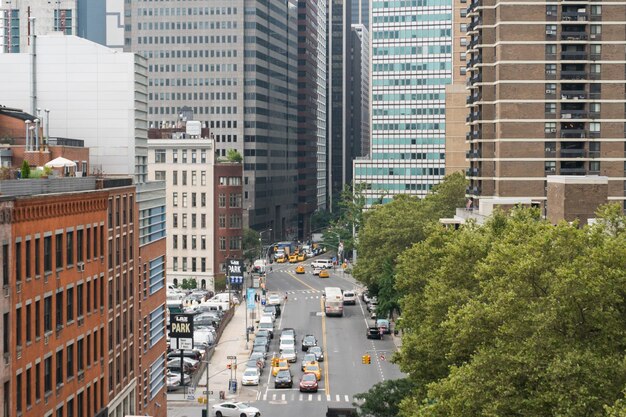
Navigating Downtown Atlanta Traffic: What Locals and Visitors Need to Know
Downtown Atlanta can be exciting, convenient, and…gridlocked. Whether you live in the city, commute in for work, or are visiting for a game or convention, understanding downtown Atlanta traffic will save you time, stress, and parking headaches.
This guide breaks down how traffic works specifically in Downtown Atlanta, when and where it’s worst, and what you can realistically do to move around more smoothly.
Key Things to Know About Downtown Atlanta Traffic
Downtown Atlanta is shaped by a few big factors:
- It sits at the crossroads of I-75, I-85, and I-20.
- It’s home to major attractions like Mercedes-Benz Stadium, State Farm Arena, Georgia World Congress Center, and Georgia State University.
- It has a mix of daily workers, students, tourists, and event crowds.
Because of this, traffic can swing from light and manageable to extremely congested depending on time of day, day of week, and events.
Typical Traffic Patterns in Downtown Atlanta
Weekday Rush Hours
On most weekdays, you can expect:
Morning rush (roughly 6:30–9:30 a.m.)
- Heavy inbound traffic on:
- I-75/I-85 (the Downtown Connector) in both directions near downtown
- I-20 east and west of downtown where it meets the Connector
- Slower surface streets like Peachtree St, Marietta St, Courtland St, Piedmont Ave, and Spring St.
- Heavy inbound traffic on:
Evening rush (roughly 3:30–7:00 p.m.)
- Heavy outbound traffic on the Downtown Connector.
- Congestion around parking decks near office towers, government buildings, and Georgia State University.
If you can, avoid entering or leaving downtown via the Connector during these windows or use MARTA instead.
Midday and Late Evening
Weekdays midday (10:00 a.m.–3:00 p.m.)
Generally more manageable, but:- Expect backups around construction zones.
- Anticipate slowdowns near Courtland St, Central Ave, and Pryor St where there are frequent deliveries and buses.
Late evenings (after 8:00 p.m.)
Typically lighter, unless there’s a major event letting out.
Weekends
Weekend traffic downtown can be:
- Light and easy when there are no major events.
- Extremely congested when there are:
- Falcons games, United matches, or concerts at Mercedes-Benz Stadium
- Basketball games or concerts at State Farm Arena
- Conventions at Georgia World Congress Center
- Large events near Centennial Olympic Park or downtown hotels
When events overlap, I-20, the Downtown Connector, and key streets like Northside Dr, Ivan Allen Jr Blvd, and Andrew Young International Blvd can stall for extended periods.
Major Roads and Chokepoints in Downtown Atlanta
Understanding the local layout will help you anticipate delays.
Highways Around Downtown
I-75/I-85 (Downtown Connector)
Runs north–south directly along downtown’s eastern edge.- Expect heavy congestion near:
- I-20 interchange
- Exit ramps for Courtland St, Piedmont Ave, Williams St, International Blvd, and Memorial Dr
- Even a minor incident can cause long backups.
- Expect heavy congestion near:
I-20 (East–West)
Crosses just south of the central business district.- Common slow areas:
- Westbound approaching Downtown Connector
- Eastbound near Capitol Ave/Hank Aaron Dr exits
- Common slow areas:
Key Surface Streets
Peachtree Street
Runs through the heart of downtown; heavy with pedestrians, hotels, and office buildings. Often slow but central and convenient.Marietta St / Decatur St
Big east–west corridor across downtown and into Georgia State University’s campus. Expect students, buses, and delivery traffic.Spring St, Ted Turner Dr, Courtland St, Piedmont Ave
Main north–south arteries feeding highway ramps and parking decks.Northside Dr
Important for Mercedes-Benz Stadium and Georgia World Congress Center access. Can become gridlocked before and after events.
Event Traffic: Stadiums, Arenas, and Conventions
If you’re going downtown for a game, concert, or convention, traffic planning matters more than usual.
Mercedes-Benz Stadium & State Farm Arena Area
Both are clustered around the northwest side of downtown, near:
- Northside Dr NW
- Martin Luther King Jr Dr
- Ivan Allen Jr Blvd
- Andrew Young International Blvd
Expect:
- Heavy congestion 1.5–2 hours before major events.
- Significant delays 30–60 minutes after events end, especially:
- Outside parking decks
- At major intersections leading back to I-20 and the Connector
Tip:
🚗 Arrive early and leave late if possible. Grabbing a meal before or after the event can help you avoid peak traffic surges.
Georgia World Congress Center (GWCC)
Conventions and trade shows can draw large crowds:
- Traffic builds on Northside Dr, Marietta St, and Ivan Allen Jr Blvd.
- Buses and rideshares often stack up along designated loading areas.
For big conventions, downtown surface streets can be just as slow as the highways, so consider MARTA or walking between venues and hotels.
Using MARTA and Other Alternatives to Beat Traffic
MARTA Rail
For many trips into downtown, MARTA can be faster and more predictable than driving.
Key MARTA stations for downtown:
Five Points Station (30 Alabama St SW, Atlanta, GA 30303)
- Main transfer hub for all rail lines
- Convenient for government buildings, courthouses, and offices
Peachtree Center Station (216 Peachtree St NE, Atlanta, GA 30303)
- Close to hotels, office towers, Peachtree St, and many restaurants
Garnett Station (225 Peachtree St SW, Atlanta, GA 30303)
- South side of downtown, near bus connections and some government facilities
Dome/GWCC/State Farm Arena/CNN Center Station
- For Mercedes-Benz Stadium, State Farm Arena, CNN Center, GWCC, and Centennial Olympic Park
MARTA administrative and customer service address (for general info, Breeze cards, etc.):
- Metropolitan Atlanta Rapid Transit Authority (MARTA)
2424 Piedmont Rd NE
Atlanta, GA 30324
Phone: (404) 848-5000
Streetcar and Shuttle Options
The Atlanta Streetcar historically has run a loop connecting Centennial Olympic Park, Peachtree Center, Edgewood Ave, and Sweet Auburn.
- If in operation during your visit, it can help you bypass short-distance driving and parking.
Many downtown hotels operate their own shuttles, especially to major venues. Ask your hotel if a shuttle or partner service is available on event days.
Walking and Cycling
Downtown Atlanta is walkable in its core area, especially:
- Around Peachtree St, Marietta St, Luckie St, Andrew Young International Blvd, and Centennial Olympic Park Dr
Walking can often be quicker than driving a few blocks when traffic is heavy.
Cycling is possible but:
- Traffic can be intense and some roads lack protected bike lanes.
- Look for routes with bike markings or quieter parallel streets when possible.
Parking in Downtown Atlanta (and How It Affects Traffic)
Finding parking is a big part of the traffic experience downtown.
Common Parking Options
Parking decks and garages near:
- Peachtree Center
- Georgia State University
- GWCC and CNN Center
- Stadium and arena parking lots
Surface lots scattered around the western and southern edges of downtown
On-street metered parking on some blocks, usually time-limited
How Parking Creates Bottlenecks
Traffic often slows because of:
- Cars circling blocks looking for cheaper or closer spots.
- Queueing at garage entrances on narrow streets.
- Drivers stopping in the lane to drop off or pick up passengers.
Tips to reduce parking-related delays:
- 🅿️ Pick a specific deck or lot in advance, especially on event days.
- Give yourself an extra 15–30 minutes to park and walk.
- Consider parking outside downtown near a MARTA station (e.g., at a northern or southern rail station) and riding in.
Downtown Atlanta Traffic by Time of Day: Quick Reference
| Time of Day | Typical Conditions in Downtown Atlanta | Best Strategies |
|---|---|---|
| 6:30–9:30 a.m. (weekday) | Heavy inbound on Connector & I-20; slow surface streets | Use MARTA; leave earlier; avoid tight schedules |
| 10:00 a.m.–3:00 p.m. | Moderate; construction/delivery slowdowns | Check navigation apps; use side streets |
| 3:30–7:00 p.m. (weekday) | Heavy outbound; crowded ramps & decks | Shift departure time; consider rail |
| Evenings, non-event | Generally lighter but some congestion near nightlife | Parking relatively easier; be cautious walking |
| Game/concert/Convention | Very heavy before/after events, especially near venues | Arrive early, stay late, or use MARTA |
Construction, Detours, and Ongoing Changes
Downtown Atlanta frequently has:
- Road construction and lane closures
- Utility work on key streets
- Temporary lane shifts near major development projects
These can suddenly change normal traffic patterns on:
- Courtland St, Piedmont Ave, and Peachtree St
- Streets around Georgia State University
- Areas near stadiums and Centennial Olympic Park
Before heading in, it’s wise to:
- Check a real-time traffic map on your navigation app.
- Allow extra buffer time if you have a court date, job interview, or medical appointment downtown.
Safe and Smart Driving Habits Downtown
Because downtown Atlanta is dense with pedestrians, riders, and vehicles, driving here requires a bit more patience and awareness.
Watch for Pedestrians and Cyclists
- Heavy foot traffic around Peachtree St, Five Points, and Centennial Olympic Park.
- Many visitors are unfamiliar with the area and may cross slowly or unexpectedly.
- Cyclists and scooters may share lanes with you; give them space and time.
Intersections and Right Turns
At busy intersections:
- Don’t block the box (sitting in the middle of the intersection when the light changes).
- Yield carefully when turning right on red, especially near crosswalks and MARTA stations.
Buses, Streetcars, and Rideshares
- Expect frequent stops and lane changes from buses and shuttles.
- Rideshares may suddenly stop at hotel fronts, arena drop-off zones, or curbside loading areas.
- Stay alert for brake lights and turn signals, and keep enough following distance to react.
Who Manages Traffic in Downtown Atlanta?
For issues related to signals, signs, or road conditions in downtown, these agencies are key:
Atlanta Department of Transportation (ATLDOT)
55 Trinity Ave SW, Suite 4350
Atlanta, GA 30303
Main City of Atlanta customer service (ATL 311): (404) 546-0311Georgia Department of Transportation (GDOT)
One Georgia Center
600 W Peachtree St NW
Atlanta, GA 30308
General information: (404) 631-1990
For highway incidents or serious hazards, 911 is the emergency number within Atlanta and across Georgia.
Practical Strategies to Handle Downtown Atlanta Traffic
To keep your trip smoother and less stressful:
- Plan around rush hour and events.
- Check if there’s a game, concert, or convention downtown before you go.
- Use MARTA when it makes sense.
- Rail access to Peachtree Center, Five Points, and stadiums is often faster than driving and parking.
- Park once, then walk.
- If you’re visiting multiple downtown spots, park in a central deck and walk instead of re-parking.
- Give yourself buffer time.
- Add 20–30 minutes to your normal estimate, especially if you must be on time.
- Stay flexible on routes.
- Use navigation with live traffic updates and be ready to take alternate streets around backups.
- Stay patient and alert.
- Dense traffic, confusing one-way streets, and lots of visitors mean surprise stops are common.
Understanding these patterns and options will help you move through Downtown Atlanta traffic with more confidence—whether you’re heading to work, catching a game, or just exploring the city.