
Food Carts in Atlanta: Where to Find Them and How They Work
Atlanta’s food scene isn’t just about sit-down restaurants and well-known food halls. Food carts in Atlanta add a flexible, on-the-go layer to the city’s dining options, especially around busy business districts, campuses, parks, and nightlife areas.
Whether you’re hunting down a quick bite or curious about how food carts operate here, this guide focuses specifically on how food carts work in Atlanta, Georgia—where to find them, how they’re regulated, and what to expect as a local or visitor.
How Food Carts Fit Into Atlanta’s Street Food Scene
Atlanta’s “street food” is a mix of:
- Food trucks (self-propelled vehicles with full kitchens)
- Food trailers (pulled behind another vehicle)
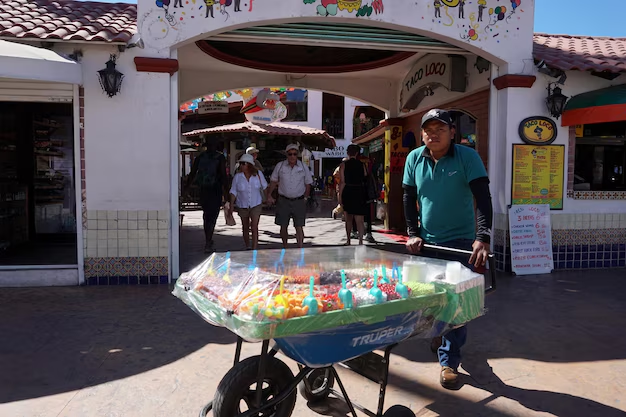
- Food carts (smaller, often pushed or towed units used for hot dogs, snacks, coffee, ice cream, and specialty items)
Food carts are especially common where:
- Walking traffic is steady (downtown business corridors, event spaces, MARTA stations)
- Space is limited (sidewalks, plazas, park edges)
- Quick, low-cost options are in demand (near schools, offices, nightlife)
Many vendors operate only during lunch, rush hour, or events, so availability can change by time of day and season.
Popular Areas to Find Food Carts in Atlanta
Food carts move around, but certain Atlanta neighborhoods and hubs consistently attract them.
Downtown & Around Government/Business Districts
You’ll often see food carts clustered where office workers and visitors are walking between buildings:
- Peachtree Street corridor (near major office towers and hotels)
- Areas around Woodruff Park
- Near the Georgia State Capitol and government offices
- Sidewalks near Five Points and major MARTA exits
Expect items like hot dogs, pretzels, grilled sausages, shaved ice, and snacks, especially on weekdays around lunchtime.
Near Parks and Recreation Areas
Outdoor spaces are natural homes for food carts when the weather is good:
- Centennial Olympic Park and nearby attractions
- Around Piedmont Park during festivals, races, and weekend events
- Edges of The BeltLine Eastside Trail near busy access points (e.g., Ponce City Market area, Krog Street Market area)
Food carts here often sell frozen treats, drinks, light snacks, and sometimes regional specialties when demand is high.
Sports, Concert, and Event Zones
Carts are common when crowds gather:
- Streets and sidewalks around Mercedes-Benz Stadium
- Around State Farm Arena
- Near Georgia World Congress Center during major events
- Concerts and festivals at large venues and outdoor stages
On big game or concert days, temporary carts may offer hot dogs, burgers, nachos, handheld snacks, bottled drinks, and simple sweets.
Campuses and Student Areas
College students create steady demand for quick, cheap options:
- Around Georgia State University (downtown)
- Areas surrounding Georgia Tech (Midtown), especially near main student pathways and some MARTA stops
Here you may find coffee carts, snack vendors, hot dog carts, and specialty food carts during peak class hours.
Typical Types of Food Carts You’ll See in Atlanta
Atlanta’s food carts are relatively varied, but most fit into a few common styles:
Hot dog and sausage carts
- Classic street food: hot dogs, sausages, condiments, chips, canned/bottled drinks.
Snack and beverage carts
- Chips, candy, granola bars, sodas, water, sports drinks—often near offices, tourist sites, and transit.
Ice cream and frozen treat carts
- Pre-packaged ice cream bars, popsicles, and sometimes shaved ice or Italian ice—especially near parks and playgrounds.
Specialty or cultural carts
- Depending on the day/event, you might see carts selling items like tamales, empanadas, or regional street snacks at festivals.
Coffee or breakfast carts
- In some high-traffic business areas, carts offer coffee, tea, pastries, and simple breakfast items in the morning hours.
Because carts are smaller and simpler than full food trucks, menus are usually short, focused, and quick to prepare.
When Are Food Carts Most Active in Atlanta?
You’re more likely to find food carts in Atlanta during:
- Weekday lunch hours (roughly 11:00 a.m. – 2:00 p.m.) in business districts and near campuses
- Event times (before and after games, concerts, conferences, and festivals)
- Weekends in parks and tourist areas, especially on sunny spring, summer, and fall days
- Evenings and late nights around busy nightlife areas during major events
On rainy or very cold days, many carts either don’t set up at all or pack up early.
Food Carts vs. Food Trucks in Atlanta
People often use “food truck” to describe all mobile food, but in Atlanta there are some key differences.
| Feature | Food Carts in Atlanta | Food Trucks in Atlanta |
|---|---|---|
| Size & Setup | Small, often push carts or towable units | Full vehicles with built-in kitchens |
| Typical Menu | Hot dogs, snacks, drinks, ice cream, basics | Full meals, diverse cuisines, specialty items |
| Locations | Sidewalks, parks edges, near transit & events | Designated lots, events, breweries, offices |
| Mobility | Moved manually or by towing | Driven from site to site |
| Permitting | Mobile food service permit + cart requirements | Mobile food service permit + vehicle rules |
If you’re looking specifically for food trucks with broader menus, you’ll often find them at organized events, breweries, or rotating “food truck nights,” while small carts tend to appear in more traditional sidewalk vending spots.
Health, Permits, and Safety: How Food Carts Are Regulated in Atlanta
Food carts in Atlanta are not informal operations; they’re expected to follow local food safety and permitting rules.
Who Regulates Food Carts?
Two main authorities are relevant:
Fulton County Board of Health – Environmental Health Services
- 10 Park Place South SE, Atlanta, GA 30303
- Handles food service permits and inspections in much of Atlanta.
City of Atlanta
- Oversees business licenses, vending locations, and certain public-space rules within city limits.
Vendors typically need:
- A food service permit (often a Mobile Food Service Establishment permit)
- Business licenses and tax registrations appropriate to their operations
- Approved commissary or base kitchen for food preparation and cleaning, if required
- Compliance with location rules (where carts can legally operate on sidewalks, in parks, and near events)
What Diners Should Look For
When you buy from a food cart in Atlanta, you can check for:
- Visible permit or license posted on the cart
- A generally clean setup (surfaces wiped, ingredients covered, waste managed)
- Food handled with gloves or utensils
- Hot foods kept hot, cold foods kept cold
If something appears unsanitary or feels off, most locals simply choose another vendor.
Paying at Food Carts: What to Expect
Payment options vary cart by cart:
- Many traditional carts still prefer cash, especially in high-traffic, low-priced snack areas.
- A growing number of vendors use mobile payment readers (connected to smartphones or tablets) that accept major credit and debit cards.
- Some carts accept mobile wallets or payment apps, but this is not universal.
🔑 Tip: If you’re depending on food carts for a meal—especially downtown or near events—keep a small amount of cash on hand in case the cart you want doesn’t take cards.
Tips for Finding Food Carts in Atlanta
Food carts are mobile and can be unpredictable day to day. To increase your chances of finding what you’re looking for:
Walk, don’t just drive
- Carts are easiest to spot on foot near busy sidewalks and park edges.
Aim for peak times
- Lunchtime on weekdays in downtown/Midtown
- Game or concert days around major venues
- Weekends in popular parks and along the BeltLine.
Look near major MARTA stations
- Stations like Five Points, Peachtree Center, and others downtown often have carts at busy times.
Explore during festivals and events
- Street festivals, neighborhood events, and large gatherings often attract both food trucks and food carts.
Considering Starting a Food Cart in Atlanta?
If you’re in Atlanta and thinking about operating a food cart, there are several local steps to understand:
1. Contact Health Authorities
Start with the Fulton County Board of Health – Environmental Health Services, or the relevant county health department if you’re outside Fulton but still in the metro area. They can guide you on:
- Requirements for a Mobile Food Service Establishment
- Approved equipment and cart design
- Commissary kitchen rules and inspection schedules
2. Check City of Atlanta Business and Vending Rules
Within city limits, you’ll usually need:
- A City of Atlanta business license
- Compliance with vending ordinances, which may govern:
- Where you can park or set up
- Distance from doorways, crosswalks, or intersections
- Rules for parks, sidewalks, and event zones
City offices and official websites provide current requirements and application instructions.
3. Plan Your Locations and Schedule
Successful Atlanta food cart operators typically:
- Focus on high-foot-traffic spots like downtown office areas, campuses, and event venues
- Adjust hours based on demand (e.g., weekday lunch near offices, evenings near events)
- Stay informed about local events, festivals, and game days to tap into larger crowds
How Food Carts Fit Into Daily Life in Atlanta
For locals, food carts can be:
- A quick lunch option between meetings downtown
- A convenient snack stop while walking through Centennial Olympic Park or along the BeltLine
- A budget-friendly bite before or after a game or concert
- An easy way to grab cold drinks or ice cream on hot summer days
For visitors, stopping at a food cart is a low-key way to experience Atlanta’s everyday street-level food culture, especially in the city center and around major attractions.
By understanding where food carts tend to cluster, when they’re active, and how they’re regulated, you can make the most of what Atlanta’s mobile food scene offers—whether you’re grabbing a quick hot dog near Peachtree Street or planning your own cart to serve hungry Atlantans.