
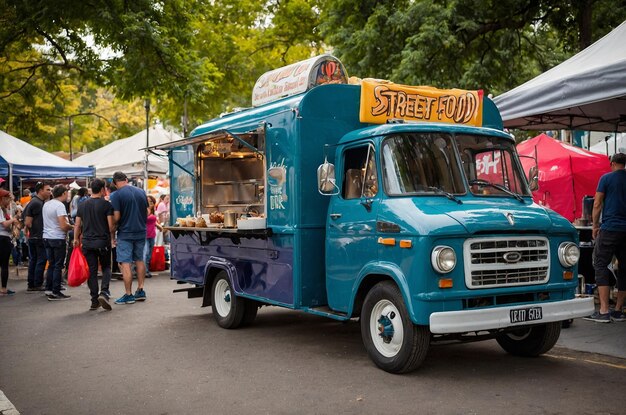
Where to Find Food Truck Spaces in Greater Atlanta: A Local Guide
Food trucks are a big part of Atlanta’s everyday food scene, from weekday lunch crowds downtown to weekend festivals in the suburbs. Whether you’re looking for where to eat at food trucks or you’re a food truck owner trying to find places to park and sell, Greater Atlanta has a mix of permanent pods, rotating lineups, and event-based spaces.
This guide focuses on real-world food truck spaces in and around Atlanta, Georgia—what they are, where they tend to be, and how they usually work.
The Main Types of Food Truck Spaces in Greater Atlanta
In the Atlanta area, you’ll generally see food trucks in a few key types of spaces:
- Permanent or semi-permanent food truck parks / pods
- Brewery and bar lots
- Office parks and corporate campuses (lunchtime spots)
- Farmer’s markets and weekly community events
- Festivals, special events, and fairs
- Private properties (businesses, churches, schools, apartments)
Each type has different rules, parking conditions, and customer flow. Understanding these helps whether you’re planning where to eat or where to set up your truck.
Popular Areas and Neighborhoods for Food Trucks
Greater Atlanta is spread out, and food trucks tend to cluster around certain neighborhoods and corridors where people are out walking, drinking, or gathering.
Intown Atlanta Hotspots
These Atlanta neighborhoods are especially active for food trucks:
- Midtown & Downtown – Lunchtime trucks serving office workers, plus trucks at events in places like Woodruff Park, Centennial Olympic Park area, and near Georgia State University.
- Old Fourth Ward & BeltLine Eastside Trail – Food trucks often appear near parks, mixed-use developments, and brewery patios.
- West Midtown / Upper Westside – Breweries, creative office spaces, and mixed-use developments that regularly host rotating trucks.
- Grant Park, Reynoldstown, Edgewood – Community events, church lots, and brewery nights with food trucks.
Metro Atlanta Suburbs
Outside the city, several metro areas have established food truck nights or regular truck activity, including:
- Sandy Springs / Dunwoody
- Decatur and Avondale Estates
- Smyrna / Vinings
- Marietta (especially around Marietta Square)
- Alpharetta, Roswell, and Johns Creek
- Lawrenceville and Duluth
- Peachtree City and Fayetteville
Local city governments and parks departments in these suburbs often sponsor weekly or monthly food truck events during spring, summer, and early fall.
Food Truck Parks and “Pods” in Greater Atlanta
Atlanta doesn’t have as many massive, permanent food truck parks as some other cities, but it does have a growing number of dedicated or semi-dedicated food truck spaces where multiple trucks rotate through a shared lot or courtyard.
You’ll typically see:
- Centralized seating (picnic tables, benches, sometimes covered areas)
- Rotating trucks rather than the same lineup every day
- Evening and weekend focus more than weekday lunch (varies by location)
These spaces often partner with breweries, markets, or retail centers, so customers can grab drinks, shop, and eat from the trucks all in one place.
Because specific parks and lineups change over time, it’s helpful to:
- Check local Atlanta event calendars
- Follow neighborhood social media pages
- Look up breweries and mixed-use developments that frequently host trucks
Breweries and Bars: Reliable Food Truck Partners
Atlanta’s brewery scene is one of the most consistent sources of food truck spaces. Many breweries within the city and around the metro area don’t run full kitchens, so they invite food trucks for their guests.
What this usually looks like:
- 1–2 trucks parked in the front or side lot
- Set daily or weekly rotation, sometimes posted on the brewery’s social media
- Family-friendly outdoor seating with games and music
Breweries in areas like:
- West Midtown / Upper Westside
- Grant Park / Summerhill
- Old Fourth Ward / Inman Park
- Decatur / Avondale
- Sandy Springs / Roswell / Alpharetta
often have regular food truck schedules.
If you’re a food truck owner, breweries can be a strong partnership opportunity. For customers, checking the brewery’s online schedule is one of the easiest ways to know which trucks will be where on a given night.
Office Parks, Hospitals, and Corporate Campuses
For weekday lunch, many Atlanta-area food trucks rely on office parks and large employers, especially in:
- Midtown and Downtown office towers
- Buckhead
- Perimeter Center (Sandy Springs / Dunwoody)
- Cumberland / Galleria area
- Technology and business parks in Alpharetta, Norcross, and Peachtree Corners
Common patterns:
- Trucks rotate Monday–Friday, typically during 11 a.m.–2 p.m.
- Property managers or tenant associations schedule the trucks.
- Access may be open to the public or targeted to employees only, depending on the property.
If you work in an office or managed property and want food trucks on-site, the property management office or building concierge is usually the first point of contact to arrange this.
Farmer’s Markets and Community Events
Many Atlanta food trucks also serve at farmer’s markets and regular community gatherings, usually held weekly or monthly.
Typical setups:
- Trucks and tents line the perimeter of a park, square, or city green space
- Mix of prepared food, local produce, and craft vendors
- Often family-friendly and pet-friendly
Some greater Atlanta communities known for regular markets and food truck presence include:
- Decatur – City green and neighborhood events
- Marietta – Events around Marietta Square
- Alpharetta – Downtown greens and mixed-use developments
- Duluth and Suwanee – City-sponsored events in town centers
- Smyrna – Seasonal events near the Village Green and local parks
Local city government websites and parks & recreation departments typically post seasonal event calendars listing when food trucks will be present.
Festivals, Fairs, and Special Events
Food trucks are a major fixture at Atlanta festivals and large events, including:
- Neighborhood festivals and block parties
- Music and cultural festivals
- Holiday celebrations and fireworks shows
- Large events at parks, stadium areas, and entertainment districts
Big festival-style days can be excellent for exposure and sales if you own a truck, but they usually involve:
- Application or vendor selection process
- Vendor fees or revenue percentage
- Health and fire safety checks on-site
Food truck operators in Atlanta often plan their schedules around these larger seasonal events, then fill in off-days with breweries, office parks, and private catering.
Private Properties: Apartments, Churches, Schools, and More
Another growing source of food truck spaces in Greater Atlanta is private property events, where a business or community invites trucks onto its property, such as:
- Apartment and condo communities
- Churches
- Schools and PTAs
- Gyms and fitness studios
- Car dealerships
- Co-working spaces
These may be one-time events (like a back-to-school night) or recurring visits (e.g., “Food Truck Fridays” at an apartment complex). The public may or may not be welcome, depending on the host’s policies.
Food truck owners usually connect with these hosts through:
- Direct outreach
- Word of mouth among neighboring communities
- Local business associations and neighborhood groups
Basic Rules and Permits for Food Truck Spaces in Atlanta
For food trucks to operate legally in Atlanta and the surrounding metro counties, a few common requirements usually apply:
Health and Food Safety
In the City of Atlanta and much of Greater Atlanta, food trucks are typically regulated by the appropriate county health department, for example:
Fulton County Board of Health
10 Park Place South SE, Atlanta, GA 30303
Phone: (404) 613-1205DeKalb County Board of Health
445 Winn Way, Decatur, GA 30030
Phone: (404) 294-3700Cobb & Douglas Public Health
Main Administrative Office (Cobb): 1650 County Services Pkwy, Marietta, GA 30008
Phone: (770) 514-2300Gwinnett, Newton, and Rockdale County Health Departments
Central office: 2570 Riverside Pkwy, Lawrenceville, GA 30046
Phone: (770) 963-5132
Food trucks generally need:
- A valid food service permit from the relevant county
- Compliance with handwashing, refrigeration, and food handling standards
- Periodic inspections, similar to brick-and-mortar restaurants
City of Atlanta and Local Business Licensing
Inside Atlanta city limits, food trucks typically require:
- A City of Atlanta business license
- A mobile food vending permit or equivalent (terminology and details can vary over time)
- Site-specific permissions when operating on public right-of-way or city property
For licensing questions within city limits, residents and operators can contact:
- City of Atlanta – Office of Revenue / Business Licensing
55 Trinity Ave SW, Atlanta, GA 30303
Main City Hall line: (404) 330-6000
(Ask to be directed to business licensing for mobile food vendors.)
In nearby cities (e.g., Decatur, Sandy Springs, Marietta, Alpharetta), operators usually need to check with that city’s business license or permitting office for local rules and event permitting.
Zoning and Parking Permissions
Even with health and business permits, a food truck must have permission to occupy a specific space, which may include:
- A written agreement with a private property owner (shopping center, brewery, office, apartment)
- A special event permit when operating as part of a festival or city event
- Adherence to parking and fire lane rules so emergency access is never blocked
Food trucks generally cannot just park on any street and start serving; Atlanta and many nearby cities restrict vending on certain roads or require specific approvals for public right-of-way use.
Finding Food Trucks in Atlanta as a Customer
If you’re just trying to eat from food trucks in Greater Atlanta, here are practical ways locals usually find them:
- Follow your favorite trucks on social media for posted weekly schedules.
- Check Atlanta breweries’ and markets’ schedules, which often list their rotating trucks.
- Look at city event calendars for places like Atlanta, Decatur, Marietta, Alpharetta, Duluth, Suwanee, and others for food truck nights and festivals.
- Join or search neighborhood groups (for example, for Grant Park, West Midtown, Old Fourth Ward, or your suburb) where food truck visits are often announced.
Finding Spaces in Atlanta if You Own a Food Truck
For operators, Greater Atlanta’s food truck spaces are competitive but varied. Owners commonly build their schedules from:
Brewery and bar partnerships
- Reach out to brewery managers and ask about their existing truck rotation and how to be added.
Office and corporate lunch stops
- Contact property management offices for large office complexes in Midtown, Downtown, Buckhead, Perimeter, Cumberland, and major suburban business parks.
City- and county-sponsored events
- Visit local city websites (Atlanta, Decatur, Marietta, Alpharetta, Duluth, etc.) and look for “special events,” “parks & recreation,” or “vendor opportunities.”
Apartment complexes and HOAs
- Many large communities host monthly food truck nights; contact the leasing office or HOA board.
Farmer’s markets and community fairs
- Each market typically has a manager who coordinates food vendors and trucks.
Private catering and corporate events
- These can fill in weekdays or evenings when public spots are slower.
Quick Reference: Who Regulates What?
Below is a simple overview of who typically handles which part of the food truck process in Greater Atlanta:
| Area of Responsibility | Who to Contact in Greater Atlanta | What They Usually Cover |
|---|---|---|
| Food safety & inspections | County health departments (Fulton, DeKalb, Cobb-Douglas, Gwinnett, etc.) | Food service permits, inspections, health rules |
| Business licensing (inside Atlanta) | City of Atlanta – Business Licensing / Office of Revenue | City business license, mobile vending permissions |
| Local business licensing (suburbs) | Individual city halls (Decatur, Marietta, Sandy Springs, etc.) | City business tax certificates, local vending rules |
| Use of city parks & streets | City parks and recreation / special events offices | Park event permits, food trucks at city events |
| Use of private properties | Property owners or managers | Written permission, event access, parking logistics |
Practical Tips for Enjoying and Using Atlanta Food Truck Spaces
A few final, Atlanta-specific pointers:
- Parking can be tight around in-town breweries and popular neighborhoods; plan ahead for rideshare, MARTA, or paid parking.
- Check schedules before you go—lineups rotate, and some spots are weather dependent.
- During hot, humid summers, shaded or evening events can be more comfortable, especially with kids.
- Many trucks in Atlanta accept cards and contactless payments, but it’s still helpful to bring a small amount of cash in case of connection issues.
- If you manage a property or event in metro Atlanta, touching base early with health departments and city licensing offices can prevent surprises later.
Greater Atlanta’s food truck scene is active and constantly evolving, but the general structure is stable: think breweries, office parks, city events, and community spaces as the backbone. Once you know which type of space you’re dealing with, it becomes much easier to find, enjoy, or operate food trucks across the region.