
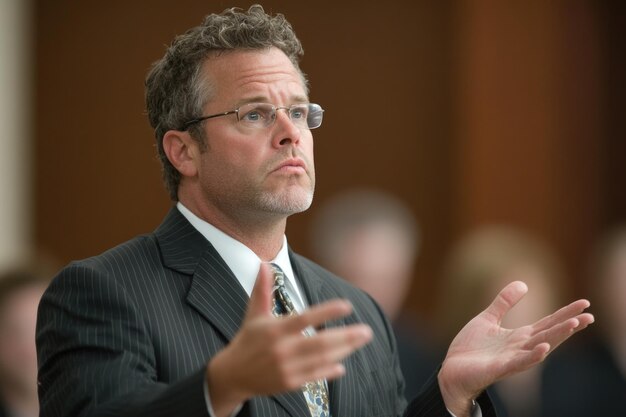
Understanding the Mayor of Atlanta, Georgia: Powers, Responsibilities, and How to Get Involved
The Mayor of Atlanta, Georgia plays a central role in how the city runs day to day and how it plans for the future. Whether you live in Atlanta, are moving here, or are simply trying to understand how local government works, knowing what the mayor does—and how to connect with City Hall—can help you navigate life in the city more confidently.
The Role of the Mayor in Atlanta
Atlanta has a strong mayor–council form of government. That means the Mayor of Atlanta is both the chief executive officer of the city and a visible leader on big-picture issues like development, transportation, housing, and public safety.
In simple terms, the mayor:
- Oversees how city departments operate
- Helps shape the city budget and priorities
- Works with the Atlanta City Council on laws and policies
- Represents Atlanta at the regional, state, and national level
If you care about things like road repairs, police presence, zoning, parks, trash pickup, and major development projects, the mayor’s office is almost always involved in some way.
How the Mayor Fits Into Atlanta’s City Government
Atlanta’s city government has several key parts that work together:
Mayor
The mayor is the top executive. Responsibilities generally include:
- Proposing the city budget and financial priorities
- Appointing leaders of city departments (like Public Works, Planning, and Parks)
- Directing policy initiatives on housing, transportation, and economic development
- Coordinating disaster response and emergency communications
Atlanta City Council
The Atlanta City Council is the legislative branch. It:
- Passes city ordinances (local laws)
- Approves or amends the mayor’s budget proposals
- Confirms many mayoral appointments
- Represents residents by council district and citywide (at-large seats)
The mayor often proposes policies, but those policies typically must be debated, amended, and approved by the council.
City Departments and Agencies
Under the mayor’s leadership, various departments and offices carry out the city’s work, such as:
- Atlanta Police Department (APD) – public safety and law enforcement
- Atlanta Fire Rescue Department (AFRD) – fire protection and emergency response
- Department of Public Works – streets, sanitation, and some infrastructure
- Department of City Planning – zoning, permitting, land use, long-term planning
- Parks and Recreation – city parks, recreation centers, and youth programs
These groups handle the services that residents see and use every day, and they ultimately report up through the mayor’s administration.
What the Mayor of Atlanta Actually Does Day to Day
While the mayor’s work can vary with each administration, there are common core functions that directly affect Atlanta residents.
1. Managing City Services and Operations
The mayor supervises the city’s overall operations, making sure services are being delivered effectively. This can include:
- Setting expectations for police coverage and community policing strategies
- Prioritizing pothole repairs, sidewalk upgrades, and street safety projects
- Supporting programs for homeless services, affordable housing efforts, and neighborhood stabilization
- Overseeing trash collection, recycling, and code enforcement
If you notice changes—positive or negative—in city services in your neighborhood, the mayor’s approach to management and priorities likely plays a role.
2. Setting Policy Priorities
The mayor helps shape long-term vision and short-term goals, often focusing on issues that matter deeply in Atlanta, such as:
- Transportation: MARTA partnerships, bike lanes, sidewalks, traffic management
- Housing and affordability: support for affordable housing projects, zoning changes, tenant protections
- Economic development: attracting new businesses, supporting local entrepreneurs, job creation
- Public safety: crime prevention strategies, youth programs, and community-based initiatives
These priorities are usually announced through policy plans, public speeches, and press conferences, and then implemented through the budget and department actions.
3. Budget and Finance
Every year, the mayor:
- Prepares and presents a proposed city budget
- Works with city departments to decide funding levels for services and projects
- Negotiates with the City Council on cuts, additions, or changes
The budget determines how much money goes to police, fire, parks, roads, arts programs, housing, and more, so the mayor’s financial decisions shape what you experience on the ground in Atlanta.
4. Appointing Key Officials and Boards
The mayor appoints many of the people who run important parts of city government, including:
- Department commissioners (for example, Public Works or City Planning)
- Members of certain boards and authorities related to zoning, development, and city services
These appointments influence how policies are interpreted and enforced. For example, who leads the planning department can affect how quickly permits are processed and how development is guided in neighborhoods.
5. Representing Atlanta
The mayor is often the face of Atlanta:
- In discussions with Fulton County, DeKalb County, and the State of Georgia
- At regional agencies focused on transportation, water, and planning
- In working with major institutions like Hartsfield-Jackson Atlanta International Airport, universities, and large employers
This representation can affect big issues like airport growth, transit expansion, and major corporate investments in the city.
How the Mayor Is Elected in Atlanta
If you live in the city and want a say in who leads it, it helps to know how the system works.
Election Cycle
- The Mayor of Atlanta is elected in citywide, nonpartisan elections.
- Elections are generally held every four years in odd-numbered years (for example, 2021, 2025).
- If no candidate gets more than 50% of the vote, the top two candidates typically go to a runoff election.
Who Can Vote
You can usually vote for mayor if:
- You are a U.S. citizen
- You are at least 18 years old by Election Day
- You are registered to vote at an address inside the City of Atlanta limits
Note that not all addresses with an “Atlanta” mailing address are inside the official city boundaries. Some areas in the metro region are in separate cities or unincorporated counties, so only residents within the City of Atlanta can vote in Atlanta’s mayoral elections.
How the Mayor Affects Everyday Life in Atlanta
If you live, work, or spend a lot of time in Atlanta, decisions by the mayor’s office can influence things like:
- 🚗 Your commute – Road projects, lane configurations, traffic signal plans, and how the city cooperates with MARTA
- 🏙️ Your neighborhood’s look and feel – Zoning decisions, building heights, density, and support for neighborhood planning units (NPUs)
- 🏠 Housing availability and cost – Incentives for affordable housing, redevelopment of older properties, and regulation of short-term rentals
- 🌳 Access to parks and recreation – Park improvements, trail expansions (like the BeltLine), and recreation center programs
- 👮 Public safety perception – How the city balances enforcement, prevention, and community programs
This is why many Atlanta residents follow mayoral announcements and local news: the changes often show up quickly in daily life.
Ways to Contact or Engage With the Mayor’s Office in Atlanta
If you want to ask a question, voice a concern, or share an idea, there are several ways to connect with the Office of the Mayor.
Main Mayor’s Office Contact
Atlanta City Hall
55 Trinity Avenue SW
Atlanta, GA 30303
Common contact options include:
- Main City Hall phone line – Typically used to connect with departments or the mayor’s office front desk
- Office of the Mayor / Constituent Services – Handles residents’ questions, complaints, and requests for help with city issues
Phone numbers and direct lines can change over time, but you can usually reach the mayor’s office by:
- Calling the main City Hall switchboard and asking to be transferred to the Office of the Mayor or Constituent Services
- Visiting City Hall during normal business hours to inquire at the front desk
When you contact the mayor’s office, be prepared to:
- Clearly describe your issue (for example, “illegal dumping on my street,” “concern about zoning near my home,” or “support for more bike lanes”)
- Provide your name, address, and best contact information
- Mention any case numbers if you are following up on a prior 311 request or prior communication
Using ATL 311 for City Service Issues
For many day-to-day service problems—potholes, missed trash pickup, broken streetlights—Atlanta encourages residents to start with ATL 311, the city’s customer service center.
Typical ways to access ATL 311 include:
- Dialing 311 from inside the city (or the local 10-digit number from outside certain phone systems)
- Using the city’s 311 website or mobile app to create a service request
If your issue is not resolved through 311 or you feel it needs higher-level attention, you may then choose to contact your city council member and/or the mayor’s office.
Working With the Mayor Through Neighborhood and Civic Channels
You do not always need to contact the mayor’s office directly to be heard. Atlanta has several local channels that help residents connect to City Hall decisions, including the mayor.
Neighborhood Planning Units (NPUs)
Atlanta’s Neighborhood Planning Unit (NPU) system is a key way for residents to weigh in on:
- Zoning changes
- Liquor license applications
- Major development proposals
- Community plans and priorities
Each NPU covers a group of neighborhoods. NPUs:
- Hold regular public meetings (often monthly)
- Take votes and offer recommendations that are shared with the City Council, planning staff, and the mayor’s administration
If you want your voice to reach the mayor on development, land use, or neighborhood planning issues, attending your NPU meeting is often one of the most effective starting points.
City Council Meetings and Public Comment
The mayor works closely with the Atlanta City Council, and council meetings are a place where residents can be heard on items the mayor proposes or supports.
You can typically:
- Attend council meetings at City Hall
- Sign up for public comment, where residents can speak on agenda items
- Submit comments or concerns in writing to council members, who may raise issues with the mayor’s office
This is particularly helpful if you’re concerned about:
- The city budget
- New ordinances impacting your neighborhood
- Large city-funded projects or contract approvals
How Visitors to Atlanta Are Affected by the Mayor’s Office
If you are visiting Atlanta, you may not vote for mayor, but you still experience the results of city leadership:
- Downtown and Midtown safety programs and hospitality services
- Event coordination for festivals, parades, and major conferences
- Support for tourism-related infrastructure like wayfinding signs, sidewalks, and public spaces
- Policies that shape the feel of popular areas like Buckhead, Old Fourth Ward, Westside, East Atlanta Village, and the BeltLine
If you encounter a serious safety, cleanliness, or accessibility concern during your visit, you can still make a report through ATL 311 or by contacting relevant city departments. While the mayor’s office might not respond to every visitor individually, the feedback can influence future decisions.
Key Things Atlanta Residents Should Know About the Mayor
Here’s a quick summary of what matters most if you live in or care about Atlanta:
| Topic | What It Means for You in Atlanta |
|---|---|
| Form of government | Atlanta has a strong mayor–council system; the mayor leads city operations and priorities. |
| Services impacted | The mayor’s administration affects police, fire, roads, trash, zoning, housing, and parks. |
| Elections | The Mayor of Atlanta is elected citywide every four years in nonpartisan elections. |
| How to raise issues | Start with ATL 311, then contact your council member or the mayor’s office as needed. |
| Neighborhood voice | NPUs and public meetings let you comment on development, planning, and city policies. |
| Where City Hall is | Atlanta City Hall – 55 Trinity Avenue SW, Atlanta, GA 30303. |
Understanding how the Mayor of Atlanta, Georgia fits into the city’s structure can help you make more informed choices, from how you vote to how you report problems on your block. Whether you’re a longtime resident, a new arrival, or a frequent visitor, knowing how the mayor’s office works gives you a clearer sense of how Atlanta is shaped—and how you can help shape it.