
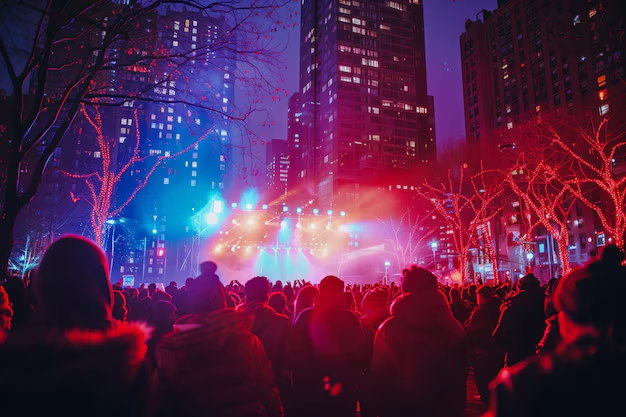
Atlanta, Georgia Nightclubs: Where To Go, What To Expect, and How To Do It Right
Atlanta’s nightlife is one of the strongest in the Southeast. Whether you’re into hip‑hop, house, Latin, Afrobeats, top‑40, lounges, or full‑on mega‑clubs, Atlanta, Georgia nightclubs offer something almost every night of the week.
This guide focuses on what someone actually needs to know on the ground in Atlanta: neighborhoods, typical dress codes, how to move around safely, cost expectations, and how the city’s club scene really works.
The Big Picture: How Atlanta’s Nightclub Scene Works
Atlanta’s club culture is anchored around a few key ideas:
- Music‑driven – Hip‑hop, R&B, and trap dominate, but EDM, Latin, Afrobeats, and house all have dedicated spaces.
- Neighborhood‑based – The feel of a night out depends a lot on whether you’re in Downtown, Midtown, Buckhead, Edgewood, or West Midtown.
- Late‑night energy – Many clubs stay busy until closing, with after‑party spots and late‑night food nearby.
- Sections and bottle service – At many Atlanta nightclubs, the social focus is often on VIP sections as much as the main dance floor.
If you’re visiting, you’ll notice Atlanta has more of a “party plus music culture” than a pure dance‑club style; locals often go out in groups, reserve sections, and treat nights out like events.
Key Nightlife Neighborhoods in Atlanta
Midtown: Central, Walkable, and Club‑Dense
Midtown is often the easiest starting point if you’re new to Atlanta nightlife.
What to expect:
- A mix of lounges, dance clubs, and LGBTQ+ spots.
- Easier to walk between venues than in most other neighborhoods.
- Plenty of food options before and after the club.
Midtown is also well served by MARTA rail (Midtown Station, Arts Center Station), which can reduce the need to drive or pay for expensive parking.
Buckhead: Dressy, Upscale Energy
Buckhead has a reputation for dressier nightlife and a more polished, bar‑and‑lounge mix.
Typical patterns:
- Stricter dress codes than casual neighborhoods like Edgewood.
- Bottle service and reservations are common on weekends.
- Many venues close to each other, but the area is more spread out than Midtown.
If you prefer a “night out” that leans toward upscale attire and curated playlists, Buckhead is a frequent go‑to.
Downtown & Centennial Area: Event‑Driven Nights
Downtown clubs and lounges tend to spike in energy when there are:
- Sports events at State Farm Arena or Mercedes‑Benz Stadium
- Conventions at the Georgia World Congress Center
- Big concerts or festivals close by
Parking and traffic are heavily event‑dependent, so check game and concert schedules if you plan to club Downtown.
Edgewood Avenue & Old Fourth Ward: Casual and Lively
The Edgewood corridor is often known for:
- More casual dress
- Mixed‑format nights (DJ sets, themed parties, mixed crowds)
- Short walks between several bars and lounges
If you like a more laid‑back, neighborhood‑bar‑meets‑club feel, Edgewood is worth exploring.
West Midtown & Warehouse‑Style Venues
West Midtown blends:
- Warehouse‑style dance floors
- Mixed music programming (EDM, house, live DJs, and hip‑hop)
- A younger crowd on many nights, with a strong “party night out with friends” feel
Driving or rideshare is more common here; walking venue‑to‑venue is less practical than in Midtown or Edgewood.
Typical Music Styles in Atlanta Nightclubs
Atlanta’s clubs are strongly music‑driven. You’ll see nights marketed clearly around genre.
Common styles:
- Hip‑Hop & Trap: Core to the city; many major venues build nights around Atlanta artists and Southern rap.
- R&B & Old School: R&B‑focused nights and “throwback” parties are popular, especially for 25+ crowds.
- Latin & Reggaeton: Look for Latin nights on specific days; some clubs run weekly Latin‑only events.
- Afrobeats & Amapiano: Increasingly common, especially at international‑leaning lounges and monthly events.
- EDM / House / Techno: More concentrated in certain West Midtown and Midtown venues and at special events.
- Top‑40 / Mixed Format: Many clubs play a blend of radio hits and club remixes.
If the music style matters a lot to you, always check the event flyer or club’s weekly schedule before you go; some venues completely shift genres depending on the night.
Dress Codes: What Atlanta Clubs Usually Expect
Dress codes vary, but there are common trends.
Commonly Expected for “Nightclub Ready” in Atlanta
For many mid‑to‑large clubs:
- Avoid: Athletic shorts, baggy sweatpants, jerseys, flip‑flops, house shoes.
- Often discouraged: Plain white tees, excessively distressed clothing, visible undergarments.
- Favored:
- Smart jeans or fitted pants
- Button‑down shirts, blouses, or stylish tops
- Clubwear dresses, jumpsuits, or coordinated sets
- Clean sneakers at some spots; dress shoes or heels at more upscale venues
In Buckhead and some Midtown clubs, expect the dress code to be stricter, especially on Friday and Saturday nights. Lounges and bars near Edgewood and some areas of West Midtown may be more relaxed, but still aim for neat and intentional.
🔑 Tip: Many clubs share dress code notes on their social pages or flyers. A 30‑second check can prevent being turned away at the door.
Age Limits, IDs, and Entry Basics in Atlanta
Most Atlanta, Georgia nightclubs are 21+ for alcohol service and general entry, especially after a certain hour.
What you’ll typically need:
- Valid government‑issued photo ID, such as:
- Driver’s license
- State ID card
- Passport
- The name on your ID should match any pre‑purchased tickets or reservation.
International visitors are generally expected to show a passport rather than a foreign driver’s license for smoother entry.
Some event‑driven or hybrid venues may allow 18+ entry for specific nights, especially concerts or special DJ events, but alcohol service still follows 21+ rules.
Cover Charges, Tickets, and Table Service
Cover Charges at the Door
In Atlanta, cover charges depend on:
- Night of the week (weekends and holiday Sundays are highest)
- Artist or DJ (special guests mean higher covers)
- Time you arrive (early entry can be cheaper or even free for some events)
It’s common for cover charges to increase later at night, especially after midnight on busy weekends.
Online Tickets & Guest Lists
Many clubs and promoters in Atlanta:
- Use advance tickets for big events or concerts.
- Offer discounted early‑bird tickets or guest‑list entry if you commit early.
- Use QR codes or digital confirmations at the door.
If you know your travel dates or plans, buying advance tickets can save money and reduce uncertainty at the door.
Sections and Bottle Service
In Atlanta, bottle service isn’t just a luxury add‑on; it’s often a central part of club culture.
Typical patterns:
- Groups reserve VIP sections that include seating, a minimum spend, and bottle packages.
- Sections usually have a dedicated server and are often located at prime viewing or dance‑floor edges.
- Pricing depends on:
- Night of week
- Location inside the club
- Required minimum spend or bottle commitment
If you’re celebrating a birthday, graduation, or reunion, booking a section is a common way locals structure their night.
Safety, Transportation, and Late‑Night Logistics
Getting To and From the Club
Atlanta is car‑heavy, but there are several options:
- Rideshare: Widely used for nightclub outings, especially on weekends.
- Designated drivers: Common for groups heading to Buckhead, West Midtown, or Edgewood by car.
- MARTA Rail:
- Useful for Midtown, Downtown, and Buckhead (Lenox/Buckhead stations).
- Trains do not run all night, so verify last train times if you plan to use MARTA late.
MARTA Customer Information Center
Phone: (404) 848‑5000
Main office: 2424 Piedmont Rd NE, Atlanta, GA 30324
Check current hours and schedules before relying on rail after late events.
Parking Considerations
Many Atlanta clubs use:
- Paid surface lots or garages near the venue
- Valet services in higher‑end areas
- Private lots with attendants on busy nights
To avoid issues:
- Follow posted signs to avoid booting or towing.
- Don’t leave valuables visible in your vehicle.
- Confirm whether lots accept cards, cash, or mobile payments.
Personal Safety Basics
Common guidance for going out in Atlanta:
- Stay with your group when moving between venues.
- Keep an eye on drinks; don’t accept open drinks from strangers.
- Have a clear plan for getting home before you start the night.
- Know a safe public location nearby (like a hotel lobby or well‑known restaurant) where you can wait for a ride if needed.
When Atlanta Nightclubs Are Busiest
While some venues are open multiple days, crowds tend to follow patterns:
- Thursday: Strong pre‑weekend energy; college and young professional crowds.
- Friday & Saturday: Peak nightclub nights citywide.
- Sunday: Atlanta is known for day parties and nightlife on Sundays, especially tied to brunch events, sports, or holiday weekends.
- Monday–Wednesday: More limited; some clubs and lounges host special industry or themed nights.
If you want maximum energy, plan for Friday, Saturday, or a well‑known Sunday party. If you prefer less crowding, aim for weeknights that still offer events, such as Thursday.
Costs: What a Night Out in Atlanta Might Look Like
Actual prices vary widely by venue and event, but here is a rough, simplified overview to help with planning:
| Expense Type | Typical Range in Atlanta (Per Person) | Notes |
|---|---|---|
| Cover charge | $10–$40+ | Big events and special guests can be higher. |
| Drinks (per drink) | $10–$20+ | Premium brands and cocktails cost more. |
| Rideshare (one way) | Varies by distance/time | Late‑night surge pricing is common. |
| Section / Bottle split | Hundreds+, usually split by group | Depends on group size and minimum spend. |
Use this as a planning frame, then check specific venues’ details for the night you’re going out.
Accessibility and Local Regulations to Keep in Mind
Accessibility
Some Atlanta nightclubs are located in older or multi‑level buildings. If you or someone in your group has accessibility needs:
- Call ahead to ask about ramps, elevators, restrooms, and seating.
- Ask about entrance logistics (some venues with stairs provide alternative entrances or staff assistance).
Local Ordinances and Noise Rules
Atlanta enforces:
- Alcohol service regulations that dictate last call and closing times.
- Noise ordinances that can affect outdoor patios or rooftop events.
Times and rules can adjust over the years, so it’s wise to check current expectations locally instead of relying on old assumptions.
Helpful Local Contacts and Info Resources
These Atlanta‑area resources can be useful when planning nights out or if problems arise:
City of Atlanta Mayor’s Office of Cultural Affairs
190 Marietta St NW, Atlanta, GA 30303
Main line (via City Hall): (404) 330‑6000
Can point residents and visitors toward official event information and cultural programming.Atlanta Police Department – Non‑Emergency Line
Phone: (404) 658‑6666
Use for non‑emergency concerns around nightlife districts.Atlanta Convention & Visitors Bureau (ACVB)
Office: 233 Peachtree St NE, Suite 1900, Atlanta, GA 30303
Phone: (404) 521‑6600
Helpful for visitors planning where to stay and how to organize nights out around big events.
Practical Tips for Enjoying Atlanta Nightclubs
To make the most of the Atlanta, Georgia nightclub experience:
- Plan your neighborhood first (Midtown vs. Buckhead vs. Edgewood, etc.).
- Check the night’s theme and music before you go.
- Confirm dress code via flyers or recent posts.
- Decide on parking or rideshare early and factor it into your budget.
- If celebrating with a group, coordinate arrival times and reservations so everyone goes in together.
- Keep a backup plan (a second nearby venue or a late‑night food spot) in case your first choice is at capacity.
With a bit of planning around neighborhood, music, and logistics, you can navigate Atlanta’s nightclub scene smoothly—whether you live in the city or are just in town for a few nights.