
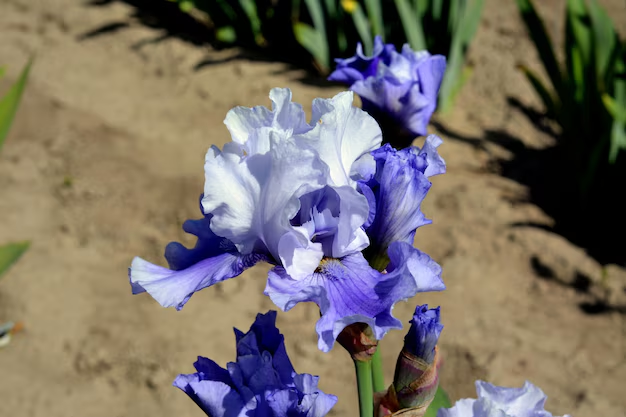
Iris in Atlanta, Georgia: Where to See, Study, and Celebrate This Iconic Flower
If you’re searching for “Iris Atlanta Georgia,” you’re likely interested in where to see irises in bloom, how to grow them in Atlanta’s climate, or where to connect with other iris enthusiasts locally. Atlanta’s mix of urban gardens, historic neighborhoods, and mild winters makes it a strong place for both bearded and Louisiana irises, as well as native species.
This guide focuses specifically on Atlanta, GA—where to go, what to plant, and how irises fit into local gardening and landscaping.
Iris Basics for Atlanta’s Climate
Atlanta sits in USDA Hardiness Zone 7b–8a, which is well-suited to many iris varieties. The most commonly grown types around the city include:
- Bearded irises – Classic, tall irises with “fuzzy” beards on the petals
- Siberian irises – Slender leaves, graceful flowers, good for borders
- Louisiana irises – Thrive in wetter areas, great near ponds and low spots
- Dutch irises – Often grown as cut flowers or seasonal accents
- Native irises – Such as Southern blue flag (Iris virginica), used in naturalized or rain garden settings
Key local conditions:
- Winters are mild, so most iris rhizomes survive without extra protection.
- Summers are hot and humid, which means drainage and air circulation are especially important.
- Clay-heavy soils are common in metro Atlanta and usually need amending for best iris performance.
Best Places to See Irises in Atlanta
Several public gardens and parks in and around Atlanta showcase irises in spring and early summer. Bloom times shift a bit each year, but late March through May is typically when you’ll see the most.
1. Atlanta Botanical Garden (Midtown)
Atlanta Botanical Garden
1345 Piedmont Ave NE
Atlanta, GA 30309
The Atlanta Botanical Garden often features irises in:
- Perennial borders and mixed beds
- The Southern Seasons Garden, where seasonal flowering plants are highlighted
- Occasional specialty collections or displays during peak bloom seasons
This is one of the best places in the city to see many different iris cultivars side by side. If you’re planning a garden in Atlanta, a visit here is useful for inspiration on color combinations, height layering, and companion plants that work in the local climate.
2. Historic Oakland Cemetery (Grant Park area)
Oakland Cemetery
248 Oakland Ave SE
Atlanta, GA 30312
Oakland is a historic cemetery and garden space, known for heirloom and old-fashioned irises scattered throughout family plots and ornamental beds. You may find:
- Older, scented bearded iris varieties
- Irises used in Victorian-style plantings
- Naturalized patches that have persisted for decades
It’s a good place to see how irises can be integrated into informal, long-lived plantings in Atlanta’s climate.
3. Local Neighborhoods and Public Parks
Many Atlanta neighborhoods, particularly areas with older homes and established gardens, showcase spectacular irises along sidewalks and in front yards. In season, look around:
- Inman Park, Virginia-Highland, Grant Park, and Druid Hills for historic garden styles
- City parks and community gardens, where volunteers often plant drought-tolerant perennials like irises
You’ll commonly see irises mixed with daylilies, roses, and hydrangeas, all popular in Atlanta landscapes.
Growing Irises in Atlanta: What You Need to Know
If you live in or near Atlanta and want to grow irises, focusing on the local conditions will give you the best results.
Choosing Iris Types for Atlanta
Commonly successful options include:
- Tall bearded irises
- Thrive in full sun and well-drained soil
- Offer the widest variety of colors and forms
- Intermediate or dwarf bearded irises
- Slightly shorter, good for smaller urban yards or front-of-border plantings
- Siberian irises
- Handle slightly heavier soil and partial sun better than many bearded types
- Louisiana irises
- Excellent near wet spots, rain gardens, or pond edges in Metro Atlanta
If you prefer a low-maintenance, natural look, consider native iris species that fit Atlanta’s rainfall and soil types.
Sun, Soil, and Water in Atlanta Yards
For most irises in Atlanta:
Sun:
- Aim for 6+ hours of direct sun daily.
- Light afternoon shade can help in very hot spots, but too much shade reduces flowering.
Soil:
- Atlanta’s red clay often needs help. For bearded irises, good drainage is essential.
- Improve the planting area with:
- Compost
- Pine bark fines or other organic matter
- Slow, shallow mounding to lift rhizomes slightly above grade if drainage is poor
Water:
- Irises are generally drought-tolerant once established, but they need consistent moisture while setting roots.
- Avoid overwatering bearded irises—standing water plus heat is a common cause of rot in Atlanta summers.
- Louisiana irises tolerate and even prefer wetter conditions.
When to Plant or Divide Irises in Atlanta
For Metro Atlanta, timing matters:
Best time to plant or divide bearded irises:
- Late summer to early fall (roughly August–October)
- This allows roots to develop before winter, with blooms the following spring or the one after.
Dividing irises:
- Every 3–4 years, when clumps become crowded and bloom starts to decline.
- Lift, separate healthy rhizomes, and replant in refreshed soil.
Container planting:
- Smaller irises can do well in containers on Atlanta balconies or patios if drainage is excellent.
Iris Care Tips Specific to Atlanta
Irises are relatively low-maintenance, but Atlanta’s heat, humidity, and clay soil add a few local considerations.
Seasonal Care Checklist 🌱
Early Spring (February–March)
- Clear dead leaves and debris to improve air flow.
- Lightly fertilize with a balanced or low-nitrogen fertilizer around, not on, the rhizomes.
Late Spring (April–May)
- Enjoy peak blooms.
- After flowering, remove spent flower stalks but leave green foliage so the plant can store energy.
Summer (June–August)
- Watch for soft or rotting rhizomes; remove any that seem mushy.
- Avoid overhead watering in the evening to reduce disease risk.
Fall (September–November)
- Divide and replant if needed.
- Trim back very tall, floppy foliage, but avoid cutting down too hard too early.
Managing Common Local Issues
Rhizome rot:
- More common in heavy clay and shaded, damp beds.
- Plant rhizomes shallowly, improve drainage, and avoid piling mulch directly on them.
Leaf spot and fungal issues:
- Encouraged by high humidity and crowded plantings.
- Space plants to increase air circulation and remove affected foliage from garden beds.
Poor blooming:
- Often due to too much shade, overcrowding, or planting rhizomes too deep.
- In Atlanta’s climate, irises usually bloom reliably if they have sun and space.
Where to Buy Irises in Atlanta
Atlanta residents have multiple options for obtaining iris plants or rhizomes.
Local Nurseries and Garden Centers
Many independent garden centers and larger nursery operations in the Metro area carry irises seasonally. When shopping:
- Ask for varieties suited to Zone 7b–8a.
- Check that rhizomes are firm, not soft or moldy.
- Look for clear labeling on height, bloom time, and sun requirements.
Because inventory and specific varieties change often, calling ahead is usually helpful if you’re seeking specialty iris types.
Plant Sales and Garden Events
Across Atlanta, irises sometimes show up at:
- Master Gardener plant sales
- Seasonal plant swaps and neighborhood garden clubs
- Garden events at public gardens or parks
These can be good places to find locally proven varieties that already do well in Atlanta’s conditions.
Iris Societies and Gardening Groups Near Atlanta
If you’re serious about irises—or just want gardening advice tailored to the Atlanta area—local and regional groups can be very helpful.
Regional Iris Connections
While there may not always be an iris society headquartered inside the city limits, Atlanta gardeners often connect with:
- Regional iris societies that hold meetings, shows, and rhizome sales within driving distance of Metro Atlanta
- General horticulture societies and garden clubs that include iris enthusiasts
These groups can help you:
- Learn which cultivars perform reliably in Atlanta’s heat and humidity
- Exchange rhizomes and growing tips
- See judged iris shows and displays during spring
General Gardening Organizations in Atlanta
Local gardening organizations sometimes include iris-focused talks or plant exchanges. You may find opportunities through:
- County-level Cooperative Extension offices around Atlanta
- Community gardens and neighborhood garden clubs
- Public garden volunteer programs
Many of these groups are easy to reach by phone or email and can share up-to-date information about iris events in and around the city.
Using Irises in Atlanta Landscapes
Irises are a strong fit for many common Atlanta yard layouts, from small in-town lots to larger suburban properties.
Front Yard and Curb Appeal
In Atlanta neighborhoods, irises are often used to:
- Line front walks and driveways
- Frame mailboxes or entry paths
- Anchor perennial borders along property lines
Because they bloom in spring and early summer, they pair well with:
- Daffodils and tulips (earlier spring bulbs)
- Roses (a classic Atlanta favorite)
- Daylilies and coneflowers for color continuing into summer
Backyard Beds and Mixed Borders
You can integrate irises into more relaxed or naturalistic designs:
- Plant in drifts of 5–7 rhizomes for visual impact.
- Mix taller irises at the back of a border with shorter perennials in front.
- Use Louisiana or native irises in wetter or low-lying parts of the yard.
With thoughtful placement, irises add seasonal color without dramatically increasing maintenance needs.
Quick Reference: Iris Basics for Atlanta Gardeners
| Topic | Atlanta-Friendly Guidance |
|---|---|
| Climate zone | USDA Zone 7b–8a |
| Best iris types | Bearded, Siberian, Louisiana, and selected native species |
| Planting time | Late summer to early fall (roughly August–October) |
| Sun needs | 6+ hours direct sun; light afternoon shade okay for some types |
| Soil considerations | Improve clay with compost; ensure good drainage for bearded irises |
| Watering | Regular while establishing; avoid standing water, except for wet-tolerant Louisiana types |
| Dividing | Every 3–4 years when clumps are crowded or bloom declines |
| Common local issues | Rhizome rot in heavy clay, fungal leaf spots in high humidity |
| Best viewing spots | Atlanta Botanical Garden, Oakland Cemetery, established intown neighborhoods |
Whether you’re walking through Midtown, exploring historic gardens, or planning your own landscaping, irises are a natural fit for Atlanta, Georgia. By choosing varieties that match local conditions and timing your planting correctly, you can enjoy reliable, colorful blooms year after year across the city and its surrounding neighborhoods.