
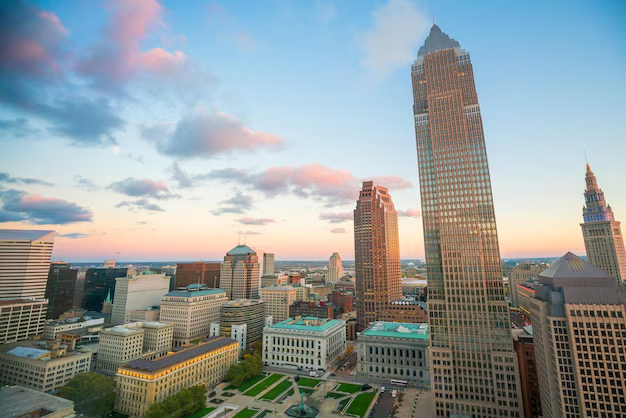
Midtown Atlanta, Georgia: A Local’s Guide to the Heart of the City
Midtown Atlanta is one of the city’s most walkable, vibrant, and recognizable neighborhoods. If you live in Atlanta, are planning a visit, or are deciding where to stay or work, Midtown is often the first place people look for a mix of culture, dining, business, and green space.
This guide breaks down what Midtown Atlanta is really like—where it starts and ends, how to get around, what to do, where key institutions are located, and what to know if you’re living, visiting, or working here.
Where Exactly Is Midtown Atlanta?
Midtown is the central part of Atlanta between Downtown and Buckhead. It’s not a separate city—it’s a major intown neighborhood within the City of Atlanta in Fulton County.
Common boundaries people use:
- South: roughly North Avenue
- North: around I-85 / Armour Yard area (before Buckhead)
- East: the BeltLine Eastside Trail & Piedmont Avenue
- West: I-75/85 (the Downtown Connector) and parts of West Midtown
Within Midtown, people often talk about smaller areas:
- Midtown Core: around Peachtree St NE and 10th St NE (Arts Center, high-rises, restaurants)
- Midtown Garden District / Historic Midtown: tree-lined residential streets east of Peachtree
- SoNo (South of North Avenue): transition area toward Downtown and Old Fourth Ward
- Tech Square / Midtown Tech Corridor: near Georgia Tech and Spring St/West Peachtree St
For mailing and navigation, you’ll most often see “Atlanta, GA 30308” or “30309” for Midtown addresses.
What Midtown Atlanta Is Known For
Midtown stands out in Atlanta for a few key reasons:
- Walkable streets with restaurants, shops, and high-rise living
- Arts and culture hub with major museums and theaters
- Business district with corporate offices and tech companies
- Easy transit access via MARTA rail and buses
- Proximity to green space like Piedmont Park and the Atlanta BeltLine
If you want a dense, urban feel in Atlanta where you can mostly park the car and walk or ride transit, Midtown is where many people look first.
Getting Around Midtown: Transit, Parking, and Walking
MARTA in Midtown
Midtown is one of Atlanta’s best-served neighborhoods for public transit. Three MARTA rail stations sit directly in or next to Midtown on the Red/Gold lines:
North Avenue Station
713 West Peachtree St NW, Atlanta, GA 30308Midtown Station
41 10th St NE, Atlanta, GA 30309Arts Center Station
1255 W Peachtree St NE, Atlanta, GA 30309
From these stations you can:
- Ride south to Downtown, the airport, and East Point/College Park
- Ride north to Buckhead, Sandy Springs, and Dunwoody
- Connect to MARTA buses serving neighborhoods like Virginia-Highland, Old Fourth Ward, and West Midtown
Walking and Biking
Midtown is one of the few areas in Atlanta where:
- Sidewalks are continuous and active
- Many daily needs (groceries, coffee, gyms, dry cleaners) are within a short walk
- Streets like Peachtree St, 10th St, 14th St, and West Peachtree St feel like true city corridors
For biking:
- Bike lanes run along parts of 10th St, Peachtree St, and Piedmont Ave
- The Atlanta BeltLine Eastside Trail is a short ride or walk from much of Midtown, especially east of Piedmont Ave and near Piedmont Park
Driving and Parking
Driving into Midtown is straightforward but can be congested during rush hours and weekends:
- I-75/85 exits feed traffic directly into Midtown via 10th St, 14th St, Spring St, and 17th St
- Most office buildings and apartment towers have garage parking
- Short-term visitors will find paid garages, surface lots, and metered street parking, especially near:
- Peachtree St NE
- 10th St NE
- 14th St NE
- Arts Center area (around 15th–17th streets)
If you’re visiting for an event, it’s common to MARTA in and walk rather than battle event parking.
Top Things to Do in Midtown Atlanta
Arts and Culture
Midtown is Atlanta’s primary arts district, anchored by several major institutions:
High Museum of Art
1280 Peachtree St NE, Atlanta, GA 30309
Known for rotating exhibits, modern and classic art, and family-friendly programming.Woodruff Arts Center (umbrella campus)
1280 Peachtree St NE, Atlanta, GA 30309
Home to:- Alliance Theatre
- Atlanta Symphony Orchestra
Center for Puppetry Arts
1404 Spring St NW, Atlanta, GA 30309
Popular for family shows and exhibits, including Jim Henson creations.
Many Midtown residents and visitors also enjoy smaller galleries and performance spaces sprinkled along Peachtree St, West Peachtree St, and surrounding blocks.
Parks and Outdoor Spaces
The biggest draw for many is Piedmont Park, which borders Midtown on the east side:
- Piedmont Park
Main Midtown access near 10th St NE & Charles Allen Dr NE- Large lawn areas and walking trails
- Dog park
- Seasonal festivals and events
- Direct access to the BeltLine (via at/near Monroe Dr & 10th St and the park’s east side)
Nearby, you’ll also find the Atlanta Botanical Garden at the park’s northern edge:
- Atlanta Botanical Garden
1345 Piedmont Ave NE, Atlanta, GA 30309
These green spaces give Midtown residents and visitors a convenient way to step out of the high-rise corridor and into nature without leaving the city.
Dining and Nightlife
Midtown offers a wide range of restaurants and bars, from quick bites to fine dining. Popular areas include:
- Peachtree St NE corridor – sit-down restaurants, cafes, and hotel bars
- 10th St NE & surrounding blocks – casual food, late-night spots, LGBTQ+-friendly nightlife
- 14th St and Crescent Ave area – bars, lounges, and dance clubs
- Piedmont Ave NE & Monroe Dr NE near the park – neighborhood restaurants and brunch spots
Alcohol-serving hours, noise ordinances, and zoning are regulated by the City of Atlanta, so nightlife tends to concentrate in specific commercial zones rather than on purely residential side streets.
Living in Midtown Atlanta
If you’re considering Midtown as a place to live, there are a few realities that tend to matter most: housing types, noise level, walkability, schools, and city services.
Housing Types
Midtown has a mix of:
- High-rise condos and apartments along Peachtree St, West Peachtree St, and Spring St
- Mid-rise and boutique buildings tucked on side streets
- Historic single-family homes and duplexes in the Midtown Garden District / Historic Midtown east of Peachtree
- Student-oriented housing closer to Georgia Tech and Tech Square
Lease terms, amenities, and pricing vary significantly by building, and many properties market themselves heavily on walkability to MARTA, Piedmont Park, and the BeltLine.
Noise and Urban Feel
Because Midtown is an active district:
- Expect street noise, especially near Peachtree St, major intersections, and nightlife areas
- Event days around Piedmont Park and the Arts Center can bring extra traffic and crowds
- Residential pockets east of Peachtree tend to be quieter and more neighborhood-like, especially near Myrtle St, Penn Ave, and Vedado Way
If you’re sensitive to noise, many locals suggest visiting the block at night and on weekends before signing a lease.
Schools and Universities
Public schools for Midtown addresses fall under Atlanta Public Schools (APS). Boundaries can shift, so residents often:
- Check APS’ official site or zoning tools using their exact address
- Ask property managers or owners to confirm current school assignments
Higher education nearby includes:
- Georgia Institute of Technology (Georgia Tech)
225 North Ave NW, Atlanta, GA 30332 (campus just west of Midtown over the Downtown Connector) - Savannah College of Art and Design – Atlanta (SCAD Atlanta)
1600 Peachtree St NE, Atlanta, GA 30309
These campuses bring a steady student presence to the broader Midtown area.
City Services and Local Governance
Midtown is fully within the City of Atlanta and Fulton County, so residents rely on:
- City of Atlanta for:
- Water and sewer service
- Trash and recycling pickup
- Zoning, permitting, and code enforcement
- Police (Atlanta Police Department, often Zone 5 for much of Midtown)
- Fulton County for:
- Property tax administration
- County courts
- Some health and human services
The Midtown Alliance, a long-established nonprofit organization, plays a major role in:
- Streetscape improvements
- Public art and beautification
- “Clean and safe” initiatives
- Community planning and neighborhood input
While it’s not a government body, many Midtown residents and businesses follow its updates for information on construction, streets, and local events.
Working in Midtown Atlanta
Midtown is one of the city’s largest office and employment centers, particularly for:
- Tech companies and startups (especially around Tech Square and Spring St)
- Law firms, financial services, and consulting firms
- Design, architecture, and creative agencies
- Healthcare and research organizations in and near the “Midtown medical” area
Key employment hubs include:
- Peachtree St NE corridor (office towers between 10th and 15th streets)
- Midtown Tech Corridor / Tech Square near 5th St NW and Spring St NW
- 17th St area near the border of Midtown and Atlantic Station
Professionals working in Midtown often:
- Commute via MARTA rail to Arts Center, Midtown, or North Avenue stations
- Use bike/scooter share for short hops between buildings
- Walk to lunch spots, coffee shops, and after-work restaurants nearby
Visiting Midtown: Where to Stay and What to Expect
If you’re visiting Atlanta and staying in Midtown, you’ll find:
- Hotels mostly along Peachtree St NE and 14th–17th streets
- Easy MARTA access from nearby stations, making it simple to:
- Reach Hartsfield–Jackson Atlanta International Airport directly on the Red/Gold line
- Connect to Downtown attractions like Centennial Olympic Park and State Farm Arena
- Travel north to Buckhead shopping areas
Many visitors choose Midtown because:
- It’s central to most intown neighborhoods
- Much of what you might want to see—museums, Piedmont Park, the Botanical Garden, dining—is within a short ride or walk
- It offers a more urban, high-rise feel than many other parts of Atlanta
Midtown vs. Other Atlanta Neighborhoods
If you’re deciding whether Midtown is the right part of Atlanta for you, it can help to compare it with nearby areas:
| Area | General Vibe | Why Choose It From Midtown? |
|---|---|---|
| Midtown | Urban, walkable, arts & business hub | You want transit, culture, nightlife, and high-rises |
| Downtown | Event- and stadium-focused, offices | Closer to government, corporate HQs, and big venues |
| Buckhead | Upscale, shopping, business | More malls, luxury retail, and some quieter pockets |
| Virginia-Highland / Inman Park | Historic, village-like | Quieter residential streets, craftsman homes, BeltLine access |
| West Midtown | Industrial-chic, dining, lofts | Trendy restaurants, adaptive reuse spaces, artsy feel |
If walkability plus easy access to both parks and offices is your priority, Midtown usually sits at or near the top of the list.
Practical Tips for Midtown Atlanta Residents and Visitors
Here are some quick, locally relevant pointers:
Plan for traffic:
🚗 Peachtree St and 10th/14th streets often slow during rush hour and on event days at Piedmont Park and the Arts Center.Use MARTA when possible:
For concerts, festivals, or large events, riding MARTA to Arts Center or Midtown Station and walking usually saves time and stress.Check parking rules:
Look carefully at street signs and meter hours; enforcement is active in commercial corridors.Know major landmarks:
If you’re giving directions, people often orient by:- Piedmont Park
- High Museum / Arts Center
- Midtown MARTA Station
- Tech Square / Georgia Tech
Stay aware at night:
Like most urban districts, Midtown is busy and generally lively after dark, but locals still recommend basic city awareness—sticking to well-lit streets, using rideshare pickup zones, and keeping valuables out of sight in parked cars.
Key Midtown Atlanta Contacts and Locations
These public-facing locations are useful for residents, workers, and visitors:
City of Atlanta – City Hall (Downtown, serving Midtown)
55 Trinity Ave SW, Atlanta, GA 30303
For permits, water service, property inquiries, and general city services.Atlanta Police Department (APD) – Zone 5 (serves much of Midtown)
Zone boundaries and office locations can change; current contact details are typically available through the City of Atlanta or APD’s main non-emergency line:
Non-emergency (Atlanta Police): 404-614-6544
Emergency: 911MARTA Customer Service (for Midtown transit questions)
Main phone (commonly used by riders): 404-848-5000
Stations serving Midtown: North Avenue, Midtown, Arts Center (see addresses above).Piedmont Park Conservancy (operating partner for Piedmont Park)
Administrative offices are near the park; most visitors simply use the park entrances around 10th St NE, 12th St NE, and Monroe Dr NE.
Midtown Atlanta, Georgia, is where many of the city’s defining features come together: skyline towers, MARTA rail, major arts institutions, Piedmont Park, and a dense concentration of restaurants and nightlife. Whether you’re moving in, spending a weekend, or commuting here daily, understanding how Midtown is laid out, how to get around, and where key amenities are located will make your time in this part of Atlanta smoother and more enjoyable.