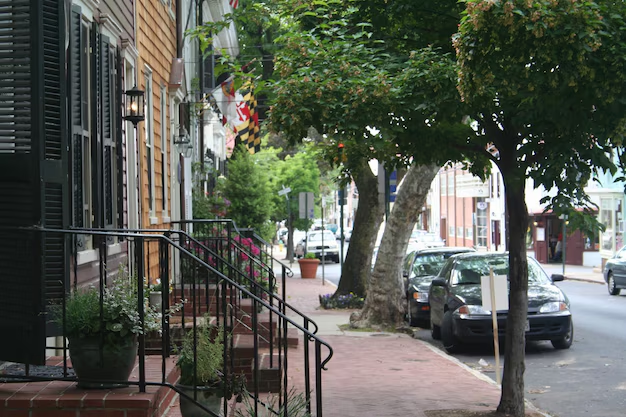
West Atlanta is one of the most dynamic and quickly changing parts of the city. Whether you live in Atlanta, are thinking about moving here, or are planning a visit, West Atlanta, Georgia offers a mix of historic neighborhoods, new development, cultural landmarks, and everyday conveniences that feel distinctly local.
This guide walks through what people usually want to know about West Atlanta: where it is, what the neighborhoods are like, how to get around, what to see and do, housing basics, and key local services.
When locals say “Westside” or “West Atlanta,” they usually mean the area west of Downtown and Midtown, generally around and beyond:
It’s not a single official district, but a collection of historic Black neighborhoods, industrial corridors turning into trendy districts, and long-established residential areas.
Some of the best-known parts of West Atlanta include:
People sometimes separate “West Midtown” and the “Upper Westside” from “traditional” West Atlanta, but for everyday purposes, locals often lump them together as the Westside.
West End is one of Atlanta’s oldest neighborhoods and a center of West Atlanta culture and history.
What it’s known for:
Popular local landmarks and activity hubs include:
Residents and visitors often come to West End for cafés, vegan spots, bookstores, and cultural events, especially along Ralph David Abernathy Blvd SW.
Directly west of West End, Westview is a residential neighborhood with easy access to I-20 and the BeltLine.
Highlights:
Westview attracts people looking for a quieter feel than central Atlanta while still being only a short drive or bus/MARTA ride from downtown.
Mozley Park sits along I-20 west of Downtown and is recognized for its mid-century homes and civil rights history.
Locals value:
It’s a good example of traditional West Atlanta neighborhood character: established, rooted, and relatively close-knit.
Grove Park is north of Donald Lee Hollowell Pkwy, not far from the Westside Reservoir Park and Proctor Creek.
What stands out:
Grove Park has been the focus of community revitalization efforts, with attention on balancing new investment and existing resident needs.
Just northwest of Downtown and the Mercedes-Benz Stadium, English Avenue and Vine City carry deep historical significance.
Key points:
Residents and community groups often work actively on housing, safety, and infrastructure improvements, while trying to preserve neighborhood identity.
Further west, closer to I-285, are Adamsville and Collier Heights.
Collier Heights is particularly notable for:
Adamsville features:
These areas are popular with people looking for larger lots and single-family homes while still staying in the City of Atlanta.
Several MARTA rail stations directly serve West Atlanta or sit on its edge:
These stations connect West Atlanta residents to:
MARTA also runs bus routes throughout West Atlanta along roads like:
For schedules, fares, and route planning, you can contact MARTA:
If you drive, some of the key West Atlanta corridors include:
Parking can be relatively easier in most residential parts of West Atlanta than in Midtown or Downtown, though around major events (near the stadium or BeltLine), it can tighten.
West Atlanta is seeing more sidewalk, trail, and bike infrastructure than in the past.
Notable options:
For updates on trail construction and park openings, you can check with:
West Atlanta has a growing network of parks, greenways, and recreation centers.
Here is a simple overview of some of the most notable parks in West Atlanta:
| Park / Area | Where It Is | What to Expect |
|---|---|---|
| Westside Reservoir Park | Near Grove Park / NW Atlanta | Lake views, trails, skyline overlooks |
| Mozley Park | Mozley Park neighborhood | Walking paths, sports fields, playground |
| Adams Park | Near Campbellton Rd SW | Pond, tennis courts, recreation facilities |
| Howell Park | Near Donald Lee Hollowell Pkwy | Neighborhood park, open green space |
| Washington Park | Near Ashby MARTA Station | Historic park, pool, sports fields |
| West End Trail & Parks | West End / Westview BeltLine area | Walking and biking trail, access to side parks |
These parks are suitable for:
For pool hours, recreation center programs, or rentals, contact the Atlanta Department of Parks and Recreation at the number above or visit their main offices.
West Atlanta is rich in civil rights, education, and arts history.
Important institutions and areas include:
Atlanta University Center (AUC) – cluster of historically Black colleges and universities:
AUC Woodruff Library – serves AUC students and scholars; hosts archives related to African American history.
West End and Westview – contain historic districts, locally preserved homes, and cultural centers.
Several churches, community centers, and small museums in West Atlanta also contribute to its religious, artistic, and activist traditions.
West Atlanta’s food scene leans local, eclectic, and community-oriented, with plenty of:
For nightlife, West Atlanta is more laid-back than Midtown or Buckhead but you can find:
Visiting or new residents often explore the Westside for authentic Atlanta experiences away from the more tourist-heavy zones.
West Atlanta is known for more affordable housing options compared to some in-town neighborhoods, but prices have been rising in many areas.
Common housing types include:
People looking at West Atlanta often weigh:
For current property information, you can contact Fulton County government offices:
Fulton County Board of Assessors (for property records and assessments)
235 Peachtree St NE, Suite 1400, Atlanta, GA 30303
Main line: 404-612-6440
City of Atlanta Department of City Planning (for zoning and development questions)
55 Trinity Ave SW, Suite 3350, Atlanta, GA 30303
Main line: 404-330-6070
West Atlanta is primarily served by Atlanta Public Schools (APS).
Neighborhoods in West Atlanta may feed into schools such as:
Because school zoning can change as attendance lines are updated, families usually:
Contact APS directly for zoning, enrollment, or program information:
For higher education, West Atlanta is very close to:
West Atlanta is served by the City of Atlanta Police Department and Atlanta Fire Rescue Department, divided into multiple zones and stations.
For non-emergency questions (such as neighborhood watch, reports that are not urgent, or zone information):
In an emergency, residents and visitors should dial 911.
Most municipal services for West Atlanta are handled by the City of Atlanta.
Common reasons Westside residents contact the city include:
Key contact point:
Here are some quick, practical pointers if you’re spending time in West Atlanta:
Plan transit routes in advance.
Many areas are served by MARTA, but bus frequency and connections can vary by time of day.
Use major landmarks as orientation points.
The Mercedes-Benz Stadium, West End MARTA Station, and Westside Reservoir Park are good anchors for navigating the area.
Expect a mix of old and new.
You’ll see historic homes next to new construction, and longstanding neighborhood businesses alongside newer restaurants and cafés.
Pay attention to parking rules.
Near transit stations, stadium events, and BeltLine entrances, watch for signs related to time limits and residential-only zones.
Get involved locally if you live here.
Many West Atlanta neighborhoods have active neighborhood associations and NPU (Neighborhood Planning Unit) meetings where residents can learn about development, zoning, and community initiatives.
Someone interested in Atlanta’s history, culture, and evolving neighborhoods often finds West Atlanta appealing. It offers:
Whether you’re exploring as a visitor or considering a move, understanding the specific neighborhoods, transportation options, and local services will help you navigate West Atlanta, Georgia with more confidence and ease.