
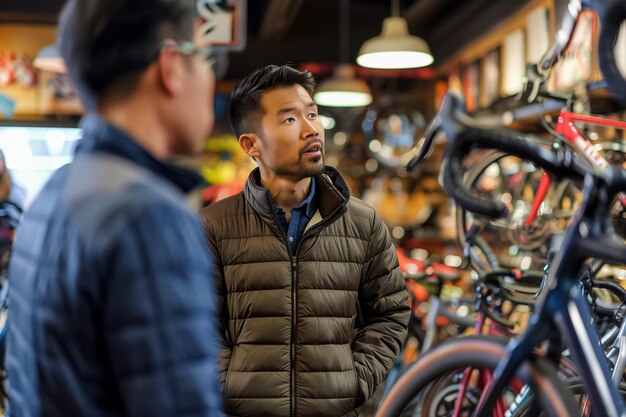
Finding the Right Bicycle Store in Atlanta: Local Guide for Riders
Atlanta’s bike scene has grown quickly, with new trails, lanes, and a strong community of riders. Whether you’re commuting on the BeltLine, training in Buckhead, or cruising through Grant Park, knowing where to find a reliable bicycle store in Atlanta makes riding easier, safer, and more fun.
This guide walks through what to look for in an Atlanta bike shop, how different stores specialize, where to go for service, and how to match a shop to your neighborhood and riding style.
What to Look for in an Atlanta Bicycle Store
Before you pick a shop, it helps to know what matters most:
Key things many Atlanta riders look for:
- Quality repair service and turnaround time
- Staff who understand Atlanta’s terrain and traffic
- Good selection for your type of riding (commuting, road, mountain, family, e-bikes)
- Fit services if you’re buying a new bike or dealing with discomfort
- Location and hours that work with your schedule and routes
- Clear pricing on labor, tune-ups, and parts
Because Atlanta is spread out and traffic can be heavy, convenience and proximity to your usual routes can be just as important as brand selection.
Types of Bicycle Stores in Atlanta
Not every bicycle store in Atlanta does the same thing. Many focus on particular types of riders or services.
1. Full-Service Local Bike Shops
These are the classic neighborhood bike stores that offer:
- Bike sales (often road, mountain, hybrid, gravel, and kids’ bikes)
- Repairs and tune-ups
- Accessories (locks, lights, helmets, pumps, cargo racks)
- Local route advice and sometimes group rides
They are good fits if you:
- Want ongoing service and a long-term “home shop”
- Need help choosing your first or second bike
- Like in-person guidance more than ordering online
Atlanta has full-service shops scattered around areas like Midtown, Decatur, Westside, and Sandy Springs, so you can often find one within a short drive or ride.
2. Commuter- and Urban-Focused Shops
With the Atlanta BeltLine, PATH Foundation trails, and improving bike infrastructure, some stores lean into city and commuter cycling:
These shops often emphasize:
- City and hybrid bikes
- Cargo bikes and family hauling setups
- Fenders, racks, panniers, and lights
- Advice on locking, storage, and riding in Atlanta traffic
They can be especially helpful if you:
- Ride or plan to ride to work, school, or MARTA stations
- Live near high-ridership neighborhoods like Inman Park, Old Fourth Ward, or Midtown
- Want to balance comfort, practicality, and safety on city streets
3. Road and Performance-Focused Shops
Metro Atlanta has plenty of road cyclists and triathletes, especially in areas with rolling terrain outside the urban core.
Performance-oriented stores often offer:
- Road, gravel, and triathlon bikes
- Professional bike fitting
- Higher-end components, wheels, and performance clothing
- Insight into group rides, races, and local training routes
These are popular among riders training on roads near Roswell, Alpharetta, Stone Mountain, and South Fulton, or using long-distance trail connections out of the city.
4. Mountain Bike and Off-Road Specialists
With mountain biking options in Blankets Creek, Allatoona, Sope Creek, and other regional trail systems, MTB-focused stores are common in the metro area.
They may focus on:
- Full-suspension and hardtail mountain bikes
- Trail, enduro, and downhill bikes
- Protective gear (kneepads, gloves, helmets)
- Trail-specific tire and suspension advice
If you regularly drive out of Atlanta to hit the dirt, a mountain-focused bicycle store can be a strong long-term partner for service and setup.
5. Family and Recreation-Oriented Shops
Many Atlanta-area riders just want something:
- Comfortable
- Low-maintenance
- Good for neighborhood rides, parks, and occasional trails
Family-focused bicycle stores usually highlight:
- Comfort and cruiser bikes
- Kids’ bikes and trailers
- Child seats and tag-along bikes
- Simple safety gear like helmets and bells
These shops are common near suburban town centers, large parks, and mixed-use developments where family riding is popular.
Common Services Offered at Atlanta Bicycle Stores
Most established bicycle stores in Atlanta provide a similar core set of services, though pricing and depth of service can vary.
Basic and Full Tune-Ups
Typical tune-ups can include:
- Brake and gear adjustments
- Chain lubrication and drivetrain inspection
- Checking and truing wheels
- Inspecting tires, cables, and bolts
- Safety check for frame and fork
Some shops offer tiered tune-ups (basic, standard, comprehensive). If you ride Atlanta’s hilly routes or rougher city streets, having your bike checked regularly can prevent bigger issues.
Flat Fixes and Quick Repairs
If you ride the Atlanta BeltLine, Midtown streets, or Downtown, glass and debris can be an issue. Most shops will:
- Fix flats while you wait or same-day, when possible
- Replace worn or damaged tubes and tires
- Check for rim damage or other hidden issues
Many riders keep track of the nearest shop to their regular route in case something goes wrong mid-ride.
Custom Builds and Upgrades
Performance and enthusiast-focused bicycle stores can help with:
- Custom wheel builds
- Drivetrain upgrades (e.g., switching to modern gear systems)
- Handlebar, stem, and saddle changes for comfort and fit
- Converting bikes for commuting or cargo use
This can be valuable if you bought a bike online and want it:
- Professionally assembled
- Tuned for Atlanta’s terrain
- Adjusted for your body and riding style
E-Bike Sales and Service
E-bikes are increasingly visible around the BeltLine and in neighborhoods across Atlanta.
Some (but not all) stores specialize in:
- City and commuter e-bikes
- Cargo and utility e-bikes
- E-bike compatible accessories (stronger locks, higher-capacity racks)
- Diagnostics and warranty-friendly repairs for supported brands
If you are considering an e-bike in Atlanta, ask shops:
- Whether they service the motor and battery system
- What brands they are authorized to work on
- Recommended strategies for charging and storage in Atlanta’s hot summers
Matching a Bicycle Store to Your Atlanta Neighborhood
Where you live or stay in Atlanta strongly influences which shop is most convenient.
Intown: Midtown, Old Fourth Ward, Inman Park, Downtown
Ideal if you:
- Use the BeltLine and intown bike lanes
- Commute within the city
- Live in denser neighborhoods
Look for shops:
- Close to multi-use trails (for easy test rides)
- Familiar with urban commuting setups
- With good weekday hours if you rely on your bike for transportation
Eastside: Decatur, Kirkwood, Edgewood, East Atlanta
If you’re on the east side, you may want:
- A shop that understands neighborhood riding plus occasional longer road rides
- Staff who can advise on routes into the city and to trail connections
- Good selection of commuter and family bikes
This side of town is popular with riders who combine short urban hops and weekend fitness rides.
Northside: Buckhead, Sandy Springs, Roswell, Alpharetta
Riders here often:
- Have access to suburban and semi-rural roads
- Train for longer road rides or triathlons
- Transport bikes by car for group rides or regional events
You may prefer shops that:
- Offer advanced fit services
- Stock performance road and gravel bikes
- Maintain tight relationships with local road and MTB groups
West and South Atlanta
If you ride near Westside, West End, or South Atlanta, you might prioritize:
- Stores accessible from the Westside BeltLine Connector, the West End Trail, or other PATH Foundation routes
- Good knowledge of mixed-use trails and safer southside routes
- Sturdy, practical bikes for commuting, utility, and recreation
Atlanta Bike Stores vs. Big-Box and Online Options
You can buy bikes in lots of places—online, at warehouse clubs, or big-box retailers—but a specialized bicycle store in Atlanta offers distinct advantages:
Local bike shop advantages:
- ✅ Professional assembly tailored to your weight, height, and use
- ✅ Free or low-cost adjustments soon after purchase
- ✅ Warranty support and help with manufacturer issues
- ✅ Local route advice and realistic guidance for Atlanta traffic and terrain
- ✅ Easier access to future repairs and parts
Online or big-box purchases may be cheaper upfront but often lack:
- Fine-tuned setup
- Ongoing service
- Durability suited to frequent riding on Atlanta’s potholes, heat, and hills
For people who ride often in the city, the total cost of owning and keeping a bike running can be lower when you have a solid relationship with a local shop.
Services and Questions to Ask Before Choosing a Shop
Here are practical questions to ask when you visit or call a bicycle store in Atlanta:
About service and repairs
- What is your typical turnaround time for a standard tune-up?
- Do I need an appointment, or do you accept walk-ins?
- How do you price labor and parts?
- Do you service e-bikes or specific brands?
About bikes and fit
- Do you offer test rides on nearby streets or trails?
- Do you provide bike fit services, and how in-depth are they?
- What types of bikes do you focus on? (City, road, mountain, kids, e-bikes)
About local riding
- Which local routes do you recommend for a beginner or intermediate rider?
- Do you host or know of group rides that start near the store?
- What do you suggest for locking and storing a bike in Atlanta?
Taking a few minutes to ask these questions helps ensure the shop is a good fit for your needs and keeps surprises to a minimum.
Typical Price Ranges and Services at Atlanta Bicycle Stores
Exact pricing varies by shop, but riders across Atlanta commonly see something like this:
| Service or Item | What It Usually Includes | What to Know in Atlanta Context |
|---|---|---|
| Basic safety check | Brake check, quick adjustments, tire inflation | Useful before starting BeltLine or city commuting. |
| Standard tune-up | Brake & gear adjustment, wheel truing, lubrication, safety check | Helpful for frequent riders dealing with hills and potholes. |
| Flat fix (tube replacement) | New tube, tire inspection, wheel reinstall | Common if you ride city streets with debris or construction. |
| E-bike diagnostic/service | System check, software updates (for supported brands) | Call first; not every shop services powered systems. |
| Bike fitting session | Position analysis, adjustments, sometimes measurements | Valuable for long intown commutes or long road rides. |
| Boxing/unboxing a bike | Packing for shipping or building from online purchase | Handy for moves or if you bought a bike online. |
Because prices can change, it’s smart to call ahead and ask for current rates or package deals, especially before major tune-ups.
Where to Turn for Citywide Cycling Information
While individual bike stores are your hands-on resource, several Atlanta-area organizations help riders understand rules, routes, and safety:
Atlanta Department of Transportation (ATLDOT)
City Hall, 55 Trinity Ave SW, Atlanta, GA 30303
Main city office responsible for street design, bike lanes, and transportation planning. You can check with them or their public information channels for updates on new bike infrastructure projects.PATH Foundation
Based in Atlanta, this nonprofit plans and builds many of the region’s multi-use greenway trails, including some that connect into the city. Their routes are important context when a shop recommends places to ride.Atlanta Bicycle Coalition
A local advocacy group focused on safer streets for people biking, walking, and using transit. They are a good reference for understanding city policies, education opportunities, and campaigns that affect riders.
Your local bicycle store will often point you toward these organizations when you ask about future routes, safety education, or how to get involved in improving biking conditions.
Tips for Getting the Most from an Atlanta Bicycle Store Visit
A little preparation makes your visit more productive:
- Bring your current bike (if you have one) so mechanics can see it in person.
- Know your main use case: commuting, exercise, family rides, BeltLine cruising, or serious training.
- Share how often you ride and where:
- “Mostly BeltLine and neighborhood streets”
- “I commute from Decatur to Midtown”
- “I’m training on long road routes north of the city”
- Wear or bring your usual riding shoes and gear if you’re doing a test ride or fit.
- Set a realistic budget range and share it upfront; staff can then focus on options that truly work.
Bike stores in Atlanta are used to working with everyone from first-time riders to triathletes. Clear communication helps them match you with the right gear and service level for Atlanta-specific conditions—heat, hills, traffic, and all.
Once you find a bicycle store in Atlanta that understands your riding style and routes, it becomes much easier to keep your bike reliable and enjoy everything the city has to offer on two wheels.