
Why So Many Rappers Succeed in Atlanta: How the City Became Hip-Hop’s Powerhouse
Atlanta isn’t just a big city with a music scene—it’s one of the world’s most influential hip-hop hubs. If you live in Atlanta, visit often, or pay attention to rap culture, you’ve probably noticed a pattern: a lot of rappers seem to “make it” here more than in many other places.
This isn’t an accident. Atlanta offers a mix of culture, infrastructure, community, and opportunity that makes it easier for many artists to grow from local buzz to national success.
Below is a clear look at why rappers are often more successful in Atlanta, and what that means for you if you’re living in or visiting the city.
Atlanta’s Unique Role in Hip-Hop
Atlanta has been a major rap center since the 1990s, and it continues to shape trends in trap, melodic rap, and Southern hip-hop. Unlike some cities where the scene is smaller or more closed off, Atlanta’s industry is known for being:
- Collaborative
- Entrepreneurial
- Deeply rooted in local communities and neighborhoods
If you walk through areas like Downtown, Midtown, College Park, East Atlanta, or the Westside, you’re never far from studios, performance spaces, or people involved in music.
1. A Deep Local Culture That Feeds the Music
Atlanta’s Sound Comes From Atlanta’s Streets
Atlanta rap is closely tied to:
- Neighborhood life in places like Bankhead, East Atlanta, and zone-based areas of the city
- Local slang, style, and dance
- Black Southern culture, including influences from churches, marching bands, and historically Black colleges and universities (HBCUs)
Because the music is so connected to everyday Atlanta life, artists can build a real fan base at home before reaching national attention. For many rappers:
- The first audience is their own neighborhood, school, or side of town.
- Local support at clubs, teen nights, college events, and block parties helps songs catch fire.
If you live here, you might hear a track at a local party or skating rink months before it’s on the radio.
2. Powerful Nightlife and Club Culture
Clubs That Break Records, Not Just Play Them
Many rappers do well in Atlanta because the city’s nightlife doubles as a testing ground for new music.
ATL has long had a strong network of:
- Strip clubs
- Lounges and hookah bars
- Traditional nightclubs
- After-hours spots
DJs at Atlanta clubs are known for:
- Spinning local artists’ music early, often by request
- Testing whether a song gets a reaction on the dance floor
- Helping turn local songs into street anthems
For someone in Atlanta, this means:
- You’re likely to hear new artists first in local spots before they go mainstream.
- Rappers can perform, promote, and make connections in person, night after night.
3. Major Recording Studios and Music Infrastructure
Why Professional Resources Matter
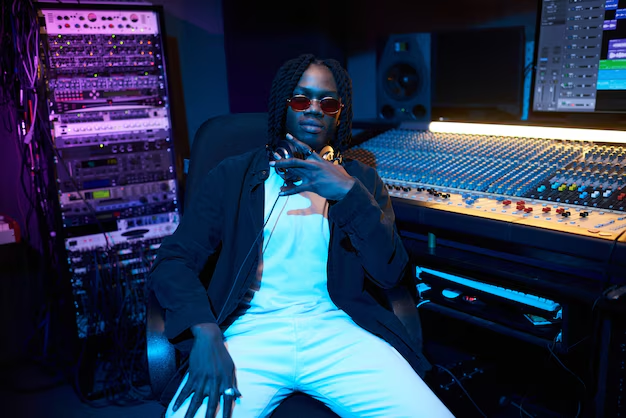
Another reason rappers advance faster here is the sheer number of high-level recording studios and industry resources located in or near Atlanta. The metro area includes:
- Large, well-known studios used by major artists
- Mid-size studios with professional engineers
- Smaller, more affordable studios for upcoming artists
That infrastructure means:
- Local talent doesn’t have to leave the city to find high-quality production, mixing, and mastering.
- It’s easier to bump into experienced producers, songwriters, and engineers working on many different projects at once.
If you’re in Atlanta and involved in music, you’re never far from serious, working professionals who know how to shape a raw idea into something commercially viable.
4. A Hub for Labels, Managers, and Producers
Business and Creativity in the Same Place
Many music labels, management companies, and producers either work directly out of Atlanta or have a strong presence here. Over time, this has created a pipeline where:
- Scouts and managers keep an eye on local showcases, clubs, and social media for new Atlanta talent.
- Producers who live here actively look for local artists to collaborate with, not just national stars.
- The city’s reputation makes it normal for national labels to pay close attention to what’s bubbling in Atlanta.
For Atlanta residents, that translates to:
- More chances for a rapper to be noticed without moving to Los Angeles or New York.
- Shorter distances between “I recorded a song” and “someone in the business heard it.”
5. Strong Community and Collaboration Culture
“Everybody Knows Everybody” Energy
A big reason rappers seem more successful here is the collaborative mindset many Atlanta artists are known for.
Common patterns in the local scene include:
- Established artists jumping on features with new artists from the city
- Rappers from different neighborhoods sharing producers, videographers, or engineers
- Groups of artists forming collectives and labels to help push each other
If you live in Atlanta, you’ll often hear stories of:
- Someone getting a breakthrough feature from a bigger local rapper
- A song taking off because different neighborhoods started supporting it at once
This network effect helps artists grow faster than they might in cities where the scene is more divided or competitive.
6. Atlanta’s Entrepreneurial Spirit
Independent Hustle Is Normal Here
In Atlanta, hustle culture is part of everyday life, and music is no exception. Many rappers succeed here because they:
- Treat their music as a business from day one
- Sell their own merchandise, book their own shows, or build their own labels
- Lean on local barbershops, clothing stores, and car shops to promote their brand
For locals, this is visible in:
- Flyers at neighborhood businesses
- Pop-up performances
- Artists networking in non-music spaces all over the city
Atlanta’s general economy and mindset support the idea that you can build something from the ground up, which fits perfectly with independent rap.
7. Social Media + Atlanta = Rapid Exposure
Viral Moments Start on Local Ground
Digital platforms may be global, but Atlanta artists often use them in ways tightly connected to the city:
- Dance trends and challenges that begin in Atlanta schools, clubs, or neighborhoods spread quickly online.
- Local videographers shoot distinctive visuals in recognizable Atlanta locations, giving the city a look that fans latch onto.
- A local buzz can turn into a viral moment as soon as clips hit the internet.
If you’re in Atlanta, you’re more likely to:
- See a song spreading offline and online at the same time
- Watch an artist go from “local name” to “everywhere” in what feels like a few weeks
8. Colleges, HBCUs, and Youth Energy
Young Audiences Help Songs Take Off
Atlanta and the surrounding area have several colleges and universities, including prominent HBCUs. This matters because:
- College students are early adopters of new music and styles.
- Campus parties, step shows, homecomings, and events create built-in performance opportunities.
- Word-of-mouth across these campuses can strongly influence what’s hot in the city.
For Atlanta visitors or new residents, you might notice:
- Artists performing at campus events and local college bars
- Student DJs and promoters playing a big role in breaking new tracks
This youthful energy helps keep Atlanta rap constantly evolving, making it attractive to labels and fans worldwide.
9. Cost of Living and Lifestyle (Compared to Other Music Cities)
More Room to Build Before You “Blow Up”
While Atlanta’s cost of living has risen, it often remains more manageable than places like New York or Los Angeles, especially if you grew up in or around the metro area.
For rappers, this can mean:
- It’s easier to share housing, pool resources, and put more money into studio time or visuals.
- Artists can keep a day job or side hustle while still staying close to studios, venues, and collaborators.
- There’s less pressure to succeed instantly just to afford rent.
If you’re based in Atlanta and making music, this can give you more time to develop your sound, perform locally, and build a brand before taking bigger risks.
10. Local Spaces Where Atlanta’s Rap Scene Lives
While new spots open and close over time, some categories of locations are consistently important for rappers in Atlanta:
| Type of Place | How It Helps Rappers | What Locals Experience |
|---|---|---|
| Recording studios | Professional sound, industry connections | See artists coming in and out daily |
| Clubs & lounges | Testing new songs, building buzz | Hear local hits before they go mainstream |
| Strip clubs | Breaking records, especially club-oriented tracks | DJs pushing local music into rotation |
| Colleges & HBCUs | Built-in young audience, event stages | Campus concerts and parties featuring locals |
| Neighborhood events | Grassroots performances, real fan feedback | Artists performing at block parties, drives |
While exact lineups and locations change, Atlanta’s overall ecosystem stays consistent: lots of places where music is created, heard, and tested in real time.
11. What This Means for You if You’re in Atlanta
Whether you’re an artist, a fan, or a visitor, Atlanta’s rap success story affects you in a few practical ways:
If You’re an Aspiring Rapper in Atlanta
- Network intentionally: Connect with local producers, DJs, engineers, and videographers.
- Show up where music lives: Open mics, showcases, campus events, and smaller venues often lead to bigger invites.
- Learn the business side: Copyright, publishing, splits, and performance rights matter as much as talent.
- Stay grounded locally: Building a real fan base in Atlanta can make national attention more sustainable.
If You’re a Fan or Visitor
- Support local talent by:
- Attending local shows and events
- Following and sharing Atlanta artists you discover
- Paying attention to openers and smaller acts at venues around the city
You’ll experience Atlanta not just as a tourist, but as someone who’s seeing the next wave of artists develop in real time.
Why Rappers Often Succeed More in Atlanta
Most rappers aren’t “magically” more talented in Atlanta. Instead, Atlanta gives them a better environment to succeed:
- A rich local culture that feeds the music
- A club and nightlife scene that actually breaks records
- Studios and industry professionals packed into one metro area
- A collaborative, community-oriented artist network
- Strong college and youth audiences
- A history and reputation that attract labels and attention from around the world
For anyone trying to understand how rap works in this city, the key idea is simple: Atlanta doesn’t just host hip-hop—it actively shapes and amplifies it.