
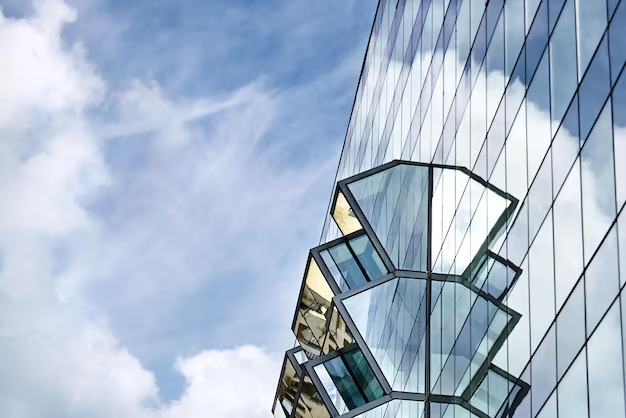
Modern Glass in Atlanta: What It Means, Where You See It, and How to Use It
Modern glass is everywhere in Atlanta — from the gleaming skyline in Midtown to sleek storefronts in the Old Fourth Ward and contemporary homes in Buckhead and West Midtown. If you’re searching for “a Modern Glass Atlanta”, you’re likely interested in what modern glass looks like here, how it’s used in local buildings and homes, and what to consider if you want modern glass features yourself.
This guide walks through how modern architectural glass shows up in Atlanta, what options are common, local considerations like heat and storms, and how residents and property owners typically move forward.
What “Modern Glass” Usually Means in Atlanta
When people in Atlanta talk about “modern glass,” they’re usually referring to one or more of these:
- Glass-heavy architecture – tall curtain-wall office towers, glass condos, and hotels.
- Contemporary residential design – big sliding doors, glass railings, and window walls in homes and condos.
- Interior glass features – frameless showers, glass room dividers, glass conference rooms.
- Specialty and safety glass – tempered, laminated, insulated, and energy-efficient glass for our hot, sunny climate.
In Atlanta, modern glass is closely tied to:
- Comfort in heat and humidity
- Energy efficiency (especially for summer cooling)
- Storm and impact resistance
- Noise control in busy urban areas (Downtown, Midtown, near major roads or near Hartsfield-Jackson flight paths)
Where You See Modern Glass Around Atlanta
Glass in the Atlanta Skyline and Commercial Buildings
Many of Atlanta’s best-known buildings use large amounts of modern glass:
- Midtown – high-rise office and residential towers along Peachtree Street NE and West Peachtree Street NW, often with glass curtain walls.
- Downtown – hotels, corporate buildings, and government complexes with reflective and tinted glass façades.
- Buckhead – luxury office towers and condos along Peachtree Road NE with expansive glass fronts.
These buildings often use:
- Curtain-wall systems – full-height glass panels attached to the building’s structure.
- Reflective or tinted glass – to manage glare and solar heat.
- Insulated glass units (IGUs) – double- or triple-pane glass sealed with air or gas between layers for better insulation.
For people living or working in Atlanta, the same glass technologies that shape the skyline are also available on a smaller scale for homes, low-rise buildings, and interiors.
Modern Glass for Atlanta Homes and Condos
Common Residential Glass Features
Homeowners and condo residents in Atlanta frequently consider:
Large windows and window walls
Popular in neighborhoods like Virginia-Highland, Inman Park, West Midtown, Old Fourth Ward, and Kirkwood, especially in newer or renovated properties. These bring in light but need careful selection to keep heat under control.Glass doors
- Sliding or folding patio doors opening to decks and backyards in areas like Decatur, East Atlanta, Grant Park, and Brookhaven.
- Balcony doors in Midtown and Buckhead condos.
Glass railings
Used for balconies, rooftop decks, staircases, and pool surrounds in many modern townhome and condo developments across the metro area.Skylights and roof glazing
Found in renovated bungalows and lofts; can brighten interior spaces but need proper flashing and glazing to handle heavy summer storms.Frameless glass showers and bath enclosures
Very common in bathroom upgrades across the city, from classic homes in Morningside to new construction in Chamblee or Smyrna.
Types of Modern Glass You’ll Commonly See in Atlanta
Here are some of the most frequently used glass types in the Atlanta area and why they matter locally:
| Glass Type | What It Is | Why It Matters in Atlanta |
|---|---|---|
| Tempered glass | Heat-treated, breaks into small pieces | Used for safety: doors, showers, railings, some windows |
| Laminated glass | Layers of glass with plastic interlayer | Better security, sound control, and impact resistance |
| Insulated Glass Units | Double/triple pane with air or gas inside | Helps keep cool air in, heat out; common in new windows |
| Low-E glass | Coating reduces heat transfer and UV | Helps with Atlanta’s strong sun and cooling costs |
| Tinted or reflective | Color or mirror-like surface | Reduces glare and solar gain, often used on larger façades |
| Acoustic glass | Designed to reduce sound transmission | Helpful near busy roads, rail lines, or flight paths |
For many Atlanta properties, insulated, low-E glass is considered a practical baseline for exterior windows and doors, given the long air-conditioning season.
Climate and Weather Considerations in Atlanta
Modern glass choices in Atlanta are strongly shaped by:
1. Heat and Sun
Atlanta’s hot, humid summers and strong sun mean:
- Low-E coatings are widely used to reduce solar heat gain.
- Tinted or reflective glass is common on commercial buildings.
- For homes, glass with better solar control can make living spaces more comfortable and support efficient air conditioning.
2. Severe Storms and Wind
While Atlanta is inland, powerful thunderstorms and occasional remnants of tropical systems are a concern. For many property owners, this leads to:
- Preference for tempered and/or laminated glass in locations where safety or impact resistance is a priority.
- Careful selection of window and door systems that are properly rated and installed to handle wind and water infiltration.
3. Humidity and Condensation
The high humidity can contribute to:
- Condensation issues if glass and frames are poorly insulated or installed.
- Need for proper sealing and drainage systems, especially in curtain walls and large glass façades.
Modern Glass for Offices, Retail, and Restaurants in Atlanta
Office and Co-working Spaces
In business districts like Downtown, Midtown, Buckhead, Perimeter Center, and Cumberland, modern glass is widely used for:
- Glass conference rooms and office fronts – making spaces feel open while allowing visual privacy through frosting or patterned glass.
- Interior glass partitions – to divide workspaces without blocking natural light.
- Lobby glass walls – creating transparent, welcoming entries.
Retail and Storefronts
Along Peachtree Street, the BeltLine, Poncey-Highland, Edgewood Avenue, and Buckhead Village, modern storefronts often feature:
- Floor-to-ceiling display glass facing sidewalks or plazas.
- Frameless glass entries for a clean, contemporary look.
- Security-focused laminated glass in areas where owners want both visibility and added protection.
Restaurants and Cafés
Across neighborhoods like West Midtown, Old Fourth Ward, Inman Park, and East Atlanta Village, restaurants frequently incorporate:
- Glass garage doors that open in good weather.
- Large sliding panels between interior dining rooms and patios.
- Expansive glass façades to connect indoor spaces with the street or BeltLine trails.
Safety and Code Considerations in Atlanta
In the City of Atlanta and surrounding jurisdictions within Fulton, DeKalb, Cobb, Gwinnett, and Clayton Counties, glass installations must generally comply with:
- Building codes that govern safety glazing in certain locations, such as:
- Near doors
- Around stairways and landings
- In bathrooms and showers
- Close to floor level where impact is more likely
- Energy codes that set minimum performance for windows and doors, especially in new construction and substantial renovations.
For questions about code requirements in the city limits, residents and property owners often look to:
- City of Atlanta Department of City Planning
- Office of Buildings (Building Permits & Inspections)
- 55 Trinity Avenue SW, Atlanta, GA 30303
- Main phone lines can typically be found through the City of Atlanta’s main information desk or website.
Surrounding cities (such as Sandy Springs, Brookhaven, Decatur, and Smyrna) generally have their own community development or building departments that follow similar state-level codes with local administration.
Common Uses of Modern Glass Inside Atlanta Properties
Interior Partitions and Room Dividers
In lofts around Castleberry Hill, Old Fourth Ward, and converted industrial spaces along the BeltLine, interior glass is often used to:
- Divide bedrooms from living spaces.
- Separate offices or studio areas while maintaining visual continuity.
- Create open-feeling corridors and meeting rooms in commercial settings.
Glass for Stairs and Railings
You’ll see glass railings and balustrades in:
- Newer townhomes around West Midtown, Reynoldstown, and Chamblee.
- Condo common areas in Midtown and Buckhead.
- Boutique hotels and mixed-use developments.
These typically use tempered or laminated glass with metal supports for structural safety.
Bathrooms and Spa Areas
Across metro Atlanta, modern bathroom renovations frequently include:
- Frameless glass shower enclosures
- Partial glass partitions for tubs or walk-in showers
- Frosted, tinted, or patterned glass for privacy where needed
Local installers usually pay close attention to:
- Using safety glass (tempered/laminated) where required.
- Sealing and sloping for proper drainage, important in Atlanta’s humid climate to help reduce mold and moisture issues.
Noise, Privacy, and Modern Glass in Busy Parts of Atlanta
Many Atlanta residents live or work close to:
- Major roads (I-75, I-85, the Downtown Connector, I-285)
- Rail lines (MARTA, freight, and passenger lines)
- Flight paths near Hartsfield-Jackson Atlanta International Airport
To handle noise and privacy while still enjoying natural light, people often consider:
- Acoustic laminated glass for exterior windows and balcony doors.
- Double-pane or insulated units with specific sound-reducing configurations.
- Tinted, frosted, or patterned glass for bathrooms, street-level spaces, and conference rooms.
For example:
- A condo on Peachtree Street in Midtown might use laminated glass for better noise control.
- A café along Edgewood Avenue may use clear glass facing the street but frosted glass for restrooms and back-of-house areas.
Modern Glass and Energy Efficiency in Atlanta
Because Atlanta has a long cooling season, glass choices can affect comfort and utility costs.
Common energy-efficiency considerations:
- Low-E coatings to reduce solar heat gain while keeping visible light.
- Proper frame materials (aluminum, vinyl, fiberglass, or wood-clad) that work with the glass to manage heat transfer.
- Tight seals and professional installation to minimize air leaks.
- Shading strategies – combining glass with overhangs, exterior shading devices, trees, or interior shades and blinds.
Many property owners look for glass systems that balance:
- Daylight and views
- Cooling load in hot months
- Winter comfort on colder days
Practical Next Steps for Using Modern Glass in Atlanta
If you live, work, or own property in Atlanta and want to incorporate modern glass, these steps are typically helpful:
Define your priorities
- More natural light?
- Better views?
- Energy savings?
- Noise reduction?
- Security or safety?
Consider local conditions
- How much direct sun hits the glass (east, west, south exposures)?
- Are you near highways, rail lines, or flight paths?
- Does the area get strong wind or driving rain?
Check local rules and approvals
- For projects inside the City of Atlanta, review permitting requirements through the Department of City Planning (Office of Buildings).
- For condos or townhomes, check with your HOA or building management, which may have rules about exterior appearance, balcony enclosures, or window replacements.
Plan for professional design and installation
- For substantial projects (window walls, storefronts, structural glass), it’s common to involve design professionals such as architects or engineers, especially in multi-story or commercial buildings.
- Verify that installers are familiar with local codes, safety glazing rules, and energy requirements.
Think about maintenance
- Large glass areas can require more frequent cleaning, especially near busy streets or construction zones.
- Plan for access (for example, how upper-level glass or skylights will be maintained over time).
How Visitors and Residents Experience Modern Glass in Atlanta
Even if you are only visiting Atlanta, modern glass shapes many of the city’s most recognizable environments:
- Hotel lobbies and sky lounges with sweeping glass views of the skyline.
- Airy BeltLine-adjacent cafés and restaurants featuring roll-up glass doors and full glass façades.
- Museums, performance venues, and civic buildings that combine glass with steel and concrete for a contemporary feel.
For residents, modern glass is a day-to-day part of:
- Light-filled condos with city views.
- Open, flexible workspaces in Midtown and Buckhead towers.
- Updated historic homes where careful glass choices respect character while adding comfort.
Understanding how modern glass is used in Atlanta helps you make more informed choices, whether you’re upgrading a home, planning a commercial space, or simply curious about the city’s evolving architectural style.