
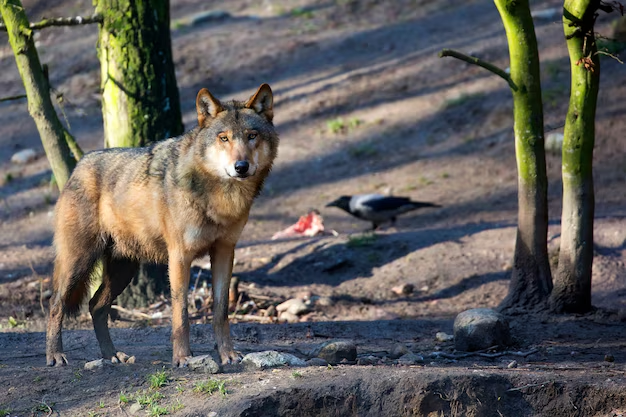
Coyotes in Atlanta: What Residents and Visitors Need to Know
Yes, there are coyotes in Atlanta. They live in and around the city, including many intown neighborhoods and metro-area suburbs. If you spend time near parks, greenways, creeks, or wooded areas in Atlanta, there’s a good chance coyotes are nearby, even if you rarely see them.
This guide explains how coyotes fit into Atlanta’s urban environment, where you’re most likely to see them, what risks they realistically pose, and what you can do to stay safe and reduce conflicts.
Are There Coyotes in Atlanta?
Coyotes are now common across the Atlanta metro area, including:
- Inside the Perimeter (I‑285) – neighborhoods like Buckhead, Midtown, East Atlanta, West End, Virginia-Highland
- Around major parks and green spaces – Chastain Park, Piedmont Park (surrounding areas), Atlanta BeltLine corridors, along the Chattahoochee River
- In suburban and wooded areas – Sandy Springs, Brookhaven, Decatur, Smyrna, College Park, and beyond
Coyotes have adapted well to city life. They use creek corridors, railroad tracks, powerline cuts, and wooded strips to move around areas that still feel very urban to people.
You might notice:
- Tracks or scat (droppings) on trails
- Occasional howling at night
- Reports on neighborhood forums about sightings near trash or greenbelts
Seeing a coyote in Atlanta is not unusual and does not automatically indicate a dangerous situation.
Why Coyotes Are in Atlanta
Atlanta’s mix of forests, creeks, and growing neighborhoods creates exactly the kind of habitat coyotes use.
Common reasons they thrive here:
- Food sources – small animals (squirrels, rats, rabbits), outdoor pet food, unsecured trash, and sometimes fallen fruit or compost
- Shelter – wooded lots, kudzu thickets, overgrown areas along rail lines and highways
- Water – Chattahoochee River, Peachtree Creek, Nancy Creek, South River, small ponds, and retention basins
- Edge habitat – where neighborhoods meet woods, golf courses, or parks
In many Atlanta areas, coyotes also help control rodents, which can be a side benefit for residents.
Where in Atlanta Are Coyotes Most Commonly Seen?
While coyotes can be anywhere in the city, some patterns are typical.
Neighborhood Types Where Coyotes Are Often Reported
North Atlanta & I‑285 corridor
Buckhead, Sandy Springs, Dunwoody, Brookhaven – especially near wooded backyards and creeks.Intown neighborhoods with tree cover
Morningside, Druid Hills, Virginia-Highland, Grant Park, Kirkwood, Westview – coyotes often move along parks and rail lines.Suburban-style areas with greenbelts
Southwest Atlanta, East Point, College Park, parts of Decatur and Tucker.Along the Chattahoochee and major creeks
Near the Chattahoochee River National Recreation Area, Cochran Shoals, and creek systems running through north and west Atlanta.
Times You’re Most Likely to See Coyotes
Coyotes in Atlanta are typically:
- Most active: dawn and dusk (crepuscular)
- Also active: at night, especially in quieter neighborhoods
- Occasionally out mid-day, especially if:
- Feeding young
- Disturbed from their usual hiding spots
- Less wary of human activity in that area
Seeing a coyote in daylight is not automatically a sign of illness, but unusual behavior (staggering, extreme aggression, circling, obvious injury) should be taken seriously.
Are Coyotes Dangerous in Atlanta?
For people, coyotes in Atlanta are generally shy and avoid contact. Most residents will never have a close encounter.
Realistic concerns center on:
- Small pets, especially cats and small dogs
- Habituation (coyotes losing fear of people due to feeding or easy access to trash)
- Rabies risk, though confirmed rabid coyotes are far less common than rabid raccoons, bats, or skunks
Typical Behavior vs. Concerning Behavior
| Behavior you might see | What it usually means | What to do |
|---|---|---|
| Coyote trotting through yard at dusk | Just passing through territory | Keep pets in; remove attractants |
| Watching from a distance, then leaving | Curious but wary | Maintain distance; do not approach |
| Occasional howling/yipping at night | Communication within a family group | Normal; keep pets secure |
| Approaching people closely for food | Habituated or being fed by humans | Stop any feeding; report concerning behavior |
| Staggering, disoriented, unusually aggressive | Possible illness or injury | Avoid contact; contact animal control |
How to Keep Pets Safe Around Coyotes in Atlanta
In Atlanta, pet safety is the main reason people worry about coyotes.
For Dogs
- Leash your dog on walks, especially:
- Near wooded areas
- Along the Atlanta BeltLine and PATH trails
- In neighborhoods bordering parks or creeks
- Avoid letting small dogs out unsupervised, especially:
- Before sunrise or after dark
- In yards that back up to woods, creeks, or alleys
- Use fenced yards when possible; higher, solid fences help more than low, open ones.
- Avoid leaving dogs’ food and water outside, especially overnight.
For Cats
In coyote-active parts of Atlanta, cats that roam freely outdoors face risks not only from coyotes, but also from traffic and other hazards.
Safer options:
- Keep cats indoors, especially at night.
- Consider a catio or enclosed outdoor area if you want outdoor time.
- If cats must go out, bring them in well before dark, and avoid early-dawn roaming.
How to Coyote-Proof Your Atlanta Property
You can significantly reduce coyote activity in your yard by removing food and shelter opportunities.
Remove Attractants
✅ Helpful steps:
- Trash:
- Use sturdy cans with tight-fitting lids.
- Set bins out morning-of, not the night before, when possible.
- Pet food:
- Feed pets indoors.
- If you must feed outside, remove bowls immediately after.
- Bird feeders:
- Spilled seed attracts rodents, which attract coyotes.
- Use trays or clean up regularly underneath feeders.
- Compost and fallen fruit:
- Cover compost securely.
- Pick up fallen fruit from fig, persimmon, or other fruit trees.
- Water sources:
- Fix leaky outdoor faucets or hoses.
- Don’t leave shallow bowls of water out overnight.
Yard and Fence Adjustments
- Clean up dense brush and overgrown ivy or kudzu where coyotes or their prey might hide.
- Secure fencing:
- Aim for at least 6 feet high if coyotes are a recurring issue.
- Check for gaps at the bottom where they could crawl under.
- Light up dark corners of your yard with motion-sensor lights; this can discourage wildlife activity.
What to Do If You See a Coyote in Atlanta
Most sightings don’t require any action. Your response depends on the situation.
If You See a Coyote at a Distance
- Keep your distance; do not approach.
- Keep pets close and calmly move them indoors or onto a leash.
- Make note of where and when you saw it in case you need to describe patterns later.
If a Coyote Seems Too Comfortable Near You or Your Yard
You can use “hazing” techniques to remind coyotes to keep their distance:
- Make yourself appear larger (raise arms, open jacket).
- Use a firm, loud voice: shout or clap loudly.
- Make noise: bang on a pot, blow a whistle, or use a loud shaker.
- Throw small objects (like pebbles or sticks) near—but not directly at—the animal to encourage it to move away.
The goal is to retrain coyotes to avoid people, not to harm them.
If a coyote frequently approaches people closely or lingers around homes despite hazing and no food sources, it may be time to notify local authorities.
Who to Contact About Coyotes in Atlanta
If you’re in the City of Atlanta or nearby, here are typical starting points:
City of Atlanta Animal Services
Operated under Atlanta Police Department / contracted providers for animal control.- For issues like aggressive behavior, injured animals in the roadway, or emergencies involving public safety, residents typically call 911 or the non-emergency police line and ask for animal control assistance.
Fulton County Animal Services (for much of the City of Atlanta and Fulton County)
Commonly handles:- Stray or aggressive animal reports
- Some wildlife concerns, depending on the situation
Phone information is usually available through the county or city directories.
DeKalb County Animal Services (for Atlanta addresses in DeKalb County)
If your Atlanta address is in DeKalb, you would contact the county’s animal services for guidance.Georgia Department of Natural Resources (DNR) – Wildlife Resources Division
For broader wildlife questions, guidance on coyotes, and information about legal options, residents often contact a regional DNR office.
DNR typically provides:- Information on coyotes in Georgia
- Guidance on deterrence and prevention
- Lists of licensed nuisance wildlife control operators
Because phone numbers and office locations can change, it’s best to confirm current contact details through the City of Atlanta or county government directories before calling.
Are Coyotes Protected in Atlanta?
Coyotes are classified as wildlife, and how they can be managed is governed at the state level in Georgia.
Key points to keep in mind:
- There are regulations concerning trapping, relocating, or killing coyotes.
- In many residential areas, using firearms or certain traps is restricted or prohibited by local ordinance.
- Homeowners generally:
- Are expected to focus on prevention and deterrence first
- May need to use licensed nuisance wildlife professionals if removal is considered
For anyone considering removal or control beyond basic deterrence, it’s important to:
- Check Georgia DNR guidance on coyotes
- Confirm local city or county rules about wildlife control and weapon use
How Common Are Coyote Attacks in Atlanta?
Serious coyote incidents involving humans in urban areas are uncommon, and most Atlanta coyotes avoid people.
Patterns in and around the metro area tend to involve:
- Conflicts with small pets, especially:
- Cats allowed outdoors
- Small dogs off-leash or unattended
- Issues where coyotes are regularly fed, intentionally or unintentionally, and lose their natural wariness
Reasonable precautions—especially with pets and trash—are usually enough to keep risk low for most Atlantans.
Tips for Visitors Encountering Coyotes in Atlanta Parks and Trails
If you’re visiting Atlanta and using the BeltLine, Chattahoochee River trails, or city parks:
- Keep dogs leashed where required.
- Do not leave food scraps or trash along trails or in parking lots.
- If you see a coyote:
- Observe from a distance
- Keep pets close
- Move along calmly without running
Most wildlife in Atlanta’s parks is used to seeing people but still prefers to stay out of close contact.
Key Takeaways for Atlanta Residents and Visitors
- Yes, there are coyotes in Atlanta, including intown neighborhoods and suburban areas.
- They are typically shy, but they will use any easy food sources people provide.
- The main concern is pet safety, not routine danger to people.
- You can reduce conflicts by:
- Securing trash and pet food
- Supervising small pets, especially at night
- Using fences and yard clean-up to remove shelter and attractants
- For aggressive, injured, or unusually bold coyotes, contact local animal services or Georgia DNR for guidance before taking any action on your own.
With a few practical steps, most people in Atlanta can live near coyotes with very little day-to-day impact on their routines.