
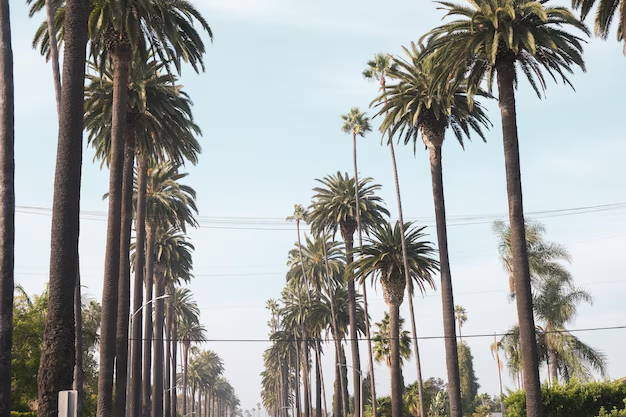
Palm Trees in Atlanta: What Grows Here, Where to See Them, and What to Expect
If you live in Atlanta or you’re planning a visit, you might wonder: are there palm trees in Atlanta? The short answer is yes — but not the classic tropical postcard kind everywhere you look.
Atlanta sits in a borderline climate zone where some palms can survive and even thrive, while others struggle with our winter cold snaps. Here’s how palm trees actually fit into Atlanta’s landscape.
Does Atlanta Really Have Palm Trees?
You will see palm trees around Atlanta, especially:
- Near Downtown and Midtown in commercial landscapes
- Around Buckhead hotels, mixed-use developments, and upscale retail centers
- In some intown neighborhoods where homeowners plant them as statement trees
- At apartment communities and newer developments that want a “resort” look
However:
- They are not native to metro Atlanta.
- Only cold-hardy palm species tend to do well long-term.
- Severe cold waves can still damage or kill some palms, especially unprotected ones.
So, while Atlanta is not Miami or Savannah, palm trees are part of the urban landscape in select spots and in many private yards.
Atlanta’s Climate: Can Palm Trees Survive Here?
Atlanta falls roughly in USDA Hardiness Zone 7b–8a, which matters a lot for palms.
- Typical winter lows: often in the 20s °F
- Occasional extremes: single digits or brief freezes below 10°F
- Summer: hot and humid, which palms generally like
This means:
- Truly tropical palms that need warm winters year-round will not survive outdoors in Atlanta.
- Cold-hardy palms that can handle brief freezes and occasional hard frosts can survive, especially with good placement and care.
For local gardeners and homeowners, this translates to choosing the right palm species and planting location.
Common Types of Palm Trees You’ll See in Atlanta
Some palms are far better suited to Atlanta than others. Here are a few palms you’re likely to see around the city.
1. Windmill Palm (Trachycarpus fortunei)
One of the most reliable palms for Atlanta.
Key traits:
- Tall, slender trunk with hairy/fibrous covering
- Fan-shaped leaves
- Tolerates colder winters better than many other palms
You’ll often see windmill palms:
- Around office parks and mixed-use developments
- In intown residential yards as feature trees
2. Needle Palm (Rhapidophyllum hystrix)
Often considered one of the hardiest palms in North America.
Key traits:
- Shrubby, clumping habit rather than a tall trunk
- Very cold-tolerant
- Slow-growing
Commonly used:
- In landscaped beds
- As an accent plant in shaded or partially shaded areas
3. Sabal Minor (Dwarf Palmetto)
A small, hardy palm often used as a shrub-like accent.
Key traits:
- Short or sometimes trunkless
- Fan-shaped fronds
- Handles cold and shade fairly well
4. Sabal Palmetto (Cabbage Palm)
You’ll see true “palmetto” style palms more commonly along the Georgia and South Carolina coasts, but some are planted in Atlanta.
Key traits:
- Tall trunk
- Rounded canopy of fan leaves
- Less cold-hardy than windmill or needle palms but can survive in sheltered urban spots
5. Pindo Palm (Butia capitata)
Also called jelly palm.
Key traits:
- Curving, blue-green fronds
- Thick trunk
- Moderately cold-hardy, but winter extremes can be an issue
Sometimes used:
- In more protected intown locations
- At resorts and pool areas where a slightly more tropical look is desired
Where to See Palm Trees Around Atlanta
You won’t usually find natural palm groves in Atlanta, but you can spot palms in a variety of settings:
Commercial Areas and Mixed-Use Developments
Palm trees are often used as design accents in:
- Buckhead (around hotels, shopping centers, and some office complexes)
- Midtown along modern developments and restaurant corridors
- Downtown near hotels, plazas, and event venues
These areas may feature:
- Windmill palms lining entrances
- Pindo or sabal palms near outdoor dining or plaza-style gathering spaces
Residential Neighborhoods
Many homeowners across intown neighborhoods and suburbs plant palms to add a unique, semi-tropical touch:
- Single specimen trees in front yards
- Groupings of dwarf or shrub-like palms in landscaping beds
- Palms used to frame driveways, pool areas, or patios
Whether you’re in Decatur, Sandy Springs, Brookhaven, or East Atlanta, you’ll likely spot a few palms mixed into otherwise traditional Southern landscapes.
Public Spaces and Parks
Atlanta’s parks are typically planted with native and adapted shade trees, but you may see some palms used in:
- Specialty gardens or demonstration areas
- Plaza-style spaces in or near larger parks
- Private event spaces within or adjacent to parks
If you’re curious about specific plants in major parks, staff at places like Atlanta Botanical Garden can offer guidance and examples of what does well in the region’s climate.
Palm Trees vs. Native Look-Alikes
Some Atlanta plants may look “tropical” but aren’t palms. It helps to know the difference:
| Feature | True Palm (e.g., Windmill Palm) | Look-Alike (e.g., Yucca, Sago “Palm”) |
|---|---|---|
| Leaves | Fronds, usually fan- or feather-shaped | Stiff, sword-like or radiating from a rosette |
| Trunk | Single central trunk (often ringed or fibrous) | Can be trunkless, multiple stems, or woody base |
| Botanic group | True palm family (Arecaceae) | Often not palms at all |
| Common confusion | Seen as “tropical tree” | Sold as “palms” but technically different |
For example:
- Sago palms often seen in containers are not true palms; they’re cycads.
- Some yuccas and dracaenas can give a similar look but behave differently in our climate.
Can You Grow Palm Trees at Home in Atlanta?
Yes, many Atlanta homeowners successfully grow palms, but it requires the right choices.
Best Practices for Planting Palms in Atlanta
Choose cold-hardy species
- Prioritize windmill palm, needle palm, sabal minor, and other hardy options.
Pick a protected location
- Near a south-facing wall or structure that radiates warmth
- Away from low spots where cold air tends to settle
Ensure good drainage
- Palms generally dislike soggy soil. Raised beds or amended soil can help.
Mulch and winter protection
- Mulch around the base to help regulate soil temperature.
- In severe cold events, some homeowners wrap trunks or cover crowns with frost cloth.
Think long-term maintenance
- Palms may need periodic pruning of dead fronds.
- Avoid heavy pruning that removes healthy green fronds, as this can stress the plant.
Container-Grown Palms
If you want a more tropical-looking palm that isn’t fully cold-hardy:
- Keep it in a large container on a patio or deck.
- Move it into a garage, sunroom, or sheltered indoor space during the coldest parts of winter.
This approach lets you enjoy palms that wouldn’t otherwise survive outdoors year-round in Atlanta.
Buying Palm Trees and Getting Local Advice in Atlanta
If you want to add palms to your Atlanta property, your most useful resources are local experts who understand the city’s climate.
Local Nurseries and Garden Centers
Many Atlanta-area nurseries and garden centers carry hardy palms. While specific businesses come and go, larger, established garden centers typically:
- Stock cold-hardy palms suited to Atlanta
- Provide guidance on site selection, planting, and winter care
- May special-order specific palm varieties
Ask staff directly about:
- Minimum temperature tolerance for each species
- Whether the palm has been grown locally or trucked in from a warmer region
- Recommended winter protection methods for your zip code
Cooperative Extension Services
For neutral, research-based guidance tailored to Georgia’s conditions, you can contact:
University of Georgia Cooperative Extension – Fulton County
- Main office (Metro Atlanta region)
- Phone and office details are typically available through Fulton County government or the UGA Extension system.
- They can:
- Help you understand which palms are appropriate for Fulton County and metro Atlanta
- Offer general planting and care recommendations
- Provide information on soil tests, which can be helpful before planting
What Visitors Should Expect
If you’re visiting Atlanta and expecting rows of palms like a beach town, you may be surprised:
- Palms are present but scattered, more as design accents than dominant street trees.
- You’ll see far more oaks, maples, pines, magnolias, and crepe myrtles than palms.
- Certain hotels, mixed-use developments, and pool areas use palms to create a resort-style feel, especially in warmer months.
For photos, walks, or just taking in the scenery, plan to look for palms in modern commercial districts, upscale retail areas, and residential neighborhoods rather than in wild or forested areas.
Key Takeaways for Palm Trees in Atlanta
- Yes, there are palm trees in Atlanta, but they are mostly cold-hardy species and used as landscaping accents.
- Atlanta’s winters limit which palms can survive outdoors year-round.
- You can successfully grow palms at home in Atlanta by choosing the right species, planting in protected spots, and preparing for occasional hard freezes.
- Visitors will notice palms in select urban and residential areas, but they are not the city’s defining tree.
Understanding how palms fit into Atlanta’s climate and landscape helps you set realistic expectations—whether you’re planning your yard, scouting photo spots, or just curious about how “tropical” Atlanta can look.