
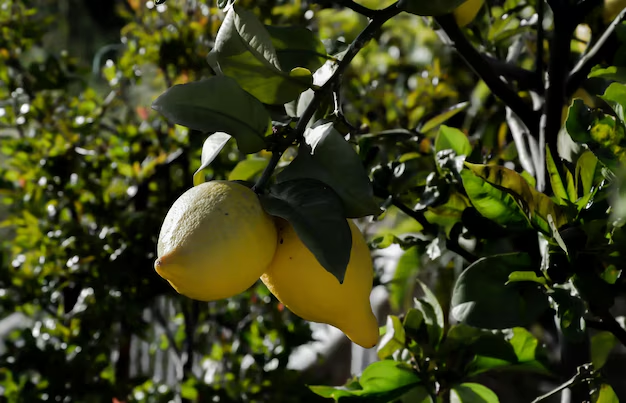
Can Lemon Trees Really Grow in Atlanta? A Local’s Guide to Citrus in the City
If you live in Atlanta and love the idea of picking lemons from your own backyard (or balcony), you’re not alone. The good news: yes, lemon trees can grow in Atlanta—but they need some planning, protection, and the right variety to really thrive.
Below is a practical, Atlanta-specific guide to help you understand what’s possible and how to get started.
Atlanta’s Climate: Is It Lemon-Tree Friendly?
Atlanta sits in USDA hardiness zone 7b–8a in many neighborhoods. Lemon trees, especially true lemons like Eureka or Lisbon, are typically happiest in zones 9–11. That means:
- Summers in Atlanta are great for lemons: hot, sunny, and humid.
- Winters are the challenge: temperatures can drop below freezing, and hard freezes can damage or kill unprotected lemon trees.
So growing lemon trees in Atlanta is less “plant it and forget it” and more “plant it and protect it.” With the right approach, plenty of Atlanta gardeners successfully grow container lemons and even some in-ground citrus in protected spots.
Best Types of Lemon Trees for Atlanta
Not all lemon trees handle cold the same way. For Atlanta, the most realistic options are:
True Lemons (More Sensitive to Cold)
These are what most people think of as classic lemons:
- ‘Eureka’ lemon
- ‘Lisbon’ lemon
- ‘Improved Meyer’ lemon (technically a lemon-orange hybrid, but commonly treated as a lemon)
Of these, Improved Meyer is the best fit for Atlanta because it tends to be more cold-tolerant and does well in containers.
Cold-Hardier Citrus Alternatives
If your goal is homegrown citrus (even if they’re not classic lemons), consider:
- Meyer lemon: more forgiving, often grown in pots and moved indoors.
- Hardy citrus types (not true lemons but lemon-like in flavor in some uses):
- Yuzu
- Ichang lemon
- Certain kumquats or satsumas (more orange-like but worth considering if you want something you can keep outside more often).
These can sometimes handle light freezes better than standard lemon varieties, especially in protected microclimates in Atlanta.
Container vs. In-Ground: What Works Best in Atlanta?
You can grow lemon trees in Atlanta either in containers or in the ground, but the strategy is different.
Growing Lemon Trees in Containers (Recommended for Most Atlanta Homes)
For many Atlanta residents—especially those in intown neighborhoods, apartments, or townhomes—containers are the most practical option.
Pros:
- You can move the tree indoors or into a garage/sunroom during cold snaps.
- Easier to control soil quality and drainage.
- Great for patios, balconies, and small yards.
Key tips for container lemons in Atlanta:
- Use a large pot (at least 15–20 gallons as the tree matures) with drainage holes.
- Fill with a well-draining potting mix, ideally one formulated for citrus or indoor trees.
- Place the pot in full sun: aim for 6–8 hours of direct light, which many Atlanta patios and south- or west-facing balconies can provide.
- In winter, move the tree to:
- A bright, sunny window inside
- A heated sunroom
- A garage or covered porch that stays above freezing with supplemental heat if needed.
Growing Lemon Trees In-Ground in Atlanta
In-ground planting is possible, but it’s riskier and more work because of freeze damage.
Best conditions for in-ground lemons:
- A south-facing wall or courtyard in neighborhoods like Midtown, Virginia-Highland, Inman Park, or Decatur, where urban heat can slightly boost winter temperatures.
- Well-drained soil—raised beds or sloped areas can help.
- A spot shielded from north winds (for example, next to a masonry wall that soaks up daytime heat).
Even if planted in the ground, you should be prepared to protect the tree any time a hard freeze is forecast.
How to Protect Lemon Trees from Atlanta’s Winter Cold
Cold protection is the single most important factor if you want lemon trees to survive in Atlanta.
Temperature Thresholds to Watch
- Below 32°F (freezing): Young or potted trees are vulnerable, especially if temperatures stay low for hours.
- Mid-20s°F or lower: Serious damage risk for most lemon varieties, especially unprotected trees.
Simple Cold-Protection Strategies
When a freeze is predicted in Atlanta (common from December through early March):
- Move container trees indoors or into a garage, greenhouse, or enclosed porch.
- For in-ground trees:
- Wrap the trunk and main branches with frost cloth or old blankets (not plastic directly on leaves).
- Add mulch (2–4 inches) around the base to insulate roots, but keep it a little away from the trunk.
- Use outdoor-safe holiday lights (non-LED types that produce small amounts of heat) under the cover for added warmth.
- Consider a temporary frame or mini “greenhouse” around small trees.
Many Atlanta gardeners treat citrus like “semi-tropical ornamentals”: outdoors most of the year, given special care on the coldest nights.
Sunlight, Water, and Soil Needs in Atlanta
Sunlight
Atlanta’s plenty sunny, which helps. Lemon trees need:
- Full sun: ideally 6–8 hours of direct sunlight daily.
- Best spots:
- South-facing patios or decks in neighborhoods like Buckhead, Sandy Springs, and East Atlanta.
- Bright city balconies in Midtown, Old Fourth Ward, and West Midtown.
- Open, unshaded backyards in the suburbs.
If you bring the tree indoors for winter, place it by the brightest south- or west-facing window you have, or supplement with a grow light.
Watering in Atlanta’s Climate
Atlanta’s hot, humid summers can dry out containers quickly.
- In summer:
- Check moisture frequently—often every 1–2 days for potted trees.
- Water deeply when the top inch of soil feels dry.
- In cooler months:
- Water less often; overwatering in winter can cause root problems.
- Avoid letting the pot sit in standing water; good drainage is essential.
Soil and Fertilizing
- Use well-draining soil, especially in containers.
- For in-ground planting, amend heavy Georgia clay with:
- Compost
- Pine bark fines
- Other organic matter to improve drainage
- Citrus trees generally benefit from a balanced, citrus-specific fertilizer applied following label directions during the growing season (roughly spring through early fall in Atlanta).
When Can You Expect Lemons in Atlanta?
Lemon trees can produce fruit in Atlanta, but timing varies based on variety and conditions.
General expectations:
- A young tree may take 2–3 years or more before it bears a real crop.
- In Atlanta, much of the growth and flowering happens in late spring through fall.
- Fruit may take several months to mature; some varieties ripen in late fall or winter, which can overlap with your cold-protection efforts.
Container-grown lemons may produce fewer but still usable fruits, especially if:
- They get consistent sun
- You hand-pollinate indoor blooms (using a small brush or by gently tapping flowers) when bees aren’t active indoors.
Common Lemon Tree Challenges in Atlanta
Cold Damage
Symptoms can include:
- Leaf drop after a freeze
- Browning or splitting bark
- Blackened or mushy twigs
If damage occurs, many Atlanta gardeners wait until spring to see which branches recover before pruning back dead wood.
Humidity and Pests
Atlanta’s humidity can attract:
- Scale insects
- Spider mites
- Aphids
- Sooty mold (often growing on insect secretions)
Basic care steps:
- Check leaves (especially undersides) regularly.
- Wash off pests with a gentle spray of water or use non-toxic garden soaps as appropriate.
- Improve airflow around the plant; avoid constantly wet foliage.
Indoor Overwintering Issues
When lemon trees are moved indoors:
- They may drop some leaves due to lower light.
- Indoor air can be dry; occasional misting or a humidifier can help.
- Avoid placing them near heat vents that blow hot, dry air directly onto the plant.
Simple Atlanta Citrus Cheat Sheet
Here’s a quick overview tailored to Atlanta conditions:
| Question | Atlanta-Friendly Answer |
|---|---|
| Can lemon trees grow in Atlanta? | Yes, especially in containers with winter protection. |
| Best option for beginners? | Improved Meyer lemon in a large pot. |
| In-ground planting possible? | Yes, but risky; choose protected spots and be ready to cover during freezes. |
| Sunlight needs? | Full sun, about 6–8 hours daily. |
| Winter care? | Move pots indoors or heavily protect outdoor trees below freezing. |
| Will they actually fruit? | They can, especially Meyer lemons, with good care and enough light. |
Where to Learn More or Get Local Help in Atlanta
If you want more Atlanta-specific guidance, local organizations can help you dial in variety and care:
University of Georgia Extension – Fulton County
The UGA Cooperative Extension offers locally grounded advice on home gardening and fruit trees.
- Fulton County Extension – Atlanta Office
1757 E. Forest Avenue, Suite 110
East Point, GA 30344
Phone: 404-613-4920
They can provide:
- Guidance on varieties suited to North Georgia
- Help diagnosing cold damage or pest issues
- Seasonal tips tailored to Atlanta’s weather patterns
Local Nurseries and Garden Centers
Established garden centers around metro Atlanta often carry citrus varieties that do reasonably well in this region, especially in spring. Staff are often familiar with:
- Which varieties other Atlanta customers have success with
- Whether a particular tree is best for container vs. in-ground planting
- Recommended fertilizers and soil mixes for citrus
Bottom Line for Atlanta Residents
Lemon trees can grow in Atlanta, but they’re not “plant it and forget it” shrubs. They thrive here when:
- You choose the right variety (Meyer lemon is a strong choice).
- You use a container or carefully selected, protected in-ground spot.
- You protect them from hard freezes, especially in winter.
- You provide full sun, good drainage, and regular care.
If you’re willing to move a pot inside on cold nights and keep an eye on your tree through the seasons, growing your own lemons in Atlanta is absolutely within reach.