
Power Outages in Atlanta: How To Know If the City Lost Power
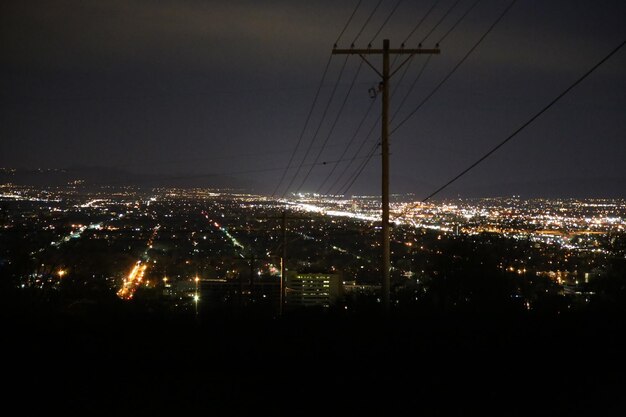
If you’re asking “Did Atlanta lose power?”, you’re probably seeing flickering lights, a dark skyline, or posts about an outage somewhere in the metro area. Atlanta does experience localized and sometimes widespread power outages, usually tied to storms, equipment failure, or accidents.
Because outages change by the minute, no article can tell you exactly what is happening right now. But you can quickly find out whether your part of Atlanta lost power, what usually causes it, and what to do next.
Is There a Power Outage in Atlanta Right Now?
You can check in a few quick steps:
Look around your street or building
- Are streetlights and nearby homes dark?
→ Likely a wider neighborhood outage. - Is it just your unit or one side of a building?
→ Could be a breaker or building-specific issue, not the whole city.
- Are streetlights and nearby homes dark?
Check your breaker panel
- If only your home is dark, see whether a breaker tripped.
- If resetting a breaker doesn’t help and your neighbors have power, you may have an individual service issue, not a citywide outage.
Use an official outage map or phone system
- In most of Atlanta, electric service is handled by a major regional power utility that offers:
- An online outage map
- A phone line or text line to report and check outages
- These tools usually show:
- Whether your address is affected
- Estimated restoration times
- The number of customers out in your area
- In most of Atlanta, electric service is handled by a major regional power utility that offers:
Check local news or radio
- Larger outages affecting major neighborhoods (Midtown, Downtown, Buckhead, Southwest Atlanta, etc.) may be reported by Atlanta TV stations, radio, or local news websites.
Common Reasons Atlanta Loses Power
Atlanta’s mix of dense urban areas, tree-lined neighborhoods, and heavy traffic creates several common causes of outages:
1. Severe Weather and Storms
Atlanta often sees:
- Thunderstorms and lightning
- High winds
- Heavy rain and flooding
- Occasional ice storms in winter
These can lead to:
- Fallen trees or branches on power lines
- Lightning strikes damaging equipment
- Flooded underground equipment in low-lying areas
Areas with mature trees like Virginia-Highland, Grant Park, Druid Hills, and parts of Southwest Atlanta are especially prone to tree-related outages during storms.
2. Equipment Failure
Power systems serving Downtown high-rises, Midtown, Buckhead, and major commercial corridors are heavily loaded. Equipment can fail due to:
- Age and wear
- Overheating during extreme heat
- Unexpected damage
These failures might cause short, localized outages or flickers affecting just a few blocks.
3. Vehicle Accidents and Construction Damage
In a busy city like Atlanta, power can be knocked out when:
- Vehicles hit power poles along roads like Peachtree St, Moreland Ave, or Donald Lee Hollowell Pkwy
- Construction crews accidentally damage underground cables
These outages tend to be very localized but can still shut down nearby traffic signals and businesses.
4. High Demand on the System
On very hot summer days, air conditioning use across the city can put stress on the grid. While full rolling blackouts are not common, voluntary conservation may be encouraged, and isolated equipment failures can still occur.
How To Tell If It’s a Local, Neighborhood, or Wider Atlanta Outage
Use this quick reference:
| What You Notice | Likely Situation | What To Do |
|---|---|---|
| Only your home is dark, neighbors have power | Individual service or breaker issue | Check breakers and call your building manager, landlord, or utility |
| Your entire street/block is dark | Local neighborhood outage | Report it to the utility and follow outage updates |
| Multiple nearby neighborhoods (for example, parts of Midtown, Old Fourth Ward, and Downtown) report outages | Larger area outage | Check outage map, news, and plan for extended disruption |
| Reports of airport, major downtown buildings, or multiple parts of the metro area being dark | Major regional outage | Follow local news and official alerts; be prepared for longer restoration times |
What To Do If You’re in an Atlanta Power Outage
1. Stay Safe First
- Avoid downed power lines. Treat all downed lines as live and dangerous.
- Do not drive over or near fallen lines in city streets or residential areas.
- Use flashlights, not candles, to reduce fire risk in older homes and apartments.
If you see a downed line in Atlanta:
- Move away and keep others clear.
- Report it immediately to the utility emergency line or 911 if it’s creating an immediate hazard.
2. Report the Outage
Even if you think the utility already knows, it helps to report:
- Use the online outage reporting tool, automated phone system, or text option (if available).
- Be ready with:
- Your service address
- A brief description: “Total outage,” “flickering lights,” “lines down,” etc.
This can help crews better target problem areas across Atlanta’s many neighborhoods.
3. Preserve Food and Electronics
- Keep refrigerator and freezer doors closed as much as possible.
- Unplug sensitive electronics (computers, TVs, gaming systems) to avoid damage when power returns.
- If you live in a high-rise in Downtown or Midtown:
- Be prepared for elevators and electric water pumps to stop.
- Have a plan for stairs and limited water pressure, especially on higher floors.
4. Manage Heat or Cold
Atlanta’s climate means outages can be uncomfortable:
- In summer, keep shades closed, drink water, and avoid unnecessary exertion.
- In winter, layer clothing, use blankets, and avoid using indoor grills or outdoor heaters indoors, which can be dangerous.
For medical needs that depend on power (oxygen machines, powered beds, etc.), Atlanta residents often:
- Keep a backup plan like portable power supplies or battery backups.
- Coordinate with family, caregivers, or local support organizations for emergency shelter if a long outage is expected.
How Power Outages Affect Key Atlanta Areas
Hartsfield-Jackson Atlanta International Airport
Atlanta’s airport has backup systems designed to keep operations running, but major power incidents can still cause:
- Flight delays or cancellations
- Disrupted baggage systems
- Terminal disruptions for shops and restaurants
If you suspect an outage affecting the airport, check:
- Your airline’s alerts
- Official airport announcements at the terminals or via their phone information line
Downtown, Midtown, and Buckhead
In these high-density areas:
- Even short outages can affect office towers, hotels, traffic lights, and MARTA stations.
- Many large buildings have backup generators, but common areas, small businesses, or residential spaces might not.
If you’re staying in a hotel:
- Ask the front desk what systems are on backup power (elevators, emergency lights, key cards, etc.).
- Follow staff instructions on staying in rooms, using stairs, or relocating.
Residential Neighborhoods
In neighborhoods like East Atlanta, Kirkwood, West End, Cascade, Sandy Springs, and Decatur:
- Overhead lines and tall trees make storm-related outages more common.
- Some homes have backup generators or battery systems, but many rely entirely on grid power.
If you’re renting:
- Report any building-specific electrical issues to your landlord or property manager in addition to the utility if you suspect internal problems (for example, damage to your meter base or building wiring).
How Long Do Power Outages Last in Atlanta?
Outage length depends on the cause:
- Minor equipment issue:
Often resolved within a few hours if crews can access the site quickly. - Tree or storm damage:
Could last several hours to more than a day if multiple lines and poles need repair. - Major regional event (for example, severe storms across the metro):
Restoration can take longer, with crews working across multiple neighborhoods.
Utilities typically prioritize:
- Public safety hazards first (downed lines, fire risks).
- Critical facilities (hospitals, emergency services, some water and transportation infrastructure).
- Largest outages affecting the most customers.
- Smaller localized issues like single streets or individual buildings.
Practical Preparation Tips for Atlanta Residents and Visitors
Even if the power is on right now, Atlanta’s weather and busy infrastructure mean it’s wise to be ready:
Basic outage kit for an Atlanta home or apartment:
- Flashlights and extra batteries
- Portable phone charger (power bank)
- A small supply of nonperishable food and bottled water
- A printed list of important phone numbers (utility, landlord, workplace, family)
- Any essential medical items that don’t require refrigeration, and a plan for those that do
For visitors staying in hotels or short-term rentals:
- Keep a small flashlight or use your phone’s light with a backup power bank.
- Ask your host or front desk how to reach them if building power or internet goes down.
- Store critical documents and medication somewhere accessible in low light.
How To Find Out If Atlanta Lost Power — Quick Recap
If you’re wondering whether Atlanta lost power:
- Check your surroundings: Is it just you, your building, or the whole street?
- Verify with an outage map or phone line: Use your utility’s tools to confirm and get estimates.
- Monitor local news: Larger outages in areas like Downtown, Midtown, Buckhead, and the airport are often reported quickly.
- Stay safe and prepared: Avoid downed lines, use flashlights, and have a basic outage kit on hand.
That’s usually all an Atlanta resident, commuter, or visitor needs to understand what’s happening and what to do when the power goes out anywhere in the city.