
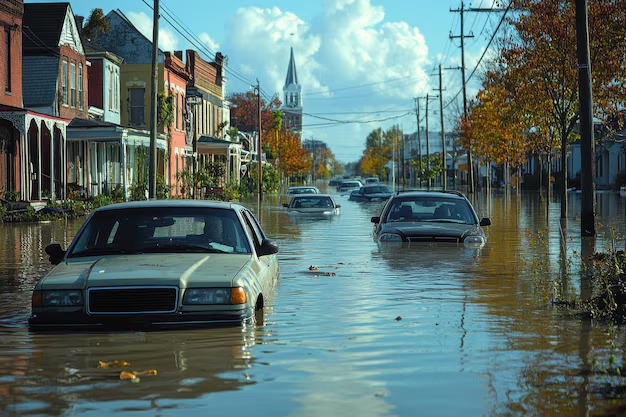
Does Atlanta Flood? What Residents and Visitors Need to Know
Atlanta is known for its trees, traffic, and hot summers—not as a coastal city. But yes, Atlanta does flood, and flooding is a real concern in certain neighborhoods and during heavy rain events.
If you live in Atlanta, are visiting, or are considering moving here, it helps to understand how and where flooding happens, what’s being done about it, and what you can do to stay safe.
How and Why Atlanta Floods
Atlanta sits well inland and at a relatively high elevation, so it doesn’t face storm surge or coastal flooding. Instead, the city’s problems are mainly:
- Flash flooding from intense thunderstorms
- Urban flooding when drainage systems are overwhelmed
- Creek and stream flooding along small waterways
Heavy Rain + Hard Surfaces = Flooding
Atlanta gets frequent strong thunderstorms, especially in late spring, summer, and early fall. These storms can drop a lot of rain in a short time.
In many parts of the city, rain can’t soak into the ground quickly because of:
- Paved streets and parking lots
- Rooftops and driveways
- Older drainage systems
When this happens, water runs off quickly, collects in low spots, and can cause sudden street and yard flooding.
Local Streams and Creeks
Many Atlanta neighborhoods are built near or over small creeks and branches, including:
- Peachtree Creek and its forks (North, South, and Clear Creek)
- Proctor Creek (northwest Atlanta)
- Utoy Creek (southwest Atlanta)
- Nancy Creek and North Fork Peachtree Creek (Buckhead and northeast areas)
These waterways can rise rapidly during heavy rain. Homes, roads, and parks near them sometimes experience creek flooding when the water overtops the banks.
Areas of Atlanta Where Flooding Is More Common
Flooding can technically happen almost anywhere given the right conditions, but some parts of Atlanta are more flood-prone because of topography, creeks, and aging infrastructure.
Commonly affected environments include:
- Low-lying neighborhoods near creeks
- Older areas with aging storm drains
- Underpasses and dips in major roads
- Large parking lots and commercial strips
Examples of areas where flooding has been reported over the years include parts of:
- Buckhead and North Atlanta near Nancy Creek and Peachtree Creek
- Midtown and intown neighborhoods near Clear Creek and low-lying spots
- Northwest Atlanta along Proctor Creek
- Southwest Atlanta near Utoy Creek and some low-lying residential areas
Flood risk can vary block by block. Two homes on the same street can have very different experiences depending on elevation and drainage.
Types of Flooding You Might See in Atlanta
Here’s a quick overview of the main flooding types in the city:
| Type of Flooding | What It Looks Like | Where It Often Happens in Atlanta |
|---|---|---|
| Flash flooding | Water rises quickly, streets turn into streams | Steep streets, underpasses, areas with poor drainage |
| Urban/street flooding | Puddles become pools, water covers lanes | Major intersections, older neighborhoods |
| Creek/stream flooding | Creeks overflow into yards, basements, parks | Near Peachtree, Proctor, Utoy, Nancy Creek, etc. |
| Yard & basement flooding | Water pooling around homes, seepage indoors | Low lots, homes below street grade |
Most Atlanta flooding is short-lived, but even brief events can cause property damage and create unsafe driving conditions.
How Often Does Atlanta Flood?
Atlanta does not flood constantly, but flooding happens every year somewhere in the metro area, usually:
- During strong thunderstorms
- When a tropical system or remnants of a hurricane move inland and stall
- When several days of rain saturate the ground
You might only notice minor street flooding where you live, while another part of the city experiences significant problems on the same day. Flooding in Atlanta is very localized.
Common patterns:
- Summer thunderstorms can cause fast, localized flash flooding.
- Fall tropical remnants can bring hours of steady heavy rain, leading to creek flooding and drainage backups.
- Any season can see flooding when intense rainfall overwhelms drainage.
If You Live in Atlanta: How to Know Your Flood Risk
Flooding in Atlanta is very specific to each address. To understand your personal risk, focus on:
1. Your Exact Location and Elevation
Your risk increases if:
- Your home sits below street level
- You are downhill from surrounding properties
- Your property is near a creek, stream, or drainage channel
- Water tends to pool in your yard or driveway during ordinary storms
Walk around during lighter rains and notice how water flows on your street and lot.
2. Official Flood Maps and Local Information
You can use:
- FEMA flood maps to see general flood zones (for insurance and planning)
- City of Atlanta Department of Watershed Management resources for drainage and flooding information
Local government departments that handle drainage and flooding include:
City of Atlanta Department of Watershed Management
- 72 Marietta St. NW, Atlanta, GA 30303
- Main line: (404) 330-6081
- For water, sewer, or stormwater issues on city-maintained systems
City of Atlanta Office of Emergency Management
- 180 Peachtree St. NW, Suite 806, Atlanta, GA 30303
- Emergency preparedness and weather-related safety information
These agencies can provide guidance on local drainage issues, floodplain information, and mitigation programs.
3. Your Building’s Design
Buildings at higher risk include:
- Homes with basements in low or sloping lots
- Structures with old or poorly maintained gutters and downspouts
- Buildings with insufficient grading, where water flows toward, not away from, foundations
Small improvements like redirecting downspouts and regrading problem spots can reduce minor flooding, but they don’t replace the need to understand larger flood risks.
Flooding and Atlanta’s Roads: What Drivers Should Know
Even if your home doesn’t flood, you can still be affected by flooded streets and highways.
Common trouble spots include:
- Underpasses and low points along major roads
- Intersections with clogged storm drains
- Areas near creeks where roads dip close to the water
In heavy rain, you’ll sometimes see:
- Standing water in the Downtown Connector (I‑75/85) low sections
- Ponding on portions of I‑20, I‑285, and surface streets
- Local streets turning into shallow streams for short periods
Key safety tips:
- Do not drive through flooded roads. Water may be deeper than it looks and can hide road damage.
- Turn around, don’t risk it—even a small amount of moving water can push a vehicle off the road.
- Use traffic and weather alerts before commuting when storms are forecast.
Flooding for Visitors and Short-Term Stays
If you’re just visiting Atlanta, your main concerns are:
- Transportation disruptions: Delays, detours, or closures on major roads during or after storms
- Event impacts: Outdoor events or festivals may be delayed or cancelled
- Parking lots: Some low-lying lots and decks can collect water near entrances or exits
Practical tips for visitors:
- Plan extra travel time when strong storms are in the forecast.
- Avoid parking in obvious low spots in open lots.
- If staying in a ground-floor unit or older building, ask the property manager if the area has had flooding issues in the past.
What Atlanta Is Doing About Flooding
Flooding in Atlanta has been a concern for decades, and the city has worked on multiple efforts to reduce and manage flood impacts.
Stormwater and Drainage Projects
The City of Atlanta Department of Watershed Management oversees:
- Upgrades to storm drains and culverts
- Maintenance of drainage channels and pipes
- Projects to separate or improve sewer and stormwater systems in certain areas
Residents can often request inspections or report blockages when they see:
- Clogged storm drains
- Collapsed or damaged drainage structures
- Repeated standing water in public streets
To report non-emergency flooding or drainage issues in the city of Atlanta:
- Use 311 within city limits or call the City of Atlanta customer service line: (404) 546-0311
Green Infrastructure and Parks
Atlanta has also invested in green infrastructure to help absorb stormwater, such as:
- Stormwater parks and ponds that temporarily hold runoff
- Rain gardens and planted areas that let water soak into the ground
- Projects that restore and stabilize stream banks
Some city parks and green spaces are designed to flood on purpose during heavy rain, protecting nearby homes and streets by holding excess water.
Practical Steps Atlanta Residents Can Take
Even if you can’t change city infrastructure, you can reduce your own risk and damage.
Around Your Home
✅ Keep gutters and downspouts clear
Clogged gutters send water down walls and near foundations.
✅ Direct water away from the house
Use splash blocks or extensions to move downspout water at least several feet away from the building.
✅ Check grading around your foundation
Soil should slope gently away from your home, not toward it.
✅ Keep nearby drains clear
If it’s safe to do so, remove leaves and debris from the top of curb inlets and storm drains near your home to help water flow.
✅ Store important items off the floor
In basements or ground-level storage areas, keep valuable items on shelves or pallets.
Insurance and Documentation
Even if you have not flooded before, consider:
- Checking with your insurance agent about coverage options for water damage
- Keeping photos and documentation of your home’s condition and contents
- Placing important documents in water-resistant containers or storing digital copies securely
Standard homeowners policies often treat flooding differently from other types of water damage, so it’s important to understand what is and is not covered.
Staying Informed During Heavy Rain in Atlanta
Flood conditions can develop quickly, especially during strong thunderstorms. To stay aware:
- Sign up for weather alerts on your phone.
- Pay attention to local TV, radio, and app-based weather updates during severe weather.
- Follow guidance from local officials, including:
- City of Atlanta Office of Emergency Management
- Fulton County Emergency Management Agency (for much of central and north Atlanta)
- DeKalb County Emergency Management (for parts of east/southeast Atlanta)
In a life-threatening emergency, call 911.
Does Atlanta Flood? The Bottom Line
- Yes, Atlanta does flood, mostly from heavy rain, overwhelmed drainage, and creek overflows.
- Risk is highly local—it depends on your exact street, elevation, and proximity to creeks and low spots.
- Many residents experience mainly minor street or yard flooding, but some areas have had serious property and road flooding during major storms.
- The city and surrounding counties are actively working on stormwater and drainage improvements, but individual property steps still matter.
If you live in or visit Atlanta, it’s wise to treat heavy rain seriously, know how water behaves where you are, and use local resources and alerts to stay safe.