
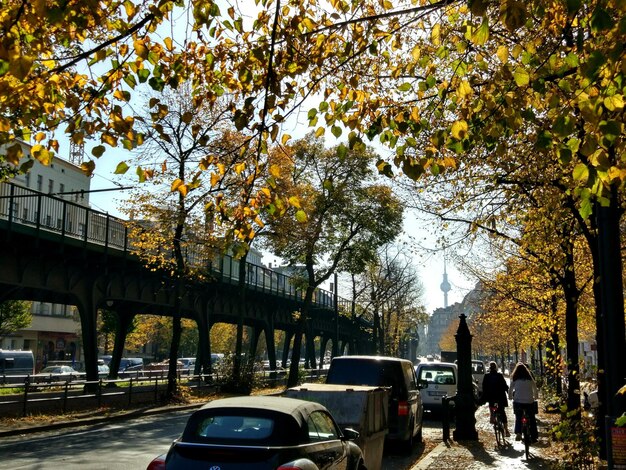
Fall Color in the City: Does Atlanta Have Real Fall Foliage?
Yes — Atlanta absolutely has fall foliage, and it can be surprisingly vibrant for a Southern city. While it’s not New England, Atlanta’s mix of hardwood forests, mature street trees, and nearby mountains gives residents and visitors plenty of chances to enjoy colorful leaves without leaving the metro area.
Below is a practical guide to what fall foliage looks like in Atlanta, when it happens, and where to see it.
What Fall Looks Like in Atlanta
Atlanta is often called a “city in a forest” because of its extensive tree canopy. That canopy is what makes fall here worthwhile.
You’ll typically see:
- Reds – from red maples, dogwoods, black gums, and some oaks
- Oranges – from sugar maples and sweetgums
- Yellows and golds – from hickories, tulip poplars, and some oaks
- Deep wine and bronze tones – from certain oaks and sweetgums
Because Atlanta’s climate is relatively mild:
- Color change is gradual, not abrupt
- Trees don’t all peak at once — you can see color unfolding over several weeks
- The show depends a lot on temperature, rain, and early cold snaps each year
When Does Fall Foliage Typically Peak in Atlanta?
There’s no exact “one weekend,” but there are reliable patterns.
Typical Atlanta Fall Foliage Timeline
| Timeframe | What You’ll Usually See in Atlanta |
|---|---|
| Late September | Very early changes on a few trees; most trees still green |
| Early–Mid October | Scattered color in parks & neighborhoods; dogwoods redden |
| Late October | Color builds; more maples, sweetgums, and some oaks change |
| Early November | Often the peak in many Atlanta neighborhoods |
| Mid–Late November | Later oaks and hickories show color; leaves begin to drop |
Because weather varies, peak color in metro Atlanta usually falls between late October and mid-November. Higher elevations in North Georgia often peak a bit earlier, so you can “chase” foliage north first, then enjoy color in-town afterward.
What Kinds of Trees Give Atlanta Its Fall Color?
Atlanta’s fall foliage is powered by a diverse mix of native and planted trees. Common fall-color contributors include:
- Red maple – bright red and orange
- Sugar maple and other maples – strong yellow, orange, and red
- Dogwood – deep red to burgundy leaves
- Sweetgum – purple, red, orange, and yellow on the same tree
- Tulip poplar – clear yellow
- Southern red oak, white oak, and other oaks – russet, bronze, and sometimes red
- Hickories – rich yellow and gold
- Crepe myrtle & ornamental cherries – extra pops of red or orange in yards and streetscapes
In many intown Atlanta neighborhoods, older tree canopies create tunnels of color along residential streets, especially where large maples and oaks line the sidewalks.
Best Places to See Fall Foliage in and Around Atlanta
You don’t have to leave Atlanta to see fall color, but you have options from urban parks to nearby mountains.
Top In-Town Spots for Fall Color
1. Piedmont Park (Midtown)
1320 Monroe Dr NE, Atlanta, GA 30306
Atlanta’s signature park offers:
- Sweeping views of colorful trees against the Midtown skyline
- Lakeside reflections around Lake Clara Meer
- Pockets of older hardwoods in less manicured sections
It’s easy to pair a foliage walk with nearby dining in Midtown or the BeltLine.
2. Atlanta BeltLine Eastside & Northside Trails
The BeltLine is lined with street trees, landscaped plantings, and views into adjacent neighborhoods:
- Eastside Trail (Old Fourth Ward, Inman Park, Virginia-Highland area) – lots of ornamental trees and color from yards and parks along the route
- Northside Trail – more wooded and quiet, with stretches that feel almost like a forest walk
This is a good option if you want a car-free stroll or bike ride with steady fall color.
3. Grant Park & Oakland Cemetery (Intown)
- Grant Park – Mature hardwoods, hilly terrain, and open lawns create classic fall scenes.
- Oakland Cemetery, 248 Oakland Ave SE, Atlanta, GA 30312 – This historic cemetery doubles as an arboretum, with old oaks and maples that take on rich color, especially around the hilltops and family plots.
Both are close to downtown and easy to combine into one outing.
4. Freedom Park (East Atlanta/Decatur Corridor)
Runs roughly between the Carter Center and Little Five Points toward Poncey-Highland and Candler Park.
This linear park offers:
- Long views of tree-lined paths
- Plenty of dogwoods, maples, and oaks
- Easy access by bike or on foot from several neighborhoods
5. Chastain Park (North Buckhead)
140 W Wieuca Rd NW, Atlanta, GA 30342
Known for its rolling hills, walking path, and large trees, Chastain offers classic residential-park foliage with a suburban feel but still inside the city.
Nature-Focused Foliage Near the City
6. Chattahoochee River National Recreation Area (Multiple Units)
The units closest to central Atlanta, such as Palisades, Cochran Shoals, and Island Ford, offer:
- Riversides lined with color-changing hardwoods
- Bluff and ridge trails with great vantage points
- A more “wild” feel without a long drive
Check the National Park Service’s Chattahoochee River units for specific addresses and parking areas; popular spots in the metro area include entrances near Interstate 285 and GA-400.
7. Stone Mountain Park (East of Atlanta)
1000 Robert E Lee Blvd, Stone Mountain, GA 30083
Well-known for:
- Views from the top of the granite outcrop looking out over a forested landscape
- Lakes and wooded trails around the base
- A mix of pine and hardwood, giving both evergreen and fall color in one view
8. Arabia Mountain National Heritage Area (East/Southeast)
Around Lithonia and Stonecrest (DeKalb County)
Features:
- Exposed rock outcrops
- Surrounding woodlands and lakes that turn color in fall
- Trails that blend unique geology with seasonal foliage
The Arabia Mountain Nature Preserve area is a bit less crowded than Stone Mountain but offers similar granite landscapes.
Day Trips from Atlanta for “Big” Fall Color
If you’re starting in Atlanta and willing to drive 1–2.5 hours, you can easily reach areas with denser forests and cooler temps, which often means brighter and earlier color.
North Georgia Mountain Towns & Parks (all commonly visited from Atlanta):
- Amicalola Falls State Park – Near Dawsonville; waterfall plus mountain hardwood forests
- Vogel State Park – Near Blairsville; a classic North Georgia fall destination
- Tallulah Gorge State Park – Near Tallulah Falls; dramatic scenery plus color along cliff edges
- Blue Ridge, Ellijay, Dahlonega, Helen – Gateway towns to higher elevations with scenic drives
Many Atlanta residents time their trips so they see peak color in the mountains first, then enjoy a second wave of color back home in the city.
How Atlanta’s Climate Affects Fall Foliage
Atlanta’s humid subtropical climate shapes how fall plays out:
- Later and longer season – Color tends to start later than in colder regions but can last well into November.
- Temperature swings – Warm spells can slow color change; a sudden cold snap can speed it up or cause leaves to drop more quickly.
- Rain patterns – Extended drought or heavy storms in late summer and fall can affect how vivid and long-lasting the color is.
Because of this, no two Atlanta falls look exactly alike. Some years are all about clear reds and oranges; others lean more to browns and muted golds.
Where Fall Color Shows Up in Everyday Atlanta Life
You don’t have to plan a special trip to notice foliage. In Atlanta, you’ll see changing leaves:
- Along residential streets with older trees (Virginia-Highland, Inman Park, Grant Park, Druid Hills, and many other neighborhoods)
- Around campuses like Georgia Tech and Georgia State, which mix modern architecture with established trees
- In office parks and commercial corridors, especially in North Atlanta areas where plantings include maples and ornamental species
- Around MARTA rail lines that pass through wooded corridors, offering brief views of color on your commute
If you’re staying in a hotel or short-term rental, simply walking a few blocks in most older intown neighborhoods in late October or early November will typically reveal pockets of strong fall color.
Tips for Planning Your Fall Foliage Outings in Atlanta
Here are practical ways to make the most of fall color without overplanning:
- Watch the weather
- A stretch of cool, clear nights and sunny days often means more vivid color in the following weeks.
- Be flexible on timing
- Aim for outings between late October and mid-November, but adjust based on what you’re seeing around your neighborhood.
- Combine walks with everyday errands
- Use the BeltLine, Piedmont Park, or neighborhood loops as part of your commute or lunch break to enjoy color without a “special trip.”
- Consider weekday visits
- Popular parks and mountain destinations can be crowded on fall weekends. Going early in the day or on weekdays can mean calmer views and easier parking.
- Use multiple spots through the season
- Start with higher or north-facing areas and mountain day trips in mid–late October, then enjoy in-town spots in early–mid November.
Is Atlanta a Good Place for Leaf Peeping?
For someone living in or visiting Atlanta, the answer is yes — as long as you have the right expectations:
- If you’re imagining endless mountain ranges covered in red maples, that’s more typical of cooler-climate regions.
- If you’re looking for a city where everyday streets, parks, and nearby natural areas offer weeks of color, Atlanta delivers that consistently most years.
- The mix of urban skyline views plus colorful trees is something many visitors find unique to Atlanta in the fall.
Whether you’re a local planning a quick evening walk or a visitor building a fall weekend itinerary, you can count on real, noticeable fall foliage in Atlanta, usually from late October into November, with even more dramatic options a short drive to the north.