
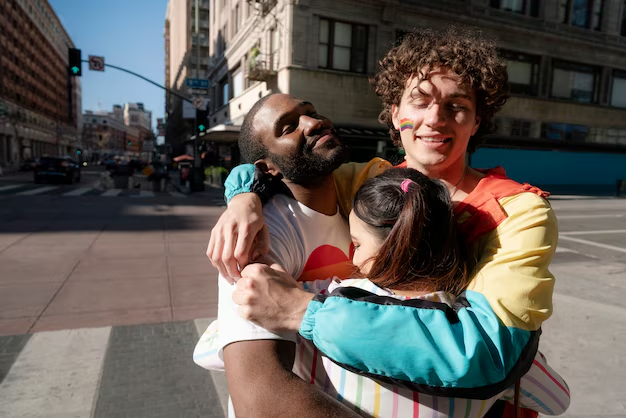
How LGBTQ+ Friendly Is Atlanta? A Local Guide to the City’s Queer Scene
Atlanta often gets described as the “gay capital of the South”—and for many residents and visitors, that label feels accurate. The city has a large, visible LGBTQ+ community, a long history of queer activism, and plenty of spaces where LGBTQ+ people live, work, and socialize openly.
Still, how “gay” Atlanta feels can depend a lot on where you are in the metro area, what you’re looking for, and your own comfort level. Here’s a clear, practical look at what to expect if you’re LGBTQ+ (or just curious) in Atlanta.
Atlanta’s Overall LGBTQ+ Vibe
Atlanta is generally considered one of the most LGBTQ+ friendly cities in the Southeast. You’ll see same-sex couples walking around Midtown, Pride flags in shop windows, and well-established queer-owned businesses.
Broadly:
- In-town neighborhoods (especially Midtown, Old Fourth Ward, East Atlanta, Decatur, West Midtown) feel the most openly queer.
- Suburban and exurban areas can be more mixed or conservative, with less visible LGBTQ+ life.
- Younger areas around universities (Georgia State, Georgia Tech, Emory, Morehouse/Spelman/Clark Atlanta) tend to be more affirming.
If you stay in or near central Atlanta, you’ll likely find the city feels very gay-friendly in day-to-day life, especially compared to much of the surrounding region.
Key LGBTQ+ Neighborhoods and “Gayborhoods”
Some parts of Atlanta are especially known for LGBTQ+ life and nightlife. These are the areas where the city’s reputation as a queer hub is most obvious.
Midtown: Atlanta’s Best-Known Gay Hub
Midtown is the closest thing Atlanta has to a classic “gayborhood.” It’s central, walkable by Atlanta standards, and full of queer-friendly spaces.
What Midtown is known for:
- LGBTQ+ bars and clubs along and around Peachtree St and 10th St
- Piedmont Park, often packed with queer folks on weekends and during Pride
- Pride flags and rainbow crosswalks (especially around 10th & Piedmont)
- A mix of condos, apartments, and higher-density living that attracts young professionals, including many LGBTQ+ residents
If you want to feel the most “this is a gay city” energy, Midtown is usually the first stop.
Old Fourth Ward, Inman Park, and Eastside
The Eastside neighborhoods have become popular with LGBTQ+ residents as Midtown has grown more expensive:
- Old Fourth Ward (O4W) – Artsy, diverse, and close to the Atlanta BeltLine Eastside Trail, with queer-friendly bars, coffee shops, and shared spaces.
- Inman Park – More residential but often welcoming, with a progressive reputation.
- Edgewood & Little Five Points – Known for alternative, counterculture, and arts scenes; you’ll see a mix of LGBTQ+, punk, artsy, and activist crowds.
You’re less likely to find “gay-only” spaces here, but the overall vibe is inclusive and queer-friendly.
Decatur and Nearby Areas
Downtown Decatur, just east of Atlanta, is frequently described as:
- Progressive and family-friendly
- Popular with queer couples, including those with kids
- A spot where LGBTQ+ people often feel comfortable living more suburban-style lives with an urban edge
The city of Decatur regularly hosts inclusive events and has openly LGBTQ+ community members in visible roles. If you want a quieter feel than Midtown with a strong sense of safety and acceptance, Decatur often stands out.
West Midtown and Surrounding Areas
West Midtown, Blandtown, and nearby neighborhoods have seen rapid growth and redevelopment. While not historically “gay neighborhoods,” they attract many young professionals, including LGBTQ+ residents, and tend to feel casually inclusive rather than explicitly queer-focused.
LGBTQ+ Nightlife and Social Scene
Atlanta’s LGBTQ+ nightlife is one of the strongest in the region. The mix changes over time, but a few patterns are consistent.
Types of LGBTQ+ Spaces You’ll Find
In and around Midtown and the central city, you’ll typically find:
- Dance clubs with drag shows, themed nights, and different music genres
- Neighborhood bars known for a regular local LGBTQ+ crowd
- Mixed bars and lounges that are queer-friendly but not exclusively LGBTQ+
- Queer events that rotate between venues, like drag brunches, comedy nights, and themed parties
A lot of nightlife is clustered near Midtown, but you’ll also see queer events popping up in neighborhoods like East Atlanta Village, West Midtown, and Old Fourth Ward.
Social Life Beyond Bars and Clubs
Atlanta’s LGBTQ+ scene is not only nightlife-focused. You can find:
- Queer sports leagues (kickball, softball, bowling, etc.)
- LGBTQ+ meetup groups for hiking, board games, book clubs, and social outings
- Faith communities that are openly affirming and LGBTQ+-inclusive
- Artist and creative communities that include many queer and trans people, especially around downtown, O4W, and Eastside arts spaces
If bars aren’t your thing, it’s still very possible to build a queer community here through shared interests and community organizations.
Pride and Major LGBTQ+ Events in Atlanta
Atlanta hosts some of the largest LGBTQ+ celebrations in the Southeast, which strongly shapes how “gay” the city feels—especially in the fall.
Atlanta Pride Festival & Parade
The Atlanta Pride Festival is usually held in October in and around Piedmont Park. It typically includes:
- A large Pride parade running through Midtown
- Live performances, speakers, and vendor areas
- Community organization booths and resource tents
- A visible, multigenerational mix of LGBTQ+ people and allies
During Pride weekend, Midtown in particular feels extraordinarily queer and festive, and visitors often describe it as one of the best times to see Atlanta’s LGBTQ+ culture at full strength.
Other Notable LGBTQ+ Events
While details change year to year, Atlanta commonly hosts:
- Black LGBTQ+ Pride events, often centered around Labor Day weekend
- Film festivals and cultural events highlighting LGBTQ+ creators
- Trans-focused gatherings and visibility events, often organized by local nonprofits and community groups
- Regular drag shows and drag brunches across multiple neighborhoods
If you’re in Atlanta or planning a visit, checking local event calendars can help you tap into what’s happening that week.
Laws, Protections, and Everyday Safety
Atlanta’s reputation as a queer-friendly city exists within Georgia’s broader legal and cultural context, which can be more conservative. Many LGBTQ+ people in Atlanta find the city livable and affirming, but there are practical realities to understand.
Local Protections Inside the City
Within the City of Atlanta and some surrounding municipalities (like Decatur), there are local non-discrimination ordinances that protect LGBTQ+ people in areas such as:
- Housing
- Public accommodations (stores, restaurants, services)
- Some aspects of employment
These local laws don’t solve everything, but they help reinforce what many people already experience in central Atlanta: more open acceptance and clearer rules against discrimination in daily life.
Varying Experiences Across the Metro
As you move farther from the core city:
- Cultural attitudes can become more conservative.
- You may see fewer visible LGBTQ+ spaces and Pride flags.
- Public displays of affection that feel comfortable in Midtown might draw more attention in some outer areas.
Many LGBTQ+ Atlantans navigate this by:
- Feeling fully out and open in in-town neighborhoods and city spaces
- Being more cautious in certain suburban or rural areas, especially at night or when they don’t know the local culture well
This doesn’t mean outer areas are automatically unsafe, but experiences can be more mixed compared to Midtown or Decatur.
Community Centers and LGBTQ+ Resources in Atlanta
For residents and visitors who want support, connection, or information, Atlanta has several established organizations and community hubs.
Here is a simple overview of some key resource types:
| Resource Type | What It Offers | Atlanta Notes |
|---|---|---|
| LGBTQ+ Community Centers | Programs, support groups, events, referrals | Concentrated in central Atlanta |
| Health & Wellness Organizations | LGBTQ+-focused health care, HIV/STI services | Multiple locations inside the perimeter |
| Legal & Advocacy Groups | Policy work, legal resources, rights education | Based in city; influence across Georgia |
| Youth & Family Services | Support for LGBTQ+ youth, parents, and caregivers | Often located or meeting in central areas |
You can typically find:
- Community centers offering support groups, social events, and referrals to affirming services.
- Nonprofits providing HIV testing, PrEP navigation, and LGBTQ+-competent health resources.
- Legal and advocacy organizations that work on non-discrimination, trans rights, and broader civil rights in the city and state.
- Youth-focused groups providing safer spaces and mentorship for LGBTQ+ teens and young adults.
If you’re new to Atlanta or questioning how to plug in, many people start by searching for an Atlanta LGBTQ+ community center or advocacy group, then asking for referrals tailored to their needs (health, housing, social support, etc.).
LGBTQ+ Families, Parenting, and Schools
Atlanta is home to many queer families and parents, especially in areas such as Midtown, Decatur, and various intown neighborhoods.
Parenting and Family Life
In and around the city, you’ll find:
- LGBTQ+ parents at playgrounds, PTA meetings, and local events
- Schools and daycares that have experience with same-sex parents and diverse families
- Family-friendly Pride events and community spaces where children are welcome
Some public and private schools in intown areas are more visibly supportive of LGBTQ+ students and families, with inclusive language in policies and active diversity initiatives. As with many places, specific school cultures vary, so parents often:
- Ask about non-discrimination policies
- Talk with other LGBTQ+ families in the district
- Visit schools and pay attention to how staff discuss family diversity and student safety
Intersectionality: Race, Class, and Queer Atlanta
Atlanta has a major Black LGBTQ+ community, and the experience of being gay or queer in Atlanta can differ significantly based on race, gender identity, and income.
Important points:
- The city has a long history of Black queer activism and culture, including events, nightlife, and social groups specifically centering Black LGBTQ+ people.
- Some queer spaces may feel more white, more Black, or more mixed, depending on the neighborhood and the event.
- Rising housing costs in central neighborhoods have pushed some queer and trans people, especially those with lower incomes, into less central or less resourced areas, which can affect access to affirming spaces.
If you’re moving to Atlanta, it can help to look for communities or events that align with both your LGBTQ+ identity and your racial, cultural, or religious background, since the city is large and diverse enough to support many sub-communities.
Trans and Nonbinary Experiences in Atlanta
Trans and nonbinary people are a visible part of Atlanta’s LGBTQ+ community, but their experiences can be more complex and uneven.
Common realities:
- In central Atlanta, it’s increasingly common to see businesses and spaces that are explicitly trans-affirming, including clinics, barbershops/salons, and community organizations.
- There are support groups, peer networks, and advocacy efforts specifically for trans and nonbinary Atlantans.
- Access to gender-affirming care, ID changes, and safe housing can still involve bureaucratic and cultural hurdles, and support is often strongest in or near the city rather than far outside it.
Many trans and nonbinary residents emphasize that Atlanta is far better than many surrounding areas in terms of acceptance and services, but daily life can still require navigating safety, misgendering, and discrimination in certain contexts.
Practical Tips for LGBTQ+ Visitors to Atlanta
If you’re visiting and wondering how “gay” Atlanta will feel to you, here are some practical guidelines.
Where to Stay
To maximize ease and comfort, many LGBTQ+ visitors choose:
- Midtown – For proximity to gay nightlife, Piedmont Park, and a visibly queer environment.
- Old Fourth Ward / Inman Park – For access to the BeltLine, restaurants, and a creative, queer-friendly vibe.
- Decatur – For a quieter, progressive feeling with good transit access into the city.
Being in these neighborhoods generally makes it easier to walk or rideshare to queer spaces and feel immediately plugged in.
Getting Around Safely
Atlanta is a driving city, but you can combine MARTA (the train and bus system) with rideshare and walking:
- Many LGBTQ+ nightlife spots are in areas well covered by rideshare services, especially around Midtown and Downtown.
- As in any major city, staying aware of your surroundings at night, especially when leaving bars or clubs, is wise.
- Most LGBTQ+ visitors report feeling comfortable holding hands or being visibly queer in central neighborhoods during the day and in nightlife zones at night.
How Open Can You Be?
In central Atlanta areas—especially Midtown, Decatur, and parts of the Eastside—many LGBTQ+ people feel comfortable:
- Holding hands with partners
- Using gender-affirming clothing and presentation
- Speaking openly about identity in public spaces
In more rural or unfamiliar areas outside the perimeter, some people choose to be more discreet, especially if they don’t know the local vibe.
So, How Gay Is Atlanta, Really?
For many people, Atlanta stands out as:
- One of the most LGBTQ+ visible and active cities in the South
- A place where queer and trans people can build full lives, from dating and nightlife to families and careers
- A city with stronger protections and more community resources than much of the surrounding region
At the same time, Atlanta is part of a diverse and sometimes divided metro area, where attitudes can shift quickly as you move from Midtown to outer suburbs or rural Georgia.
If you live in or visit Atlanta’s central neighborhoods, you’ll likely experience the city as vibrantly, confidently queer—with plenty of spaces, events, and communities that make “How gay is Atlanta?” feel less like a question and more like a daily reality.