
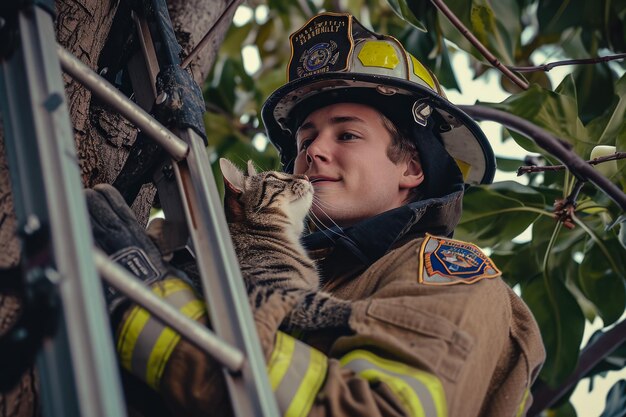
Becoming a Firefighter in Atlanta: Step‑by‑Step Guide for Local Applicants
Becoming a firefighter in Atlanta, Georgia is competitive, demanding, and very rewarding. If you live in Atlanta or plan to move here, understanding how the process works locally will save you time and frustration.
Below is a clear walkthrough of how to become a City of Atlanta firefighter, plus notes on nearby departments, training expectations, and what life on the job looks like in the Atlanta area.
Overview: How the Atlanta Firefighter Hiring Process Works
Most people in or near the city are aiming for the Atlanta Fire Rescue Department (AFRD), which serves the City of Atlanta. The department handles fire suppression, emergency medical calls, rescue, and special operations across the city.
In simple terms, the process usually includes:
- Meeting basic eligibility requirements
- Applying during an open hiring period
- Passing written and physical aptitude tests
- Clearing background, driver, and medical evaluations
- Attending and graduating from the Atlanta fire academy
- Completing a probationary period on shift
Each step has specific local details you should know if you’re applying in Atlanta.
Basic Requirements to Be a Firefighter in Atlanta
Exact standards can change, so it’s smart to confirm the latest details with AFRD. In general, applicants for firefighter/EMT positions in Atlanta should expect to meet these common requirements:
Age, Education, and Residency
- Minimum age: Typically 18 years old at the time of hire
- Education: At least a high school diploma or GED
- Citizenship: Usually U.S. citizen or eligible to work in the U.S.
- Driver’s license: Valid Georgia driver’s license (or ability to obtain one by hire date)
Atlanta does not always require you to already live in the city limits to apply, but living nearby can make the hiring process and academy commute easier. Always check whether local preference points or residency incentives apply.
Criminal and Driving Background
You can expect:
- Background investigation (criminal history, prior employment, references)
- Driving record review (DUIs, serious violations, or a history of accidents can be disqualifying)
Minor issues do not always automatically disqualify you, but serious patterns of unsafe or dishonest behavior generally will. Be prepared to explain any past issues honestly.
Physical and Medical Requirements
Firefighting in Atlanta means:
- Climbing multi‑story buildings
- Operating heavy tools in high heat and humidity
- Working long shifts, often 24 hours on / 48 hours off
You will likely need to:
- Pass a job-related physical agility test
- Complete a medical evaluation by a department-approved provider
- Undergo drug screening
Good cardiovascular fitness, strength, and endurance are essential. Many Atlanta applicants train specifically for the firefighter physical test months in advance.
Step 1: Monitor Atlanta Firefighter Job Openings
The first practical step is to watch for open firefighter recruit positions with Atlanta Fire Rescue Department.
Typical entry-level title:
Firefighter Recruit or Firefighter/EMT Recruit
AFRD’s administrative offices are generally based in or near downtown:
- Atlanta Fire Rescue Department (AFRD)
Often coordinated with City of Atlanta human resources and public safety recruiting offices.
You can:
- Check City of Atlanta government job postings for “Firefighter Recruit” openings
- Call or visit the city’s main information line or HR office for current hiring status
- Ask if AFRD has a recruiting unit you can speak with about upcoming academies
Hiring can be continuous or periodic, depending on budget, staffing needs, and academy schedules. Some years see multiple recruit classes; other times hiring is more limited.
Step 2: Submit Your Application
When a firefighter recruit position opens, you’ll complete an official City of Atlanta employment application. Be prepared to provide:
- Personal identification information
- Education history (high school, college, technical school)
- Employment and volunteer experience
- Military service, if applicable
- Any fire, EMS, or related certifications (even if not required)
Tips for Atlanta applicants:
- Be thorough and accurate. Inconsistencies may raise flags during the background check.
- Highlight any public safety or customer-service experience, such as security, lifeguarding, EMT, or military service.
- If English is not your first language, highlight bilingual skills, which can be an asset in Atlanta’s diverse communities.
Once you submit, you may be invited to written and physical testing if you meet basic requirements.
Step 3: Pass Written and Aptitude Testing
Atlanta typically uses one or more written tests to assess:
- Reading comprehension (understanding policies, procedures, written instructions)
- Basic math (word problems, measurements, simple calculations)
- Mechanical aptitude and spatial awareness
- Situational judgment and problem-solving
What helps:
- Reviewing basic arithmetic and reading skills
- Practicing with common firefighter exam prep materials
- Getting comfortable taking timed, multiple-choice tests
Many Atlanta applicants find that prior study reduces test anxiety and improves performance, especially if they’ve been out of school for a while.
Step 4: Pass the Physical Agility / Ability Test
Atlanta will require a physical ability test designed to simulate real firefighting tasks. While the exact course can vary, you should expect activities such as:
- Climbing and descending stairs with weighted gear
- Hose drag and advance
- Equipment carry (tools, ladders, fan units)
- Dummy/Rescue drag
- Forcible-entry simulation (striking a device with a mallet)
- Crawling and maneuvering in tight or low-visibility spaces
You will usually be tested in a set time limit while wearing a weighted vest or partial gear.
Local training tips:
- Atlanta’s hot, humid weather can make the test feel harder. Practice cardio and strength work in conditions similar to what you’ll face on test day, if safe to do so.
- Focus on leg strength, core stability, grip strength, and stair climbing.
- Practice working at elevated heart rate while performing tasks like carrying, dragging, and lifting.
If you have concerns about your ability to perform certain tasks, consider speaking with a medical or fitness professional before testing.
Step 5: Background, Interviews, and Final Evaluations
Once you pass the written and physical tests, Atlanta may invite you to:
Oral Interview or Panel Interview
You may be interviewed by:
- AFRD officers or training staff
- Human resources representatives
They may ask about:
- Motivation for becoming a firefighter in Atlanta
- Teamwork and conflict‑resolution examples
- How you handle stress and criticism
- Ethical decision-making and integrity
It helps to be:
- Honest and specific
- Familiar with Atlanta neighborhoods, community diversity, and fire risks (high‑rises, older homes, major highways, airport environment, etc.)
- Ready to explain why you want to serve this city, not just “be a firefighter”
Background Investigation
Investigators may:
- Verify your past employment, schooling, and references
- Review criminal history and driving records
- Confirm residence history
Respond promptly if they request more documents or clarification.
Medical and Psychological Evaluations
Expect:
- A comprehensive medical exam to ensure you can safely perform firefighting duties
- Drug screening
- In some cases, a psychological evaluation or interview to assess emotional stability, judgment, and suitability for high-stress emergency work
Step 6: Atlanta Fire Academy Training
If you’re selected, you’ll be given a conditional job offer and assigned to a fire academy class. For AFRD, this is typically a structured recruit school that lasts several months.
During the academy, you’ll be paid as a Firefighter Recruit while you train.
What You’ll Learn in the Atlanta Fire Academy
Training usually covers:
- Firefighter I and II skills
- Fire behavior and building construction
- Hose handling, ladders, ventilation
- Search and rescue, forcible entry
- Emergency Medical Training
- Many Atlanta recruits are trained to at least EMT level, since most calls are medical
- Hazardous materials awareness and operations
- Vehicle extrication and rescue tools
- Live fire training in controlled burn buildings
- High‑rise operations, important for downtown Atlanta
- Physical fitness and conditioning, often daily
Expect a military-style, disciplined environment with strict standards for:
- Punctuality and attendance
- Uniform and appearance
- Chain of command
- Academic test scores and practical skills
Recruits who fail to meet performance or conduct standards may be dismissed, so it’s wise to prepare physically and mentally before day one.
Step 7: Probationary Firefighter in the City of Atlanta
After graduating the academy, you’ll be assigned to an Atlanta fire station as a probationary firefighter. Probation usually lasts about a year, though exact length is set by the department.
During probation:
- You’ll work 24‑hour shifts (or another operational schedule) with a crew
- You’ll respond to structural fires, medical calls, vehicle accidents, alarms, and special incidents
- Officers will closely evaluate your:
- Fireground performance
- Medical skills
- Teamwork and communication
- Attendance and professionalism
You may also have additional probationary tests, checkoffs, or evaluations to complete.
Typical Timeline to Become a Firefighter in Atlanta
Actual timing depends on when hiring opens and how many academy classes the city runs. A common pattern looks like this:
| Stage | Approximate Time (Varies) |
|---|---|
| Application & initial screening | 1–3 months |
| Written & physical testing | 1–2 months |
| Background & final evaluations | 1–3 months |
| Fire academy | 4–6 months (typical range) |
| Probationary period | Around 12 months, give or take |
From first application to fully released firefighter, 1.5–2 years is common, though some candidates move faster depending on timing and class availability.
Preparing Yourself Before You Apply in Atlanta
You don’t have to wait for an opening to start getting ready. Many successful Atlanta applicants do the following in advance:
1. Improve Physical Conditioning
Focus on:
- Cardio: Running, stair climbing, rowing
- Strength: Squats, deadlifts, lunges, pull‑ups, farmer’s carries
- Endurance under load: Practice climbing stairs with a weighted backpack (done safely)
Atlanta’s climate means you’ll work in high heat and humidity, so heat acclimation (safely and gradually) can help.
2. Consider EMT or Related Training
While AFRD often trains recruits as EMTs, having EMT certification before applying can:
- Show commitment to emergency medicine
- Make you more comfortable with medical aspects of the job
- Help you gain experience by working on an ambulance or in healthcare before being hired
Atlanta and the surrounding metro area have technical colleges and EMS education programs where you can pursue EMT coursework.
3. Build Relevant Experience
Prior experience that can help:
- Volunteer or paid work in EMS, fire, law enforcement, or emergency communications
- Military service, especially in roles involving teamwork and discipline
- Physical jobs like construction, trades, or warehouse work that build real-world strength
Even non‑public‑safety jobs in customer service, teaching, or coaching can help show you can communicate with diverse Atlanta residents.
4. Clean Up Your Driving and Personal Records
Over time, you can improve your competitiveness by:
- Avoiding new driving violations
- Resolving any outstanding fines or court issues
- Maintaining stable employment and good references
Firefighting Careers Around the Atlanta Metro Area
If you live in the Atlanta region, you may also consider departments in nearby jurisdictions. Each has its own hiring process, but many steps are similar:
- DeKalb County Fire Rescue
- Fulton County Fire Rescue (unincorporated areas)
- Clayton County Fire & Emergency Services
- Cobb County Fire & Emergency Services
- Gwinnett County Fire and Emergency Services
- City departments like Sandy Springs, Roswell, Marietta, and others
Some people start their careers in a nearby county or city department and later apply to AFRD, or vice versa. Just be aware that certifications, seniority, and pay structures may not transfer directly.
What It’s Like to Work as a Firefighter in Atlanta
Understanding the job environment in Atlanta helps you decide if this path fits you.
Call Types and Workload
Atlanta firefighters respond to:
- Structure fires in everything from historic homes to high‑rise towers
- Medical emergencies, which make up a large share of calls
- Interstate crashes on I‑75, I‑85, I‑20, and the Downtown Connector
- Hartsfield‑Jackson Atlanta International Airport–related calls (for specialized units)
- Hazmat incidents, rescues, and severe weather events
Shifts are typically long and can be busy. Some stations in dense areas run multiple calls each night.
Pay, Benefits, and Advancement
Exact pay and benefits change over time and are set by the City of Atlanta. In general, firefighters receive:
- A salary that increases with time in service and promotion
- Health and retirement benefits
- Opportunities for overtime
- Chances to move into specialties such as:
- Technical rescue
- Hazardous materials
- Fire investigations
- Fire prevention and inspections
- Training and leadership roles
For the latest pay scales and benefit information, contact the City of Atlanta’s human resources or AFRD recruiting staff.
Practical Next Steps if You’re in Atlanta
If you’re serious about becoming a firefighter in Atlanta, here’s a simple action plan:
Confirm current hiring status
- Contact the City of Atlanta or AFRD recruiting office and ask when the next Firefighter Recruit process will open.
Start a fitness routine now
- Build strength and endurance tailored to climbing stairs, dragging, and carrying.
Gather documents
- Birth certificate, driver’s license, social security card, high school diploma/GED, any college or training certificates, and military discharge papers if applicable.
Explore EMT or related training
- Look into local EMT classes or related public safety courses if your schedule and budget allow.
Talk to current or former Atlanta firefighters
- If you can, speak with someone who works for AFRD or a neighboring metro department to get first‑hand insight into the job.
By understanding how the process works specifically in Atlanta—and preparing yourself ahead of time—you’ll be in a much stronger position when the next firefighter hiring period opens.