
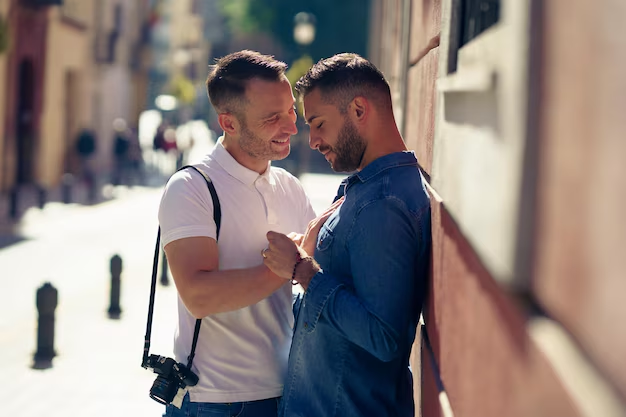
How LGBTQ+ Friendly Is Atlanta? A Local Guide for Residents and Visitors
Atlanta has a strong reputation as one of the most LGBTQ+ friendly cities in the South, and many people come here specifically for its inclusive culture, thriving queer nightlife, and active advocacy community. Still, LGBTQ+ friendliness can look different depending on where you are in the metro area, what you’re doing, and what kind of support you need.
This guide focuses on what LGBTQ+ life is really like in Atlanta, Georgia—for people who live here, are planning a visit, or are considering a move.
Atlanta’s Overall LGBTQ+ Climate
Atlanta is often described as a “blue city in a red state.” That shows up in a few ways:
- City culture: Many neighborhoods are openly welcoming to LGBTQ+ residents and visitors, with visible pride flags, inclusive businesses, and community events.
- Local government: Atlanta’s city leadership has generally supported LGBTQ+ protections and visibility, including pride events and nondiscrimination policies in city employment.
- State context: Georgia does not have the same broad statewide LGBTQ+ protections that some other states do, so your experience can change once you get outside the city or into certain parts of the metro area.
For most day‑to‑day situations in central Atlanta—living, working, dining, and going out—many LGBTQ+ people report feeling relatively safe and accepted, especially in more urban, intown neighborhoods.
LGBTQ+ Friendly Neighborhoods in Atlanta
Some parts of Atlanta are especially known for having strong LGBTQ+ communities and resources.
Midtown (Including the “Gayborhood” Around Piedmont Park)
Midtown is often considered the heart of LGBTQ+ Atlanta, especially around:
- Piedmont Park
- 10th Street and Piedmont Avenue
- Sections of Peachtree Street and Juniper Street
What to expect:
- Numerous LGBTQ+ bars and clubs
- Pride flags in business windows
- Walkable streets, popular with young professionals and creatives
- Easy access to Atlanta Pride events in and around the park
If you’re visiting and want to stay in a very visibly queer‑friendly area, Midtown is one of the safest bets.
Cheshire Bridge, Ansley Park, and Morningside Areas
Just northeast of Midtown, streets around Cheshire Bridge Road and the Ansley/Morningside corridor have long been connected with LGBTQ+ nightlife and community.
You’ll find:
- LGBTQ+ friendly bars and lounges
- Adult entertainment venues that are generally welcoming to diverse communities
- A mix of apartments, condos, and older homes that attract many LGBTQ+ residents
East Atlanta Village, Grant Park, and Reynoldstown
On the east side, neighborhoods like East Atlanta Village (EAV), Grant Park, Ormewood Park, and Reynoldstown are known for being:
- Socially progressive and artsy
- Home to many queer and trans residents
- Hosts to inclusive bars, cafes, and events
These areas may feel a bit more low‑key than Midtown but still generally LGBTQ+ affirming and community‑minded.
Decatur and Surrounding Intown Suburbs
Decatur, just east of the city, is known for:
- A strong progressive reputation
- LGBTQ+ inclusive schools and local organizations
- Walkable downtown square with friendly restaurants and shops
Many LGBTQ+ families and professionals choose Decatur and nearby intown suburbs for a community-focused, slower‑paced feel with relatively strong acceptance.
LGBTQ+ Events and Pride Celebrations in Atlanta
Atlanta is home to some of the largest and most visible LGBTQ+ events in the region.
Atlanta Pride Festival and Parade
Held annually in October, Atlanta Pride is one of the largest Pride celebrations in the Southeast. Events typically center around:
- Piedmont Park
- A large parade along Peachtree Street and Midtown
- Concerts, vendor booths, educational panels, and family‑friendly activities
The festival is widely attended by locals, visitors, families, allies, and advocacy groups.
Other Notable LGBTQ+ Events
While dates and details shift from year to year, you’ll often see:
- Trans and nonbinary-focused events and visibility days
- Black LGBTQ+ gatherings and nightlife events
- Queer arts, film, and literary events across the city
- Regular drag shows and brunches in Midtown, East Atlanta, and other neighborhoods
Checking local venue calendars, community centers, and social media groups is a good way to see what’s happening during your stay or if you’re new to the city.
Nightlife, Social Spaces, and Community
Atlanta has a vibrant LGBTQ+ nightlife scene that draws people from across the region.
LGBTQ+ Bars and Clubs
Most LGBTQ+ bars and clubs cluster in or near:
- Midtown
- Cheshire Bridge/Ansley area
- Parts of Downtown and East Atlanta Village
You can find:
- Dance clubs focused on pop, hip‑hop, house, or mixed playlists
- Neighborhood bars with pool, karaoke, and drag shows
- Lounges and more relaxed spaces welcoming to queer and trans patrons
Experiences range from high‑energy nightlife to casual hangouts, with many venues clearly signaling LGBTQ+ inclusion.
Daytime and Sober‑Friendly Spaces
If nightlife isn’t your focus, there are still many inclusive spots around Atlanta:
- Coffee shops and cafes with LGBTQ+ meetups
- Bookstores, art galleries, and community spaces that host queer readings and exhibitions
- Parks and BeltLine trails where queer and trans residents regularly gather informally
Online community groups are a common way people in Atlanta connect for game nights, hiking, faith communities, family playgroups, and dating in LGBTQ+ centered spaces.
Safety, Comfort, and Local Realities
Atlanta is often described as relatively safe and affirming for LGBTQ+ people compared with many other Southern cities, but experiences can vary.
Where People Tend to Feel Most Comfortable
LGBTQ+ people often report feeling particularly at ease in:
- Midtown, Eastside intown neighborhoods, and Decatur
- Spaces with visible Pride flags, inclusive signage, and diverse crowds
- Events and venues that are openly LGBTQ+ owned or advertised as queer‑friendly
Public displays of affection between same‑gender couples are commonly seen in central areas like Midtown and around the BeltLine, with relatively little pushback in many settings.
Things to Keep in Mind
- Outside intown Atlanta: Some outer suburbs and rural areas around the metro may feel more conservative, especially regarding gender expression and same‑sex couples.
- Late‑night safety: As in any large city, it’s wise to use standard safety practices at night—stay aware of your surroundings, travel with friends when possible, and plan transportation ahead.
- Trans and gender‑nonconforming visibility: Many trans and nonbinary residents live and thrive in Atlanta, especially in creative and activist spaces. At the same time, they may encounter more scrutiny or bias in certain workplaces, government processes, or when traveling outside central neighborhoods.
Overall, many LGBTQ+ Atlantans manage daily life—work, school, errands, dating, family activities—openly and relatively comfortably, especially in the more urban parts of the city.
Protections, Rights, and Local Policies
Because Atlanta is in a state with mixed protections for LGBTQ+ people, it’s helpful to understand what is more city‑based versus statewide.
Local Nondiscrimination Efforts
Within the City of Atlanta, there are policies intended to protect LGBTQ+ residents and workers in areas such as:
- City employment
- Some public services and contracts
- Equal access to many city programs and facilities
In addition, several local governments in the metro area have passed their own nondiscrimination ordinances to protect residents based on sexual orientation and gender identity in areas like housing, employment, and public accommodations.
However, protections are not identical everywhere in the metro, so exact experiences can vary depending on jurisdiction.
State-Level Context
Georgia does not currently have broad statewide laws explicitly protecting LGBTQ+ people from discrimination in all situations. This means:
- Experiences in workplaces and housing can differ depending on the employer, property owner, or local ordinances.
- Some legal issues affecting LGBTQ+ people may be handled differently than in states with more comprehensive protections.
Many Atlanta‑based organizations can help you navigate these questions if you encounter discrimination or need legal guidance.
LGBTQ+ Health, Support, and Community Organizations
Atlanta has multiple established resources that focus on serving LGBTQ+ residents and visitors.
Here are some widely recognized organizations and what they generally offer:
| Resource | Focus | Examples of Support |
|---|---|---|
| LGBTQ+ Community Centers | Community, support, and programming | Support groups, youth programming, social events, referrals |
| Health and Wellness Organizations | Physical and mental health with LGBTQ+ focus | Primary care, sexual health services, counseling referrals |
| Legal and Advocacy Groups | Rights, discrimination, and policy | Legal guidance, know‑your‑rights info, advocacy campaigns |
| Youth & Family Programs | Support for LGBTQ+ youth and families | Safe spaces, mentoring, family support, school guidance |
When searching for help, look for:
- Organizations described as LGBTQ+ affirming, trans‑inclusive, and queer‑centered
- Offices located in central areas like Midtown, Downtown, or Decatur, which often host multiple support programs and events
If you’re new to the city, community centers and advocacy groups are often the best starting point to find affirming healthcare, mental health providers, and legal and housing resources.
Atlanta for LGBTQ+ Families
Many LGBTQ+ families call Atlanta home, including:
- Same‑gender couples raising children
- Blended families
- Single LGBTQ+ parents
- Trans and nonbinary parents
Common experiences include:
- Public schools in intown areas and Decatur that are increasingly accustomed to diverse family structures.
- Faith communities and social groups that actively welcome LGBTQ+ families.
- Parks, museums, and kid‑focused venues where same‑gender and queer‑led families are regularly present and largely accepted.
Policies and culture can differ from school district to school district, so some families choose neighborhoods partly based on school climate and perceived LGBTQ+ inclusion.
Practical Tips for LGBTQ+ Visitors and New Residents
If you’re exploring Atlanta as an LGBTQ+ person, these steps can make your experience smoother and more affirming:
1. Choose Where You Stay Thoughtfully
🏳️🌈 For maximum comfort and access to LGBTQ+ spaces, consider lodging in or near:
- Midtown
- Downtown
- Eastside intown neighborhoods
- Decatur
This makes it easier to walk or ride transit to queer‑friendly restaurants, events, and nightlife.
2. Use Community Hubs to Get Oriented
When you first arrive or if you’re newly out in Atlanta:
- Look up local LGBTQ+ community centers for drop‑in hours, support groups, and events.
- Check queer‑focused social media groups and event listings for meetups, mixers, and volunteer opportunities.
These are common places locals use to meet friends, find roommates, and learn about safe spaces.
3. Be Mindful When Traveling Outside Intown Areas
If you’re venturing into more suburban or rural parts of Georgia:
- Expect cultural norms to be more conservative in some places.
- Dress and express yourself however feels right to you, while staying aware of local cues and comfort levels, especially if you’re trans or gender‑nonconforming.
- Plan transportation and lodging in advance when attending rural or exurban events.
Many LGBTQ+ Atlantans move comfortably across the state, but they often adjust how open or visible they are depending on where they are going.
4. Know Where to Turn if You Need Help
If you experience discrimination, harassment, or feel unsafe:
- Contact local law enforcement if you’re in immediate danger.
- Reach out to Atlanta‑based advocacy and legal support organizations that handle LGBTQ+ issues if you need follow‑up help.
- For emotional support, look for crisis hotlines and mental health services that explicitly state they are LGBTQ+ friendly.
Having these numbers and names saved before you need them can reduce stress.
So, Is Atlanta LGBTQ+ Friendly?
For many people, the answer is yes—very much so, especially compared with much of the surrounding region.
- Day‑to‑day life in intown Atlanta is often openly queer‑affirming.
- There is a large, visible LGBTQ+ community, robust nightlife, strong advocacy groups, and statewide‑significant Pride events.
- At the same time, state laws and attitudes vary, and experiences can differ once you’re outside the more urban and progressive parts of the metro.
If you live in Atlanta, are planning a visit, or are considering a move, you’ll likely find supportive neighborhoods, active community spaces, and many LGBTQ+ people living openly—especially in Midtown, the eastside intown neighborhoods, and Decatur.