
Is It Flooding in Atlanta? How to Check, What to Expect, and Where to Get Help
Flooding in Atlanta can develop quickly, especially during heavy rain and thunderstorms. If you’re wondering “Is it flooding in Atlanta right now?”, the safest approach is to check real-time information first, then understand your local risks and what to do next.
Below is a clear, Atlanta-focused guide to:
- How to check current flooding and road closures
- Where flooding usually happens in Atlanta
- Who to contact for emergencies and non-emergencies
- Practical tips for drivers, homeowners, and visitors
How to Check If It’s Flooding in Atlanta Right Now
Because conditions change hour by hour, no article can tell you what’s happening this minute. However, you can quickly find out:
1. Check Weather and Flood Alerts
Look for official alerts such as:
- Flood Watch – Conditions are favorable for flooding.
- Flood Warning – Flooding is happening or soon expected.
- Flash Flood Warning – Sudden, dangerous flooding is happening or imminent, often within minutes to hours.
These alerts are commonly issued for Fulton County and surrounding metro counties. When you see a Flash Flood Warning for your area, treat it seriously and avoid driving through low-lying roads, creeks, or underpasses.
2. Look Up Atlanta Road Closures and Traffic
Flooding in Atlanta often shows up first as road closures and traffic problems. To see if it’s flooding where you are:
- Check live traffic maps or navigation apps for:
- Road closures
- “Flooding” or “Impassable” notes
- Major slowdowns near creeks and interstates
- Listen to local radio or TV for breaking updates on:
- Closed interstates
- Blocked exits
- Police or Georgia Department of Transportation (GDOT) advisories
GDOT’s state operations are managed from:
- Georgia Department of Transportation – State Office
600 W. Peachtree St. NW
Atlanta, GA 30308
Phone: (404) 631-1990 (main switchboard)
For immediate police-managed closures in the City of Atlanta, you can contact:
- Atlanta Police Department – Non-Emergency Line: (404) 658-6666
- Call 911 only for emergencies (crashes, trapped vehicles, life safety concerns).
Common Flood-Prone Areas in Atlanta
Atlanta’s mix of hills, creeks, and heavy development makes certain spots more likely to flood during intense rain. While flooding can occur almost anywhere, residents often report issues in or near:
- Low-lying underpasses and viaducts, especially:
- Under I-75/85 in Downtown and Midtown
- Underpasses along major rail lines
- Areas along creeks and streams, such as:
- Proctor Creek (Northwest Atlanta)
- Peachtree Creek and its branches (Buckhead, Midtown, and surrounding)
- South River and tributaries (South and Southeast Atlanta)
- Older neighborhoods with limited drainage, including:
- Parts of Southwest and Southeast Atlanta
- Some older commercial corridors and industrial areas
If you live, work, or stay near a creek, in a valley, or at the bottom of a hill, you may face a higher risk of street, yard, or basement flooding during prolonged or heavy downpours.
Quick Reference: Is It Likely Flooding Where I Am?
Use this simple guide to understand local risk when storms hit.
| Situation in Atlanta | Flood Risk Level | What You Should Do |
|---|---|---|
| Light to moderate rain, no alerts issued | Low | Stay aware, but normal activities are usually fine. |
| Heavy rain for 1+ hours, especially over creeks | Moderate | Avoid low underpasses, monitor traffic and drainage around your home. |
| Flood Watch in effect | Elevated | Plan alternate routes, check your area’s history of flooding, stay tuned to news. |
| Flood Warning or Flash Flood Warning for your location | High | Avoid driving through water, move to higher ground if needed, follow instructions. |
| Street/yard already flooding or water near your home/apt. | Very High | Do not walk or drive through water, consider relocating to higher floors/areas. |
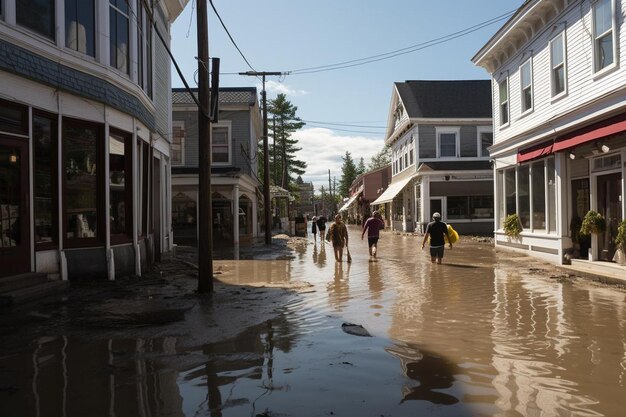
What Flooding Looks Like in Atlanta
When it is flooding in Atlanta, you may see:
- Water-covered roads, especially near:
- I-20, I-75/85 junctions
- Surface streets that dip down under rail lines or expressways
- Overflowing creeks and streams, causing:
- Flooded greenways or paths
- Water encroaching on backyards and parking lots
- Backed-up storm drains, leading to:
- Large puddles at intersections
- Water standing around curbs and sidewalks
Even a few inches of water on a road can hide potholes, open manholes, or debris. Fast-moving water can be much deeper than it appears.
Safety Tips If It’s Flooding in Atlanta
If You Are Driving
Flood-related traffic problems are common around Atlanta. To stay safer:
- Never drive through flooded roads.
Water can:- Stall your engine
- Sweep your car off the road
- Hide washouts or missing pavement
- Turn around, don’t risk it.
If you see water across the road, especially at night, turn back and find another route. - Avoid low-lying underpasses, particularly in:
- Downtown
- Midtown
- Areas near major creeks
- Use major, elevated routes when possible, such as:
- Interstates and main arterial roads that stay above creek level
If your vehicle stalls in rising water and you can safely exit to higher ground, do so quickly and call 911.
If You Are at Home or in an Apartment
- Monitor low areas: basements, first-floor units, garages, and parking lots.
- Move valuables and important documents to higher shelves or levels.
- Keep a simple “go bag” with essentials if you need to leave quickly:
- IDs, keys, phone chargers
- Basic clothing and personal essentials
- Avoid walking through floodwater; it can contain debris, sharp objects, or contaminants and may hide open drains or deep spots.
For non-emergency flooding issues inside the City of Atlanta (like clogged street drains or minor street flooding), you can contact:
- City of Atlanta Department of Watershed Management – Customer Service
Phone: (404) 546-0311
Who Handles Flooding Issues in Atlanta?
Several public agencies play a role when it’s flooding in Atlanta:
City of Atlanta – Watershed Management
Handles stormwater systems, drainage, and sewer-related issues within city limits.
- Department of Watershed Management
72 Marietta St. NW
Atlanta, GA 30303
Customer Service: (404) 546-0311
You can report:
- Clogged storm drains
- Minor street flooding
- Suspected sewer backups or overflows
City of Atlanta – Emergency Services
- Emergency (life-threatening / trapped / major collision): 911
- Non-Emergency (blocked roads, non-urgent hazards):
Atlanta Police Department Non-Emergency – (404) 658-6666
Fulton County Government
For county-level information related to unincorporated areas and broader emergency management, contact:
- Fulton County Government Center
141 Pryor St. SW
Atlanta, GA 30303
Main Information: (404) 612-4000
Georgia Emergency Management and Homeland Security Agency (GEMA/HS)
Coordinates state-level emergency management, including significant flood events affecting the Atlanta region.
- GEMA/HS Headquarters (Metro Atlanta)
935 E. Confederate Ave. SE
Atlanta, GA 30316
Main Phone: (404) 635-7000
If You’re Visiting Atlanta During Heavy Rain
Travelers and visitors may not recognize flood-prone streets or underpasses, so it’s important to:
- Rely on navigation apps with live traffic, and heed any “road closed” or “flooding” warnings.
- Ask hotel staff, hosts, or local contacts if there are routes you should avoid in heavy rain.
- If walking around Downtown, Midtown, or near stadiums and arenas, watch out for:
- Deep curbside puddles
- Quickly rising water near underpasses or low walkways
If severe storms are forecast, consider indoor activities and transit options instead of driving unfamiliar back streets.
Flood Risk for Atlanta Homeowners and Renters
Even if it’s not flooding today, Atlanta residents often want to know how flood risk might affect their property or rental.
Key points:
- Some parts of Atlanta sit in or near designated floodplains, especially close to creeks and rivers.
- Basements and first-floor units are more likely to see:
- Water intrusion during intense storms
- Dampness or pooling in low spots around the building
- Flooding can occur outside of mapped flood zones when storms are intense or drainage is blocked.
If you’re concerned about ongoing flood risk:
- Ask your property manager or landlord about past flooding in the building or complex.
- Consider discussing drainage, grading, and gutter maintenance with your homeowners association or property owner.
- For official mapping and high-level floodplain questions, you can contact county or city planning/watershed departments.
What To Do Right Now If You Suspect Flooding in Atlanta
If you think it might be flooding or about to flood where you are in Atlanta:
- Check real-time weather alerts for your neighborhood or ZIP code.
- Look at live traffic/road closure information before driving anywhere.
- Avoid low areas, creeks, and underpasses, especially when rain is heavy or visibility is poor.
- Call 911 if you or someone else is in immediate danger or trapped by water.
- Use Atlanta Watershed Management (404-546-0311) or the Atlanta Police non-emergency line (404-658-6666) for non-life-threatening, but urgent local flooding concerns.
Flooding in Atlanta can escalate quickly, but with current information, cautious driving, and awareness of local flood-prone spots, you can better protect yourself, your family, and your property.